Rolls-Royce Holds First-Ever India Board Meeting, Reports 46% Profit Rise as Engine Demand Outstrips Aircraft Supply
Why It MattersWidebody engine demand is being sustained less by new aircraft orders than by airframer delivery delays, which keep older Trent-powered jets flying and engine shops busy longer than usual.
What happened
Rolls-Royce Holdings convened its global board in India for the first time in the company's history this week, conducting a three-day visit to New Delhi to strengthen ties with Prime Minister Narendra Modi's government across defence, civil aviation and energy. Chief executive Tufan Erginbilgiç led the delegation.
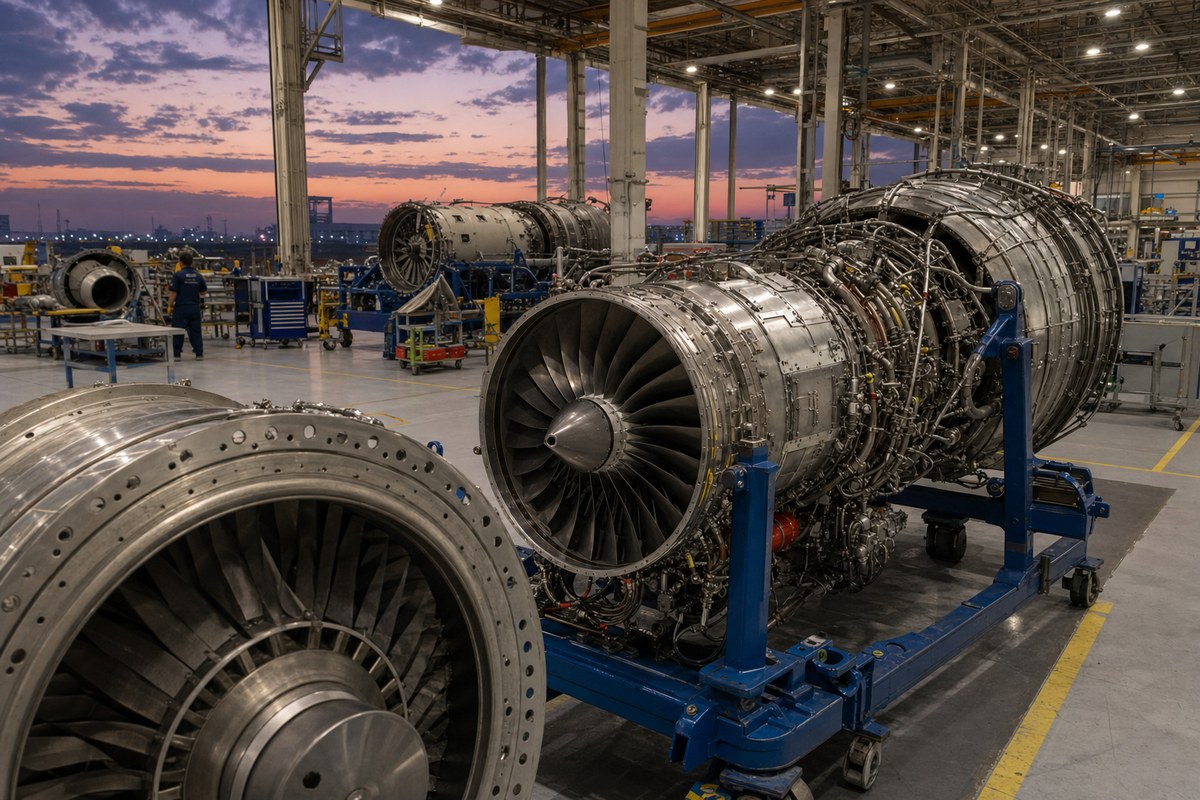
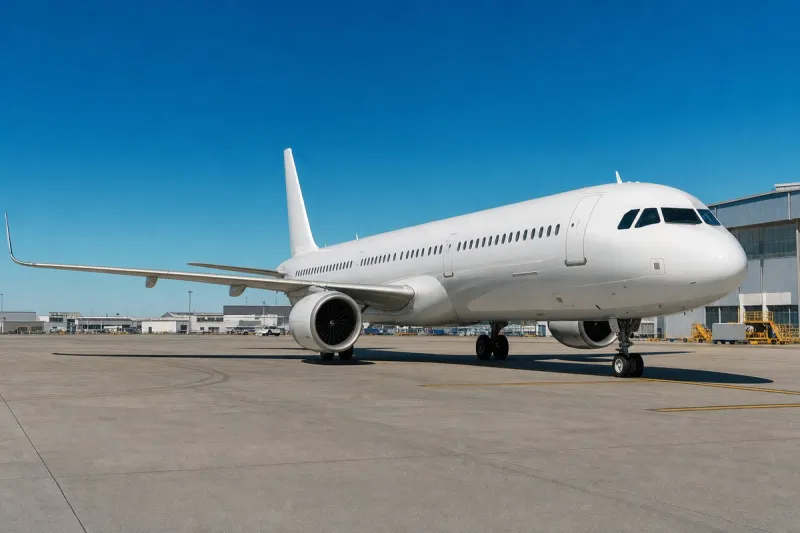
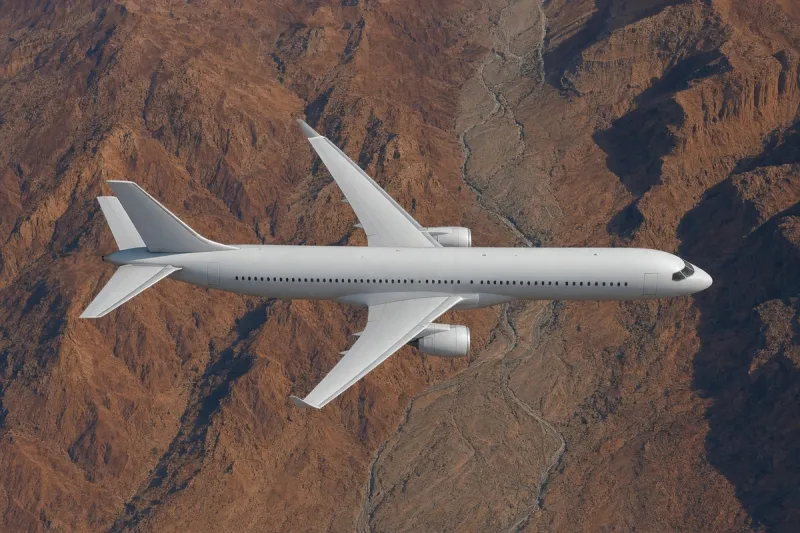
On the defence side, Rolls-Royce and Indian authorities are planning a full gas turbine site covering the entire engine lifecycle. India's defence ministry has earmarked 5,000 crore rupees to foster homegrown aero-engine technology, with local manufacturing intended to secure decades of maintenance and development work in the Indian defence market. On the civil side, a survey of more than 30 maintenance providers by RBC Capital Markets found engine-segment revenue growth of 12.4%, with analysts flagging continued positive prospects for widebody aircraft through 2027. Retirements of aircraft powered by Trent-series engines came in at close to zero. RBC attributes heavy fleet utilisation largely to delivery bottlenecks at airframers and forecasts a shortfall of roughly 600 widebody passenger aircraft worldwide by 2030, citing delays to Boeing's 777X and slow production ramp-ups of the Airbus A350 and Boeing 787.
That trend was reflected in first-half 2026 results: adjusted operating profit climbed 46% to GBP 2.5 billion, with pre-tax profit reaching GBP 2.49 billion. Civil aerospace generates about half of group revenue. Among recent operational milestones, Rolls-Royce said on 1 October it had become the first high-speed engine manufacturer to grant a licence for local production in Saudi Arabia, and on 29 September the new Airbus A350F freighter completed its maiden flight powered by Rolls-Royce engines. The company also unveiled a GBP 300 million investment package in UK production and development sites aimed at aviation and defence, and Rolls-Royce SMR awarded a contract to ŠKODA JS to develop and manufacture control rod drive mechanisms. Rolls-Royce shares fell 3.3% to EUR 16.23 on Thursday amid broad FTSE 100 weakness and profit-taking, though the stock remains up 24% year to date.
Engines outlast airframes
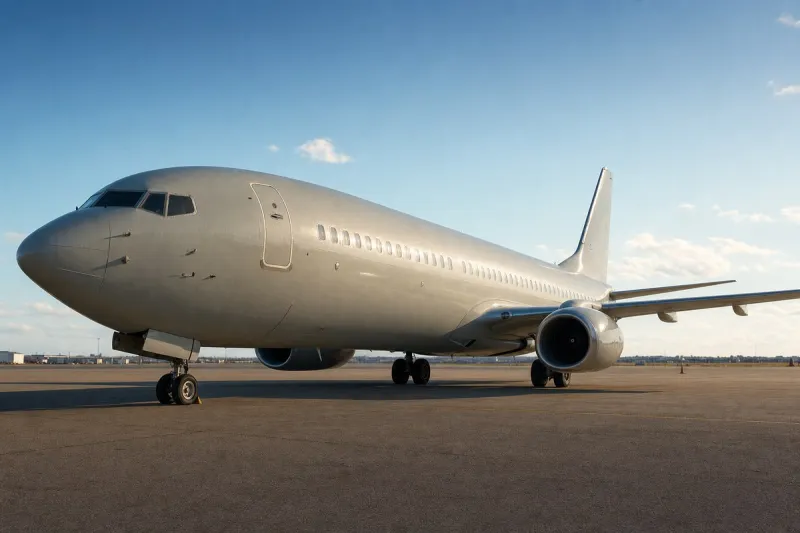
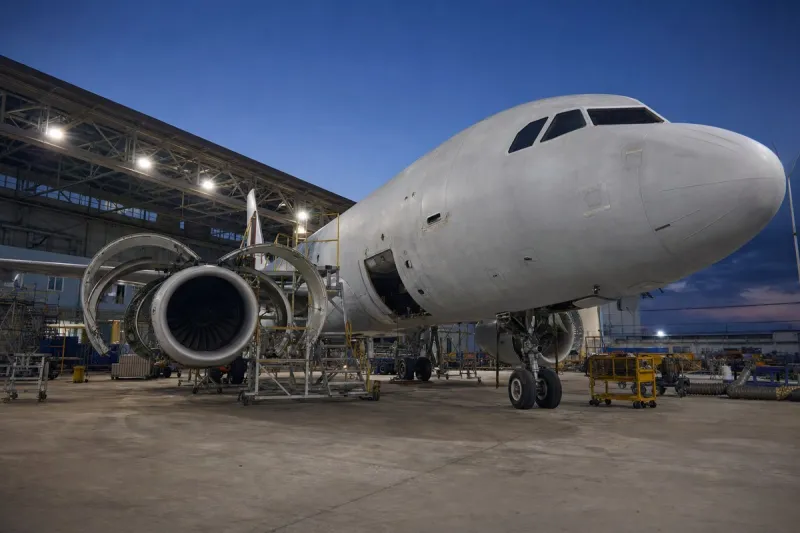
The near-zero retirement rate for Trent-powered aircraft is the clearest sign of what RBC's survey describes: airlines are not choosing to keep older widebodies flying, they are being forced to, because new deliveries aren't arriving on schedule. Delays to the 777X and slower ramp-ups on the A350 and 787 mean replacement capacity isn't showing up when planned, so existing airframes log more hours and their engines need more shop visits.
That dynamic feeds directly into engine-maker economics. Revenue in the engine maintenance segment grew 12.4% across the more than 30 providers RBC surveyed, and the firm's projected shortfall of roughly 600 widebody aircraft by 2030 implies the pattern has years left to run rather than months.
Industry impact & what to watch
This is a case of aftermarket demand decoupling from new-aircraft demand: when airframers can't deliver, operators don't ground their fleets, they keep flying what they have, and that pushes engine shop visits and spare-parts revenue higher even as orderbooks for new jets sit unfulfilled. For an engine manufacturer with a large installed base of in-service Trent engines, that shift shows up directly in results, as the 46% jump in first-half adjusted operating profit illustrates.
The India visit signals where Rolls-Royce expects the next leg of growth to come from — a defence and energy market the government is actively subsidizing with earmarked funding, alongside a civil aviation base that keeps consuming spare parts and MRO hours regardless of OEM delivery schedules. The nuclear SMR contract with ŠKODA JS and the Saudi licensing deal point to the same strategy applied outside aviation: capture lifecycle revenue through long-term local manufacturing and servicing relationships rather than one-off equipment sales.
What happens to the roughly 600-aircraft widebody shortfall RBC projects through 2030 will determine how long this tailwind lasts for engine makers. If Boeing and Airbus close the delivery gap faster than expected, Trent-series retirements would pick up and aftermarket growth would normalize; until then, the shortfall itself is the thing keeping engine demand ahead of aircraft supply.