Gogo Signs $15M-Plus GEO Satellite Connectivity Lease with Government Customer
Why It MattersGovernment and military demand for resilient GEO connectivity is becoming a steadier growth driver for satellite-communications providers even as broader equipment sales soften.
What happened
Gogo has signed a communications lease worth more than $15 million to provide geostationary (GEO) satellite connectivity to a government customer. The company said the GEO solution ensures global connectivity even in areas where low Earth orbit (LEO) satellite services are restricted, including Russia, China and India.

"This renewal reflects the confidence built through years of reliable performance and responsive support," said Chris Moore, CEO of Gogo. "The connectivity gives this customer a proven high performance GEO solution, backed by people who understand the demands of sovereign customers and are available around the clock."
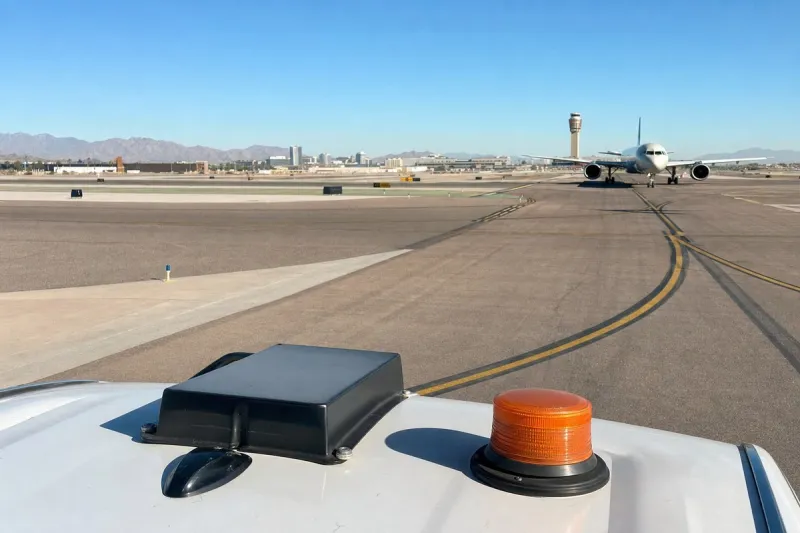
Gogo said its global support team monitors and assists customers in multiple languages 24 hours a day, 365 days a year, and can dispatch a technician to the tarmac within 24 hours if required. The company also said it provides continuous network monitoring, advanced protections, and specialised cybersecurity training for operators and flight departments.
In August, Gogo reported second-quarter 2026 total revenue of $222.8 million, down 1% year-over-year and 2% sequentially. Service revenue was $191.3 million, up 2% sequentially, driven by the company's military and government business, which posted service revenue of $39.9 million, up 40% year-over-year and 20% sequentially. Equipment revenue fell to $31.5 million, down 18% sequentially after a strong first quarter.
Industry impact & what to watch
Sovereign and government customers value GEO connectivity precisely because it works where LEO coverage is politically or technically restricted, giving providers a defensible niche distinct from the consumer and commercial aviation connectivity race. For Gogo, this lease arrives alongside a military and government service line that grew 40% year-over-year even as total company revenue slipped 1% and equipment revenue fell 18% sequentially, showing the segment's resilience against softer hardware demand.
The pattern reflects how connectivity providers increasingly separate their government book from commercial equipment cycles: government contracts tend to be multi-year leases tied to support commitments like round-the-clock, multilingual monitoring and rapid tarmac dispatch, rather than one-off hardware sales. That gives the government segment steadier, less cyclical revenue even when broader equipment orders soften.
What happens to Gogo's equipment revenue in the next quarterly report, and whether the military and government service line keeps growing at a similar pace, will indicate whether this lease is part of a durable shift in the company's revenue mix or a single large renewal.