Acron Aviation Targets SAARC Expansion with Bangalore MRO Center, ADS-B and TCAS Systems
Why It MattersRegional MRO expansion in SAARC markets increasingly hinges on stacking multiple regulatory approvals and local manufacturing ties to serve operators flying across different regimes.
What happened
Ron Nye, President of Avionics at Acron Aviation, outlined the company's strategic priorities for the SAARC region, centring on a full-service avionics MRO centre in Bangalore, India, expansion of NextGen ADS-B surveillance, and development of local sustainment partnerships.
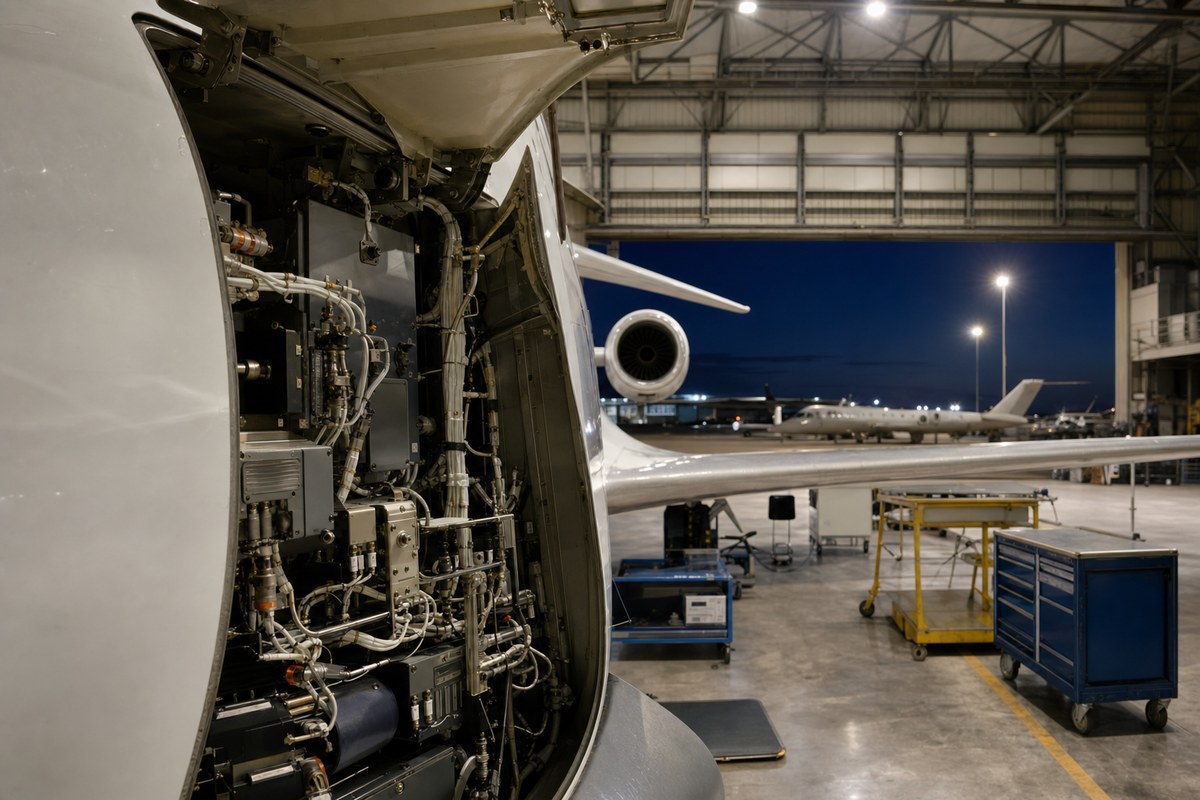
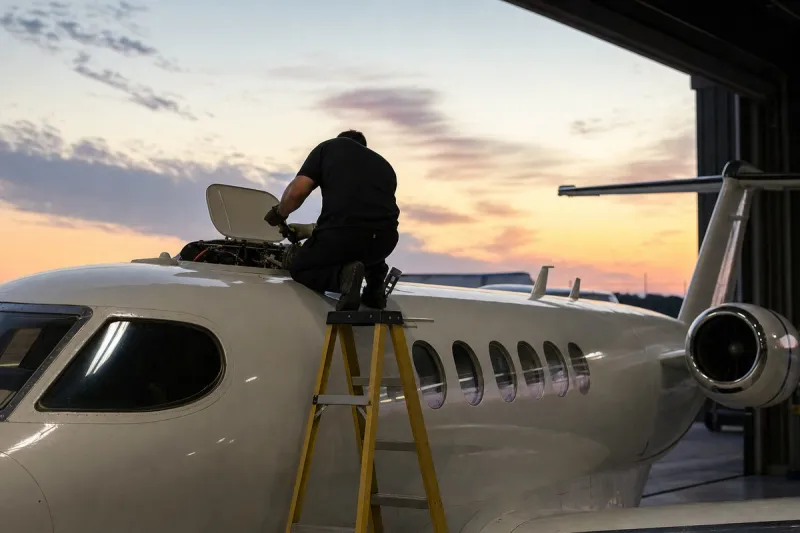
The Bangalore facility began operations with flight recorder repair and is planned to expand over the next three years to cover TCAS and display systems. Acron Aviation is pursuing DGCA CAR 145 certification for the site, with FAA, EASA, and CAAC approvals also planned to support operators flying across multiple regulatory regimes. Nye said the facility was designed to shorten turnaround times and reduce logistics costs for operators across South Asia. The company's Lynx ADS-B In/Out systems and SafeRoute+ surveillance platform are built to ICAO standards and regional mandates driving ADS-B adoption, and its TCAS systems are developed through ACSS, a long-running joint venture with Thales covering surveillance and collision-avoidance systems.
Nye said Acron Aviation is actively evaluating local manufacturing and assembly options for parts of its avionics platform under India's 'Make in India' framework and defence offset obligations, with conversations with potential Indian partners described as ongoing; no joint venture was announced. The company's flight and cockpit voice recorders are designed to meet ED-112 crash-survivability requirements, and Nye cited Acron Aviation's agreement with Deutsche Aircraft to supply flight recorder and standby systems for the D328eco programme as an example of its approach to early airframer partnerships. Nye also said Acron Aviation intends to expand field support, engineering resources, and spares availability across the Asia-Pacific region, with the goal of delivering uniform turnaround and quality standards whether aircraft are serviced in Bangalore, London, or the United States.
Industry impact & what to watch
This case illustrates a familiar pattern in avionics MRO: building out regional capability in stages, starting with a narrow repair scope and layering on more complex work as certifications accumulate. Multi-regime approval across DGCA, FAA, EASA, and CAAC is the mechanism that lets a single facility serve operators whose aircraft are registered under different authorities, so the pace of those certifications, not the physical buildout, sets how quickly the Bangalore site can take on wider scope.
Local manufacturing under frameworks like 'Make in India' typically moves slowly from evaluation to commitment, since defence offset obligations and component-level sourcing decisions involve negotiation well beyond a single supplier's timeline. The absence of an announced joint venture here reflects that stage rather than a lack of intent.
What remains to be seen is whether the DGCA CAR 145 certification lands within the stated three-year window, and whether the Deutsche Aircraft D328eco relationship becomes a template Acron Aviation can point to when courting other airframers evaluating early-stage avionics partnerships.