FAA Reaches Decade-High 11,027 Certified Controllers but Remains 1,500 Short of Revised Target
Why It MattersEven record hiring years leave controller staffing structurally lagging, because retirements and years-long training pipelines mean headcount gains arrive slower than operational demand requires.
What happened
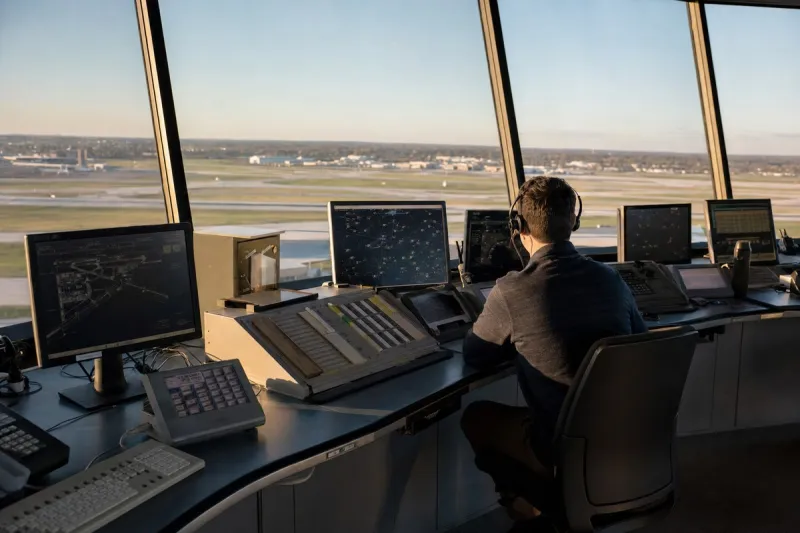
The Federal Aviation Administration closed fiscal year 2026 with 11,027 certified air traffic controllers on duty, the highest certified staffing level in ten years. The agency hired 2,235 trainees during the year, surpassing its previous all-time hiring record and meeting its annual goal.
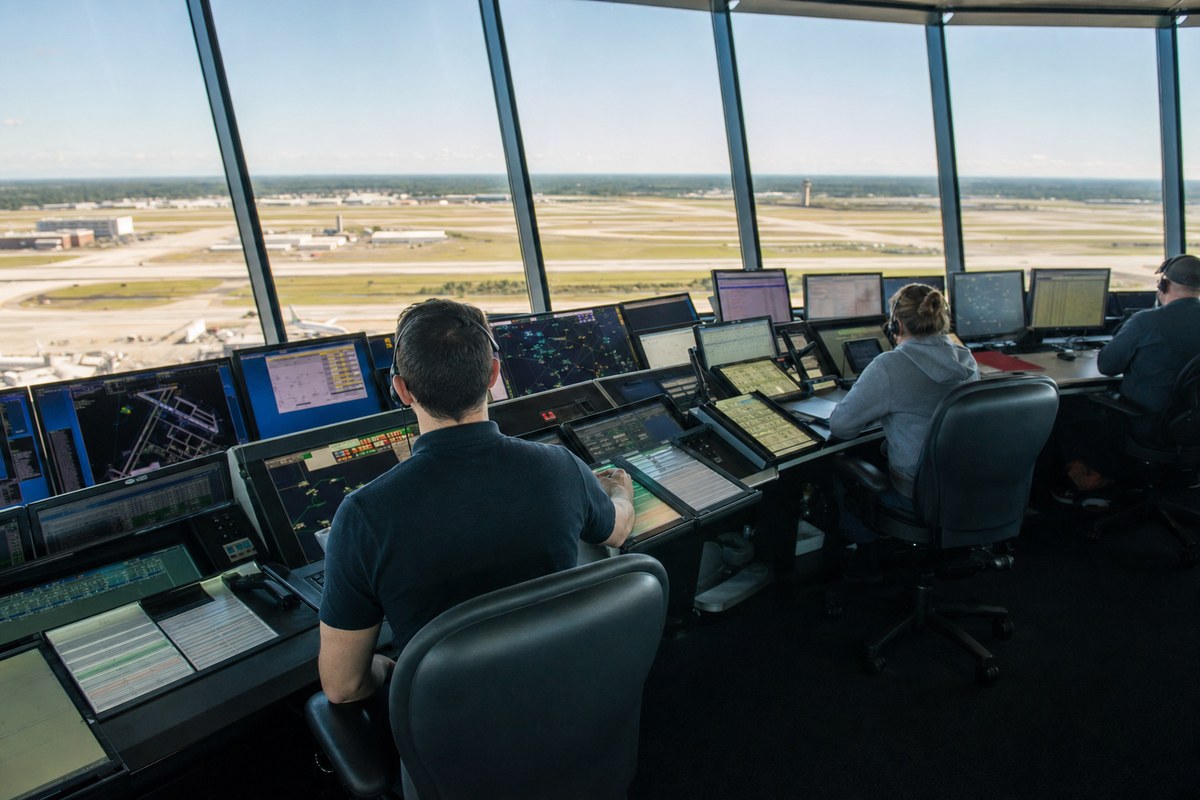
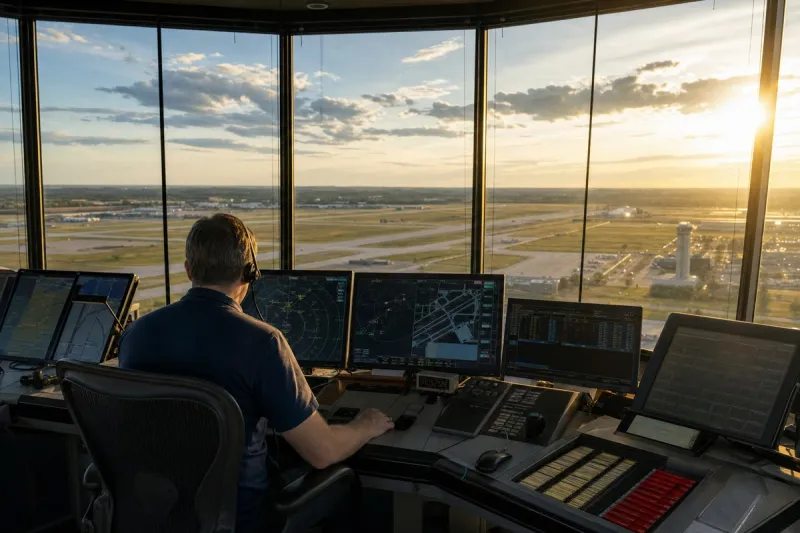
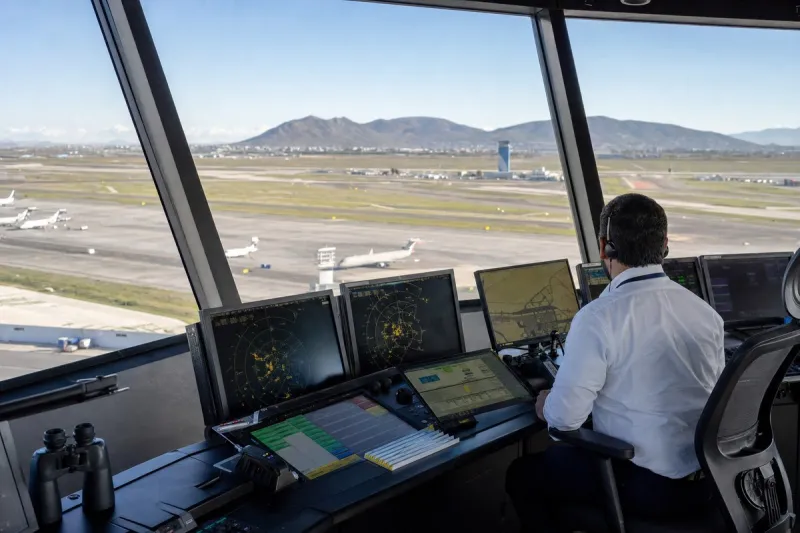
Despite the milestone, the FAA remains approximately 1,500 controllers short of its full staffing target. The agency recently revised that target downward to 12,563 certified controllers from a prior estimate of 14,633. For working controllers, the shortage continues to translate into mandatory overtime and compressed rest periods.
FAA Administrator Bryan Bedford said, "Meeting this year's hiring goal is an important milestone, but it's not the finish line." Bedford had previously told Congress that the prior staffing model was designed to be "chronically understaffed." The Trump administration raised starting pay for academy trainees and eliminated steps in the application process that the Transportation Department said had been adding months to timelines. A recruitment campaign aimed at gamers generated more than 12,000 applications and resulted in hiring more than 2,000 people. The FAA has set targets of 2,300 new trainees in fiscal year 2027 and 2,400 in fiscal year 2028.
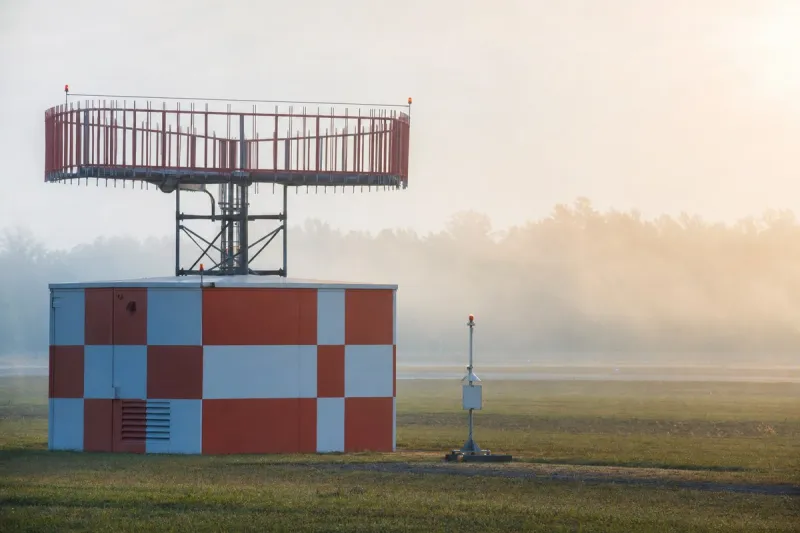
Training at the FAA Academy in Oklahoma City takes several months, followed by on-the-job training that can run for years depending on the complexity of the assigned airspace, and new hires cannot be placed directly into high-density facilities. Transportation Secretary Sean Duffy has asked Congress for funding to replace deteriorating radio systems, ATC facilities, and copper wiring with fiber optics. The agency is also testing an AI-based scheduling tool called Strategic Management of Airspace, Routing and Trajectories (SMART) in the Washington region, designed to analyze airline schedules, weather, and other disruptions to flag potential conflicts and suggest alternate routing.
Industry impact & what to watch
This is a case of a staffing gap closing on paper faster than it closes in the tower. Lowering the certified-controller target from 14,633 to 12,563 shrinks the headline shortfall even though the actual number of controllers on position has not changed by that amount, and the overtime and rest-period pressure described for current staff shows the operational gap has not closed at the pace the revised target suggests.
Control-tower staffing works on a multi-year lag that hiring numbers alone cannot shortcut: academy training runs months, facility-specific on-the-job training runs years, and high-density airspace cannot absorb new hires directly. That means even a record hiring year like this one adds to the pipeline well before it adds to certified headcount at the busiest facilities, while retirements keep drawing down the experienced base the agency has to replace just to hold steady.
What happens at fiscal year 2027 and 2028, when the agency has targeted 2,300 and 2,400 new trainees respectively, will show whether the current hiring pace can outrun attrition rather than merely match it. Dan Bubb's caution about workload on active controllers and about sequencing new systems like SMART points to the parallel question: whether technology deployment proceeds ahead of, or in step with, the staffing recovery.