Private Jets vs. Airliners: How the Gulfstream G650's Lower Weight Enables Superior Climb Performance Over the Boeing 737 MAX 8
Why It MattersWeight-driven climb and altitude advantages let business jets routinely fly above much tropospheric weather, a structural operating edge airliners optimized for payload cannot match.
What happened
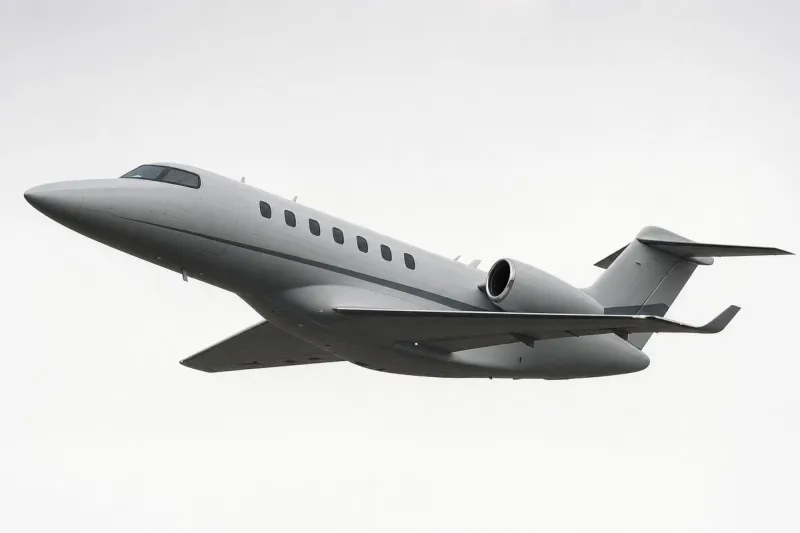
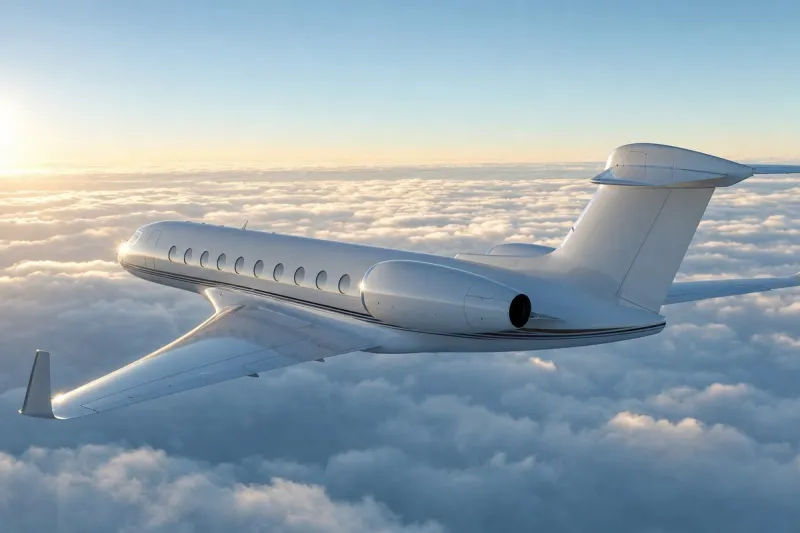
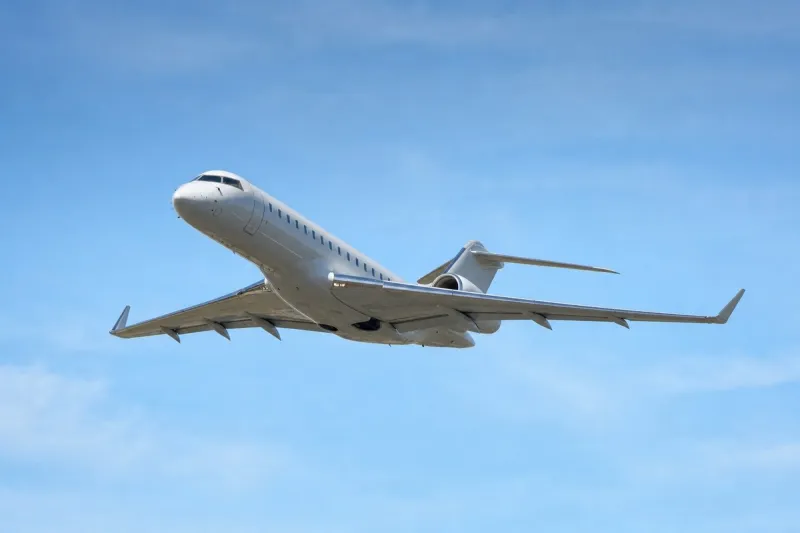
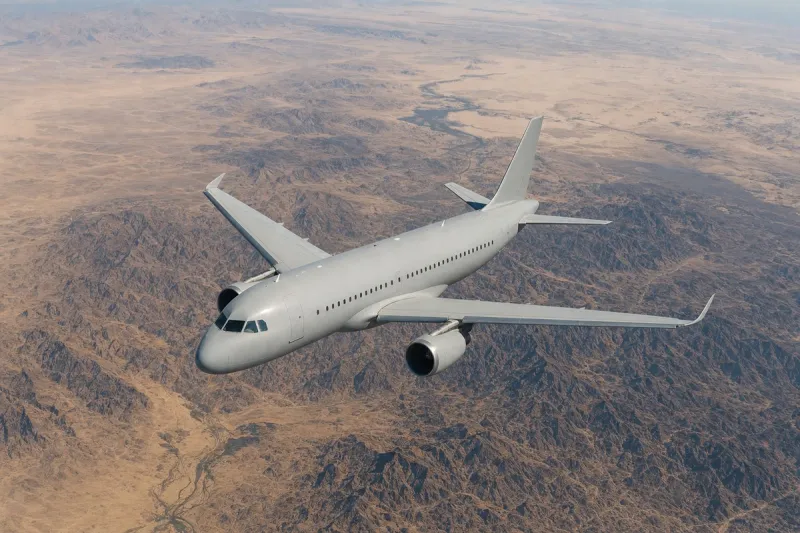
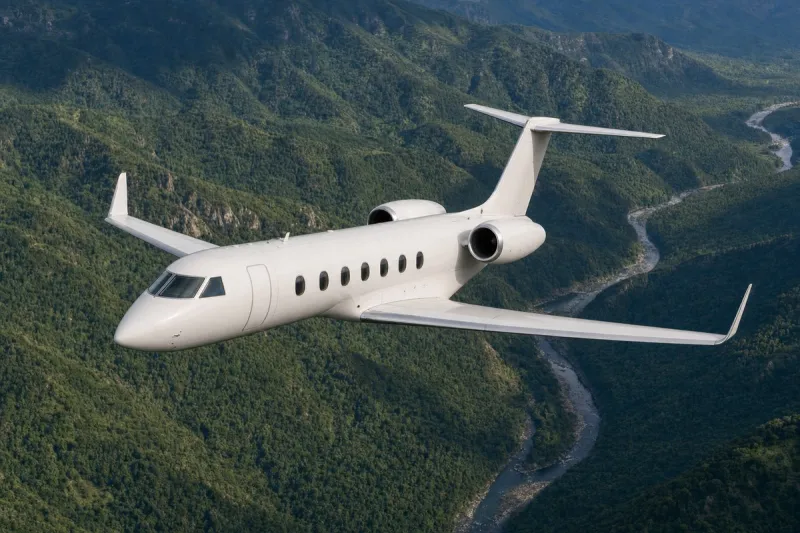
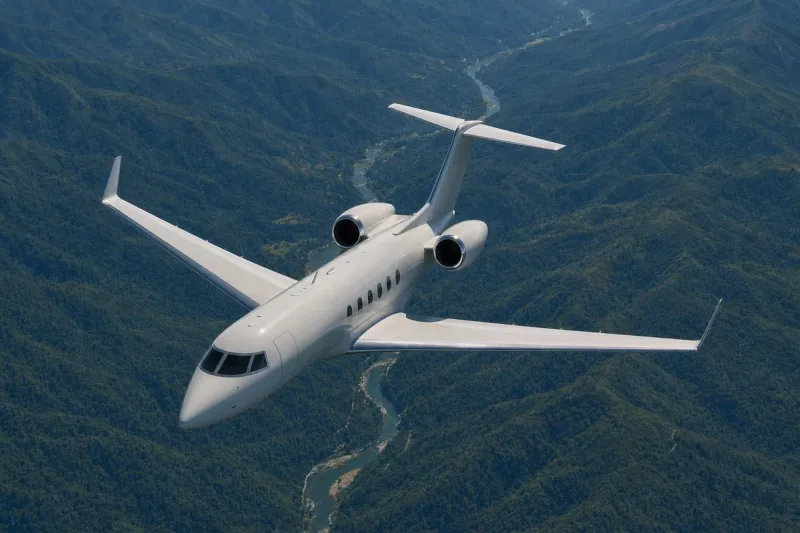
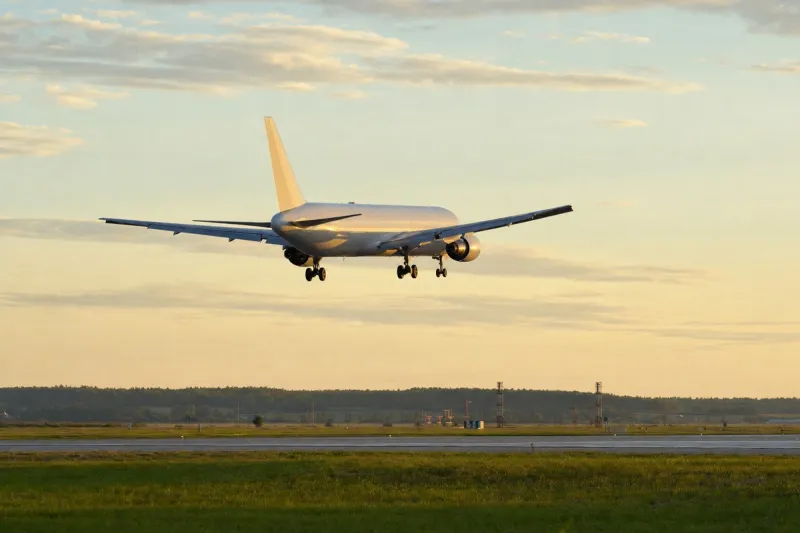
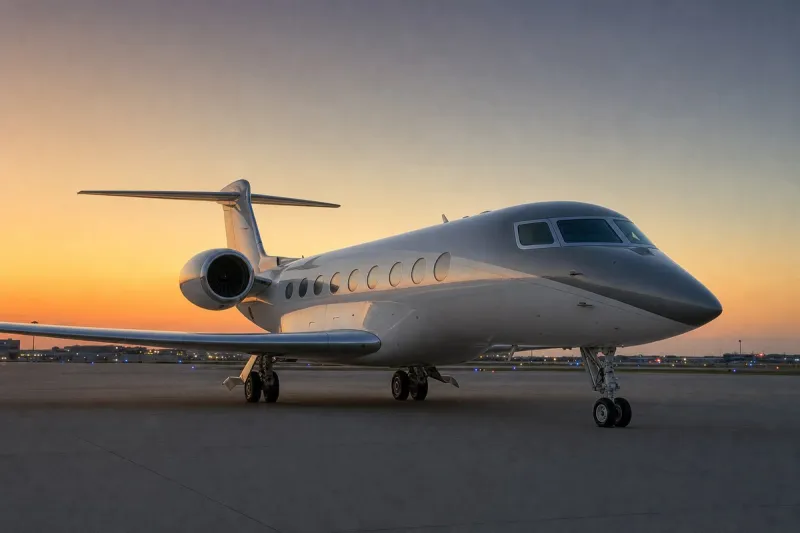
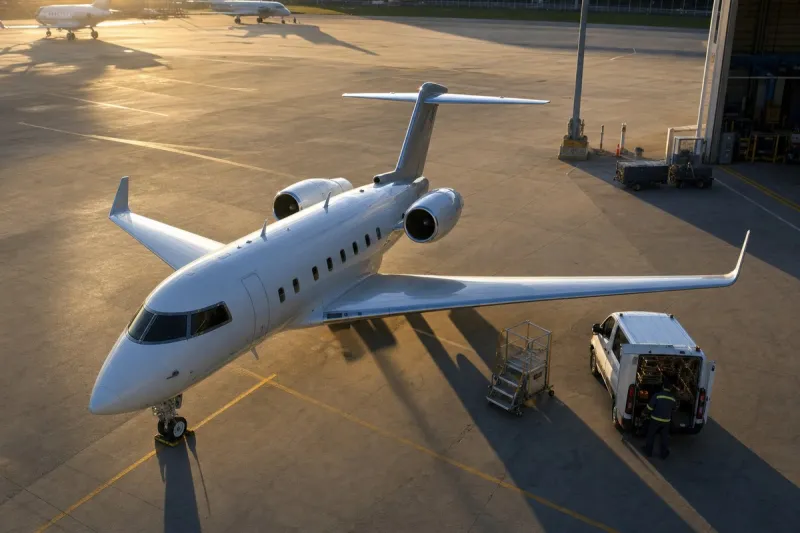
Performance figures compiled from multiple industry sources show the Gulfstream G650 outclimbing and outcruising the Boeing 737 MAX 8, a gap attributed to weight and thrust-to-weight differences rather than engine power alone. The G650 carries a maximum takeoff weight (MTOW) of 99,600 lb (45,178 kg), according to Guardian Jet, while Boeing lists the 737 MAX 8's MTOW at 182,200 lb (82,191 kg) — roughly 83 percent heavier.

At 90,000 lb (40,823 kg) on a standard day of 15 °C (59.5 °F), the G650 achieves a climb rate of approximately 3,500-4,000 feet per minute, according to performance data cited from Global Air. The 737 MAX 8, operating near its 182,200 lb MTOW, typically posts climb rates of 2,500-3,000 feet per minute, per performance charts published by Ultimate Specs. At an example filed cruise altitude of 39,000 feet (11,887 m), the G650 reaches its top of climb earlier than the MAX 8 under the same conditions. The G650's manufacturer-published service ceiling is 51,000 feet (15,545 meters), or FL510, as noted by Quantum Jets, a level the 737 MAX 8 does not reach because of its thrust-limited ceiling.
Commercial operators such as United Airlines aim for high load factors to achieve profitability, so a 737 MAX 8 typically operates near its MTOW, while private or charter flights under 14 CFR Part 135 or Part 91 often carry a finite, smaller number of passengers and less cargo. Not all business jets match the G650's ceiling: Cessna Citation models built by Textron Aviation are certified between 41,000 and 45,000 feet (12,497-13,716 m), with only the Citation X reaching FL510, according to Jetfly. The G650 is powered by two Rolls-Royce BR725 A1-12 engines, seats up to 19 passengers with a typical configuration of 16, and Guardian Jet lists its ask price between $37 million and $64 million, with a typical purchase price of approximately $50.5 million.
Why weight changes climb performance
As weight increases, a wing must fly at a higher angle of attack to generate sufficient lift, which increases drag. Greater drag reduces the excess power available for climbing, producing a shallower climb gradient and slower altitude gain — the mechanism behind the gap between the two aircraft's climb rates.
The G650's lighter operating weight and high specific excess power (SEP) let it keep a positive rate of climb deep into thinner air at high altitude, reaching FL510. Flying at that altitude reduces drag and improves fuel burn, and keeps the aircraft above most weather systems: the tropopause sits at roughly 36,000 feet (10,973 m) at mid-latitudes, and most thunderstorms, convective turbulence, icing, frontal systems and the jet stream occur below it. The FAA's Advisory Circular 00-24C notes, however, that mature thunderstorms can produce anvil tops exceeding FL500, so even an aircraft certified to FL510 cannot safely overfly all weather events.
Industry impact & what to watch
The comparison illustrates a structural tradeoff in aircraft design: airlines optimize for payload and load factor to make each flight profitable, while business jet manufacturers optimize for excess thrust relative to weight, trading cabin volume and passenger count for climb and altitude performance. That tradeoff is why a 99,600 lb aircraft can out-climb one carrying almost double its weight even without a dramatically different engine class.
The ceiling advantage matters operationally because altitude is one of the few levers an operator has against weather risk and fuel burn simultaneously — flying above the tropopause avoids much of the turbulence, icing and convective activity that airliners must route around. But the FAA's own guidance that thunderstorm tops can exceed FL500 means even FL510-capable jets retain real exposure to the most severe weather, limiting how far the altitude advantage can be pushed as a safety strategy.
The gap is also not uniform across the business jet segment: Textron's Citation line tops out between FL410 and FL450, with only the Citation X matching the G650's FL510, so buyers and operators comparing aircraft on altitude capability need to check the specific model's published service ceiling rather than assume all business jets perform alike.