FBOs Shift Focus to Fractional and Charter Customers as North American Part 91 Flying Declines
Why It MattersOwner-exclusive fractional terminals and falling private-ownership flying show fuel and ground-handling demand migrating from individual owners toward program operators, changing which relationships anchor FBO revenue.
What happened
North American FAR Part 91 business aircraft flight activity has been in a long, steady decline, and FBOs are shifting their focus toward the fractional and commercial charter markets. Part 91 operations once accounted for more than 50% of business aviation flight activity, dating back to 2019, but flight hours in that category have since decreased slowly while fractional, scheduled commuter and on-demand charter (FAA Part 135) operations have risen.

In TraqPak data released by Argus International, North American business aviation flight activity continued to rise in September, with fractional operations up 7.2% and Part 135 operations up 3% year over year. Part 91 operations fell 3.4% in September, and midsize and large-cabin jets in that category recorded double-digit declines for two consecutive months.
Discovery work by the author of the AC-U-KWIK ALERT blog post found that Part 91 operators, particularly those flying large-cabin and midsize jets, are reevaluating the cost of aircraft ownership and recurring overhead, including maintenance, insurance, hangar rental and crew staffing. Aircraft management programs offer a partial alternative, while jet-share/fractional programs, card programs and on-demand charter have gained popularity. Fractional flight activity in North America is estimated to have grown by more than 10% during 2025.
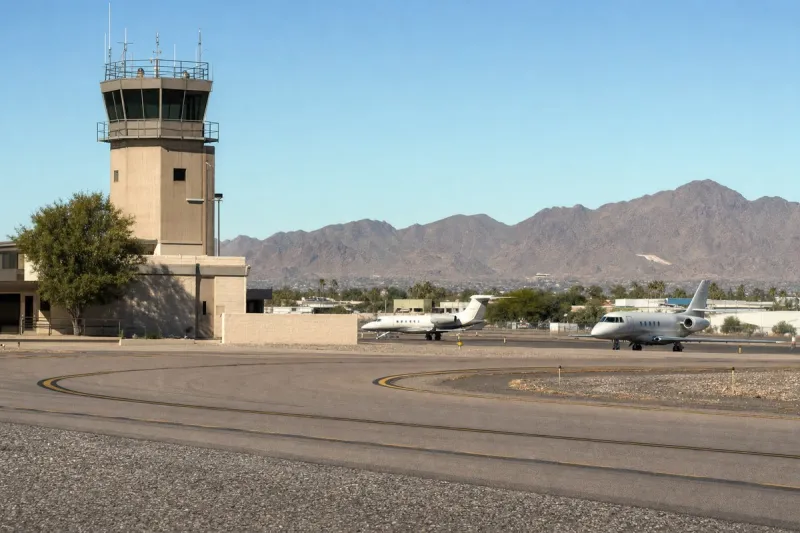
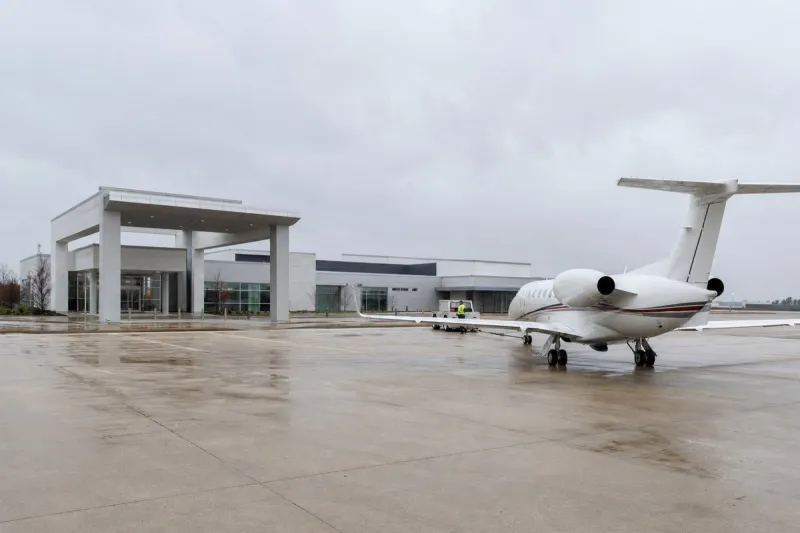
Flexjet and NetJets are building owner-exclusive customer terminals, with more than 10 planned or newly opened. Locations include Scottsdale Airport, Augusta Regional and Austin-Bergstrom International Airport. Some sites offer hangar operations and maintenance, and Flexjet has recently opened an international terminal at Farnborough Airport. Fractional programs will still need refueling at these terminals, primarily provided by FBOs, though some ancillary services may be offered by the fractional operators themselves.
What the post tells FBOs to do
The post advises FBOs to build lasting relationships with all aircraft operators, starting with schedulers and dispatchers, and to strengthen their online and social presence.
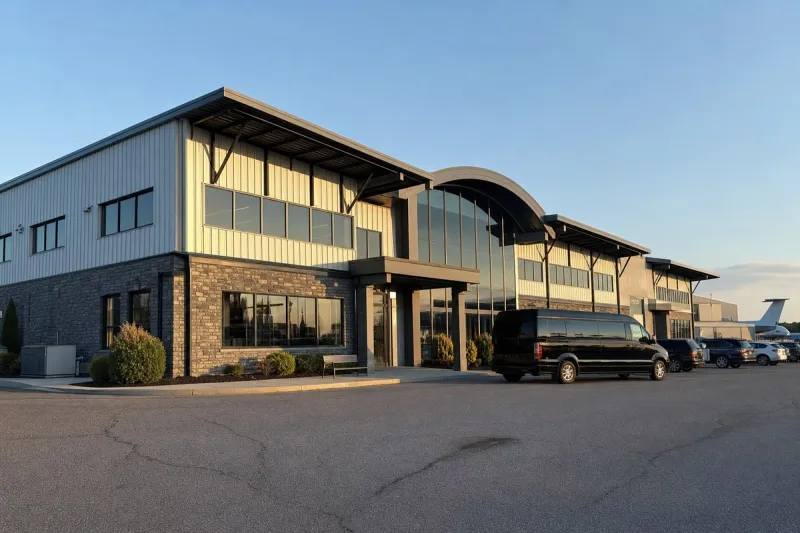
It says FBOs do not need elaborate terminal buildings but should offer clean, well-organized facilities and an exceptional customer experience.
Industry impact & what to watch
The pattern in the figures is a migration of flying from individual owners to program operators. When Part 91 owners weigh maintenance, insurance, hangar and crew costs against fractional shares, cards and charter, the flight hours move with them, and the customer an FBO serves changes from an owner with a personal relationship to a scheduler or dispatcher working for a program.
The terminal build-out adds a second pressure. Operators that run their own owner-exclusive facilities take over part of the customer-facing experience, yet fuel still has to come from somewhere, and the post says that is primarily the FBOs. The revenue that remains is therefore concentrated in refueling, with ancillary services contested.
The next indicator is whether the double-digit declines in Part 91 midsize and large-cabin activity extend beyond the two consecutive months already recorded, and how many of the more than 10 planned terminals open and take over ground services at their airports.