HondaJet Elite II Burns 81 to 149 Gallons an Hour Depending on Cruise Setting, Pilot-Report Data Shows
Why It MattersLight-jet burn rates depend heavily on the chosen cruise setting, so any single hourly figure quoted for an aircraft type hides a wide cost spread that operating-cost comparisons have to resolve.
What happened
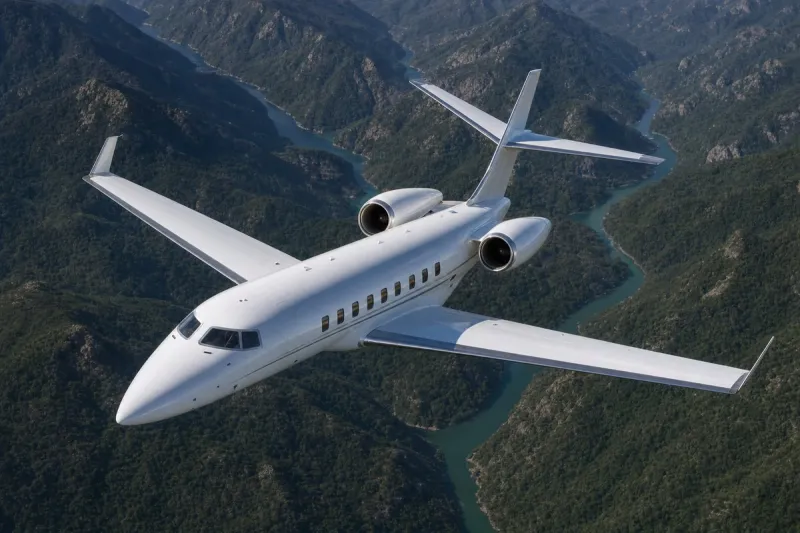
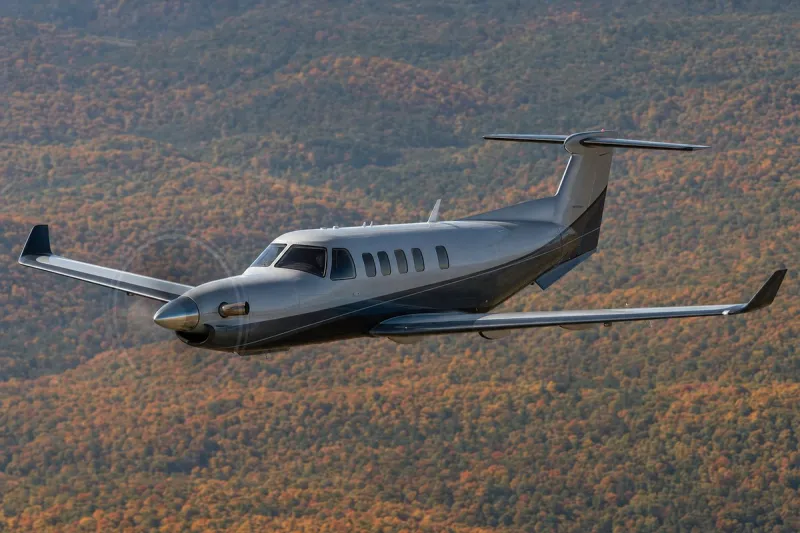
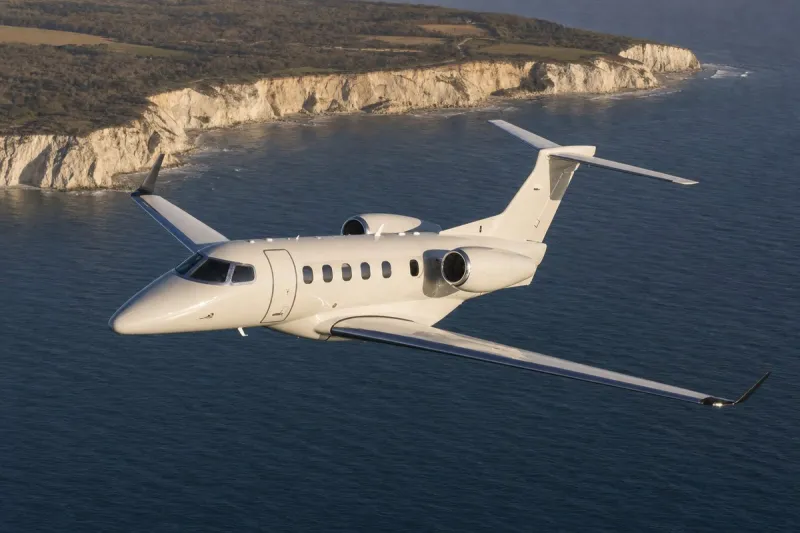
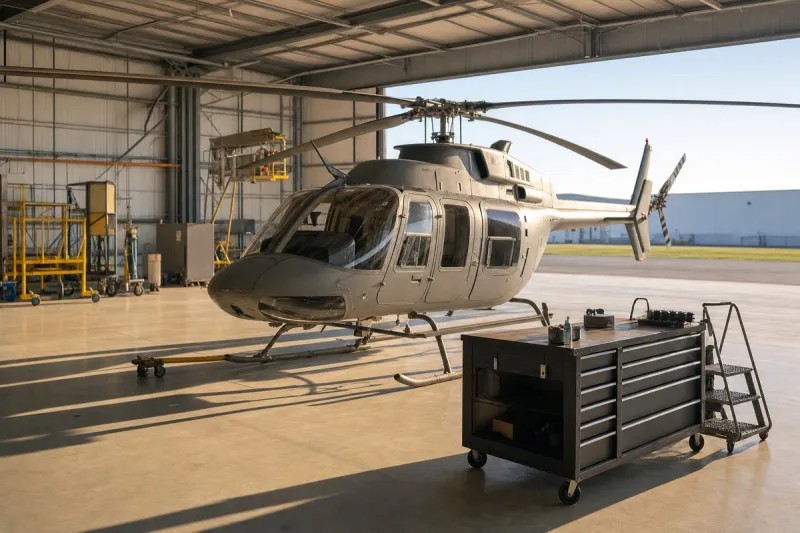
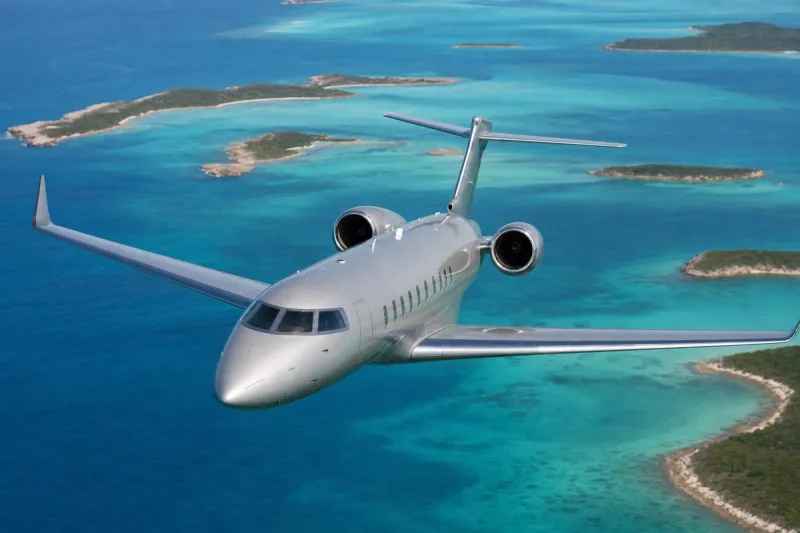
The HondaJet Elite II has no single published fuel-burn figure. The measured data available comes from the earlier HondaJet Elite, which uses the same engine family, in AOPA's March 2020 pilot report.
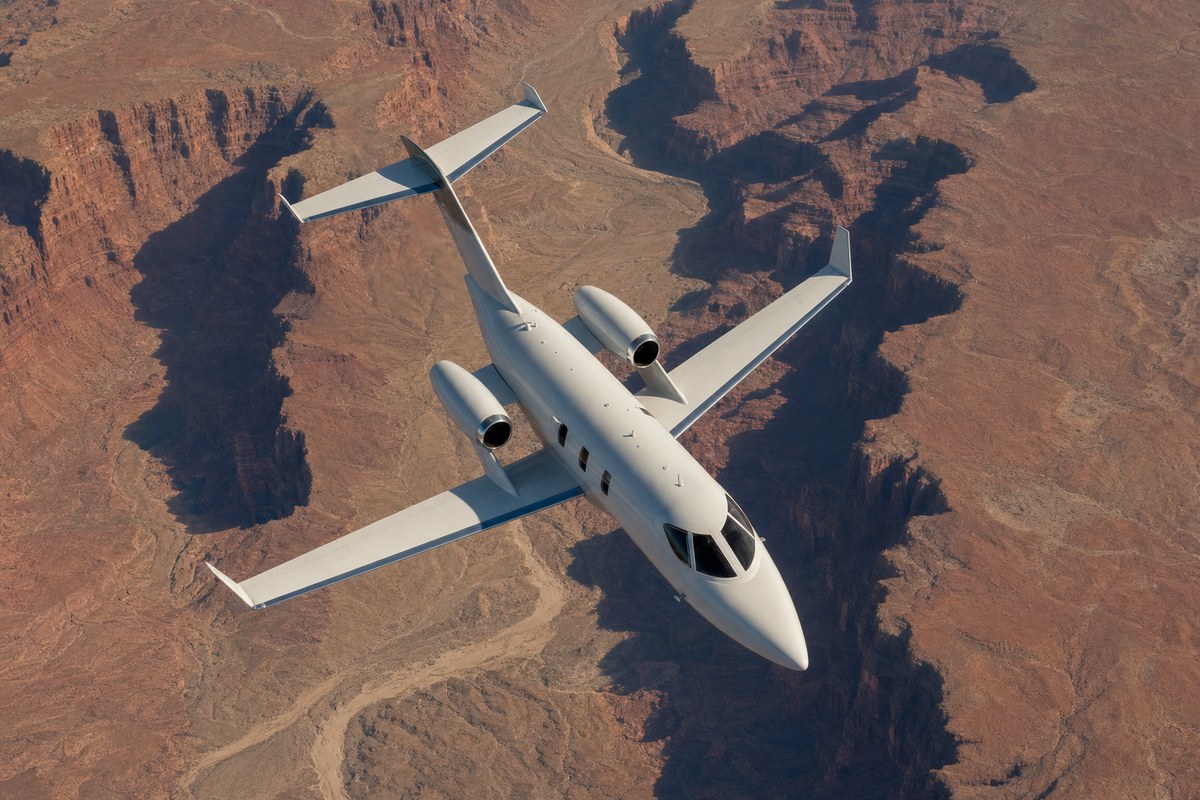
That report shows 543 lb an hour (about 81 gallons) at long-range cruise at FL430 and 360 KTAS, and 999 lb an hour (about 149 gallons) at high-speed cruise at FL330 and 419 KTAS. The slow setting returns roughly 4.4 nautical miles per gallon against 2.8 at the fast one. The fast setting gives about 16% more speed for about 84% more fuel an hour.
The Elite II carries 3,165 lb of usable fuel, about 472 gallons and more than 200 lb above the Elite S, according to Aviation Today. Honda lists a range of 1,547 nm with four occupants and NBAA IFR reserves, roughly 110 nm more than the Elite S. Aviation Today puts practical range at about 1,100 nm with four passengers and two pilots.
Honda says the Elite II is nearly 15% more efficient than other jets in its class on typical missions, per AvWeb's October 2022 report. That is a comparison with competitors, not an hourly burn. Data labelled HondaJet may come from the original, Elite or Elite S rather than the Elite II.
What the burn rates cost
Using the Elite burn rates, 3,165 lb of fuel would last about 5.8 hours at long-range cruise and 3.2 hours at high-speed cruise, with no reserves. At about 1.5 lb per nautical mile, the fuel would cover roughly 2,100 nm of pure cruise, well beyond Honda's stated range figure.
The IATA Jet Fuel Price Monitor put the global average at $187.34 a barrel in the week to 2 October 2026. It is a refinery price from Platts, so FBO prices will be higher. At that price the Elite works out to about $360 an hour at long-range cruise and about $665 an hour at high-speed cruise.
Over a 500 nm cruise-only leg, long-range cruise takes 1 h 23 min and 113 gallons (about 754 lb), costing about $500. High-speed cruise takes 1 h 12 min and 178 gallons (about 1,192 lb), costing about $795, or about $290 more to save about 12 minutes. The arithmetic ignores climb, descent, wind and the allowances a real flight carries.
Industry impact & what to watch
The spread between 81 and 149 gallons an hour on one airframe family shows why a single hourly burn number says little about light-jet operating cost. Speed and fuel consumption trade off steeply at the top of the envelope, so the cost of a leg depends on the cruise profile the crew flies as much as on the type.
That has a practical consequence for how these aircraft are compared. Quotes built on a headline hourly figure, a manufacturer efficiency claim or data from an earlier variant can differ widely from what a specific mission burns, and the refinery-level fuel price used here understates what operators pay at the pump.
The gap that remains is a published Elite II burn rate. Until measured data for that variant appears, the Elite figures are the closest reference, and any comparison should state which variant and which cruise setting it uses.