Volunteer Pilots Provide Free Medical Flights Through Angel Flight and Allied Networks
Why It MattersThese volunteer networks show general-aviation capacity absorbing medical-access gaps that commercial travel and cost barriers leave unmet, sustained entirely by pilots covering per-flight expenses themselves.
What happened
Volunteer aviation networks across the United States provide free air transportation to patients who need specialized medical care unavailable locally, connecting them with treatment centers at no cost to the patient or family. Organizations including Angel Flight, LifeLine Pilots, and the Air Care Alliance coordinate these charitable missions nationwide.
Angel Flight has operated for 31 years. Angel Flight Central alone counts 340 volunteer pilots and has completed 53,000 flights. LifeLine Pilots completes hundreds of missions annually, primarily across the Midwest, while the Air Care Alliance serves as an umbrella body linking dozens of regional networks from Florida to Hawaii.
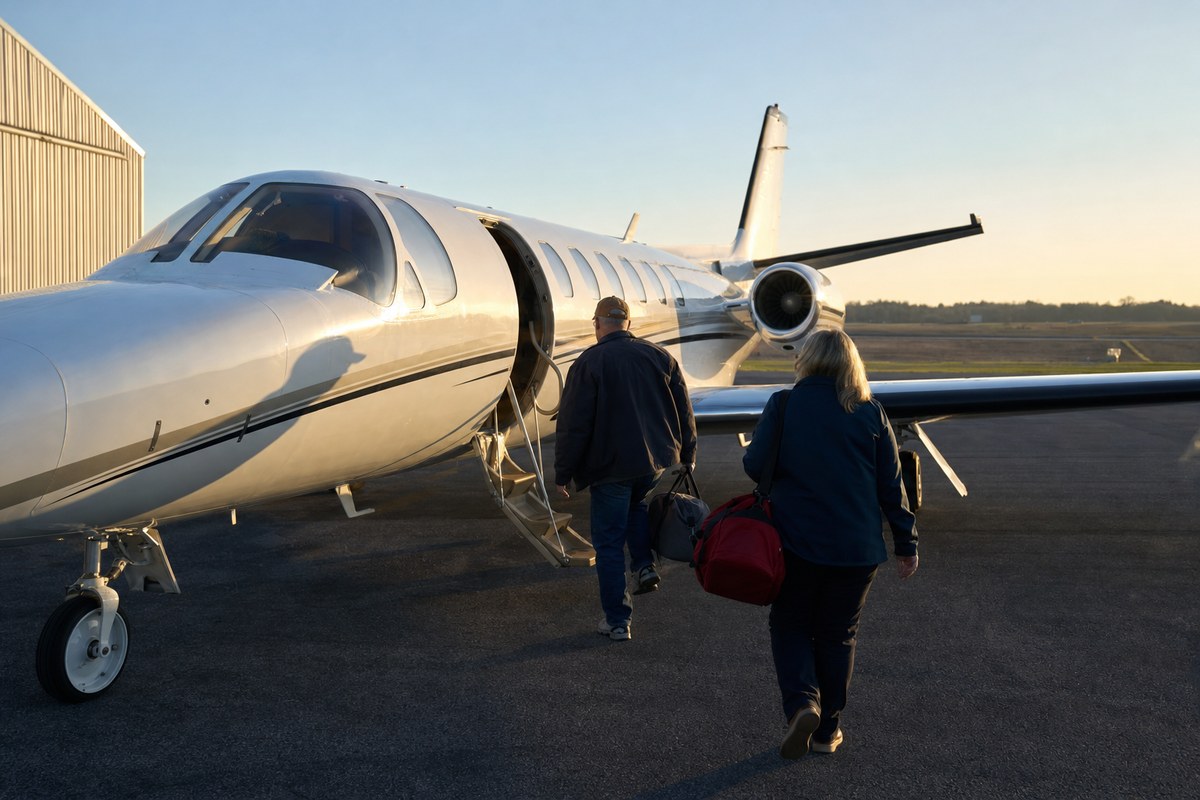
To qualify, patients must be medically stable and require no in-flight medical intervention, need specialized care not available in their local area, demonstrate financial hardship or face geographical barriers that make commercial travel impractical, and be ambulatory — able to sit upright, wear a seatbelt, and board with minimal assistance. Requests are typically submitted by a physician, hospital social worker, or caregiver and require at least five days' notice, with seven to ten days preferred. Up to one companion may fly with the patient at no charge.
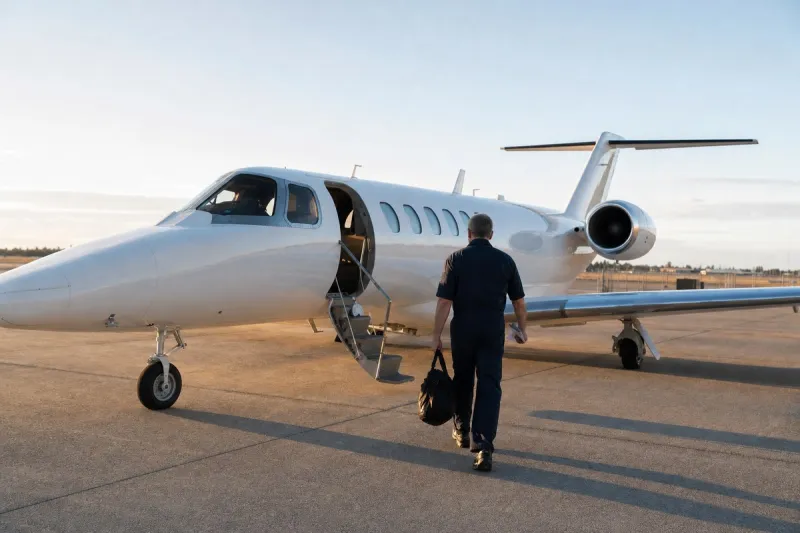
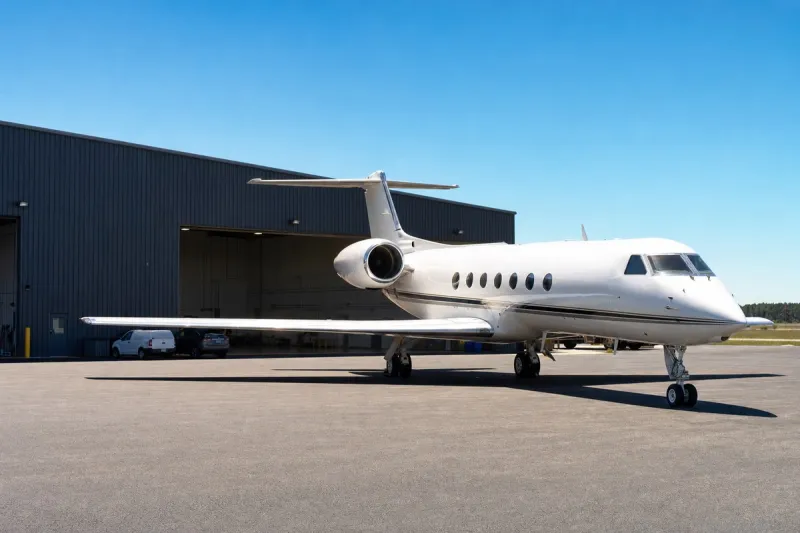
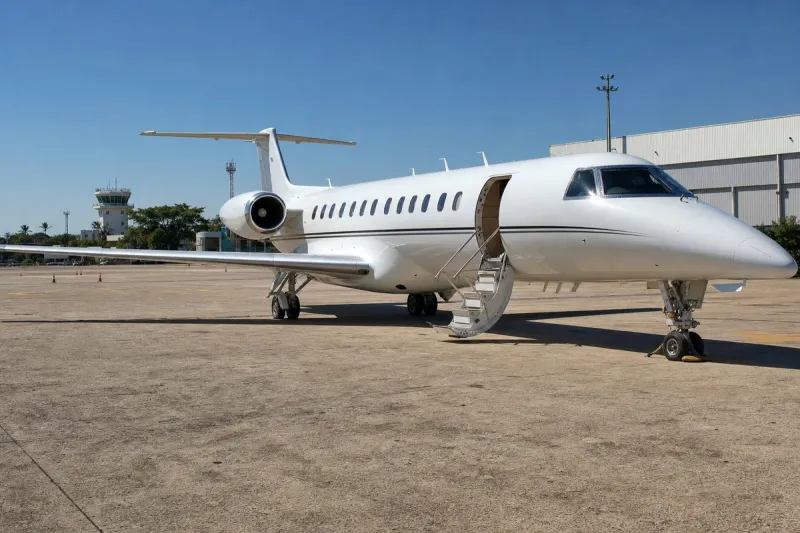
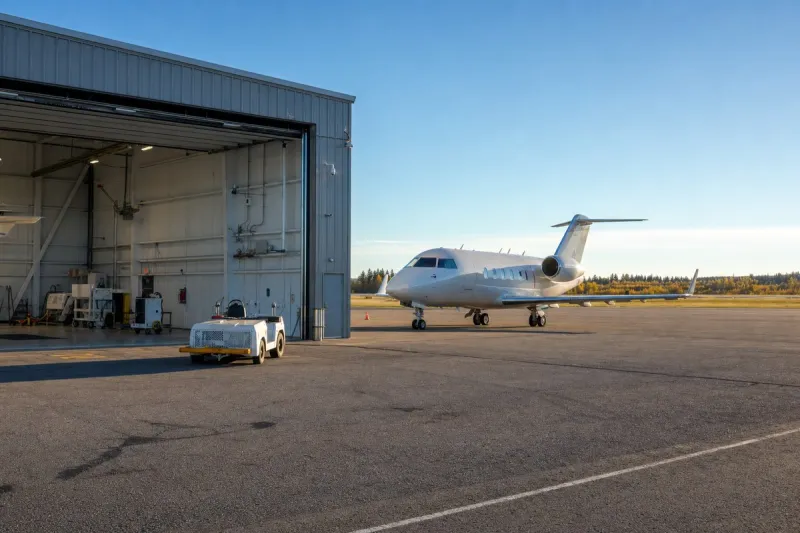
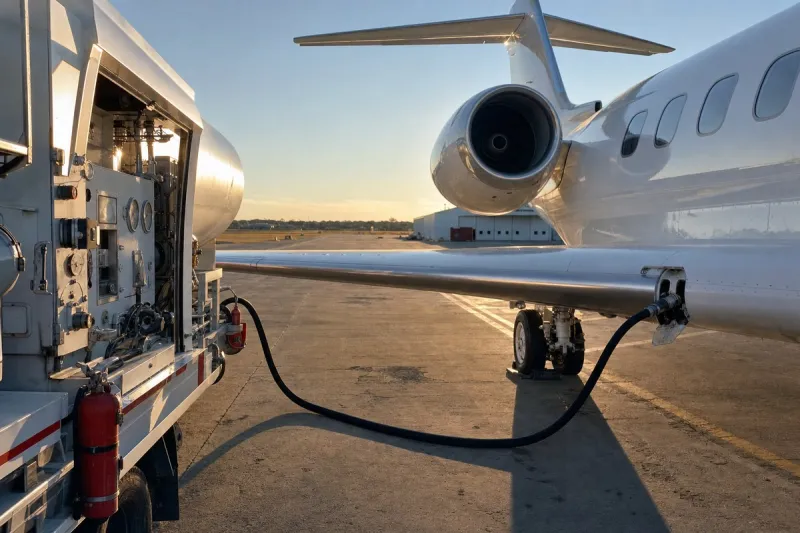
Volunteer pilots hold current FAA certifications, carry insurance, and log minimum flight hours — typically 200 to 250 or more — with many holding instrument ratings. They personally absorb the cost of fuel, landing fees, and maintenance, which can reach up to $1,000 per flight. Mission types include pre- and post-transplant appointments, second opinions at major centers, rare disease evaluations, and compassionate visits. Volunteer flights are generally limited to routes within approximately 1,000 nautical miles and are conducted in small general-aviation aircraft.
Industry impact & what to watch
This case belongs to a broader category of general aviation filling service gaps that scheduled commercial networks leave unserved — short-notice, medically-constrained trips between smaller markets and specialized treatment centers that airlines have little incentive to cover. The pattern works because the cost structure shifts entirely onto individual pilots, who absorb fuel, landing, and maintenance costs that can reach roughly $1,000 per flight, rather than onto the patient or any central fund.
The segment's capacity depends on volunteer pilot supply holding steady: eligibility criteria such as minimum flight hours of 200 to 250 or more, current FAA certification, and instrument ratings mean the pool is self-selecting and not easily scaled by demand alone. Coordination through umbrella bodies like the Air Care Alliance links regional networks so that patients outside any single chapter's reach can still be matched to a pilot, but matching still depends on advance notice of five to ten days and a roughly 1,000-nautical-mile range ceiling tied to small general-aviation aircraft.
Whether this capacity keeps pace with demand will depend on pilot retention and whether regional chapters such as Angel Flight Central continue adding volunteers at a rate that matches patient referrals from physicians, hospital social workers, and caregivers.