Cessna 172 Skyhawk, First Flown in 1955, Remains in Production With More Than 44,000 Delivered
Why It MattersA trainer built in the tens of thousands keeps its used market tight, so avionics and engine upgrades, not age, increasingly set what a piston single sells for.
What happened
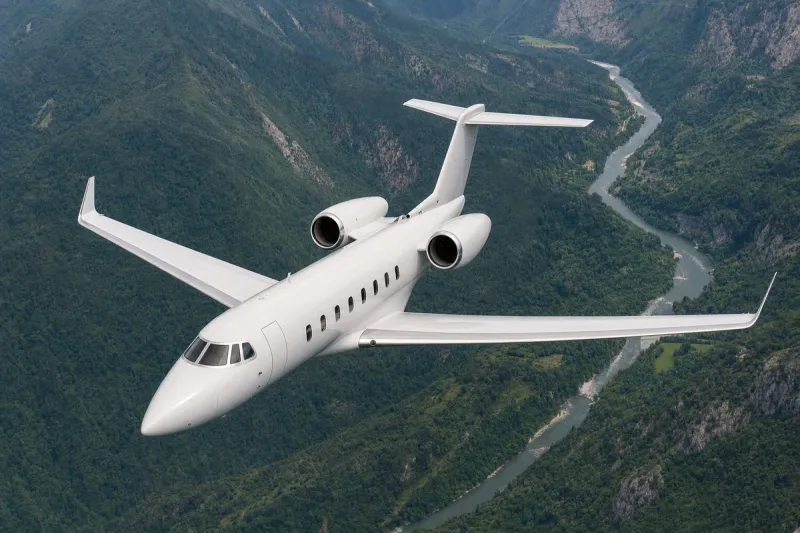
The Cessna 172 Skyhawk, first flown in 1955, remains in production and is the most-produced light aircraft ever, with more than 44,000 delivered. It has a high, strut-braced wing, a swept vertical stabilizer and fixed tricycle landing gear. It was not the first tricycle-gear light aircraft: the Piper Tri-Pacer came earlier. Cessna's selling points were all-metal construction, good performance, pleasing looks and an advertising claim that pilots could simply "drive" it onto the runway.
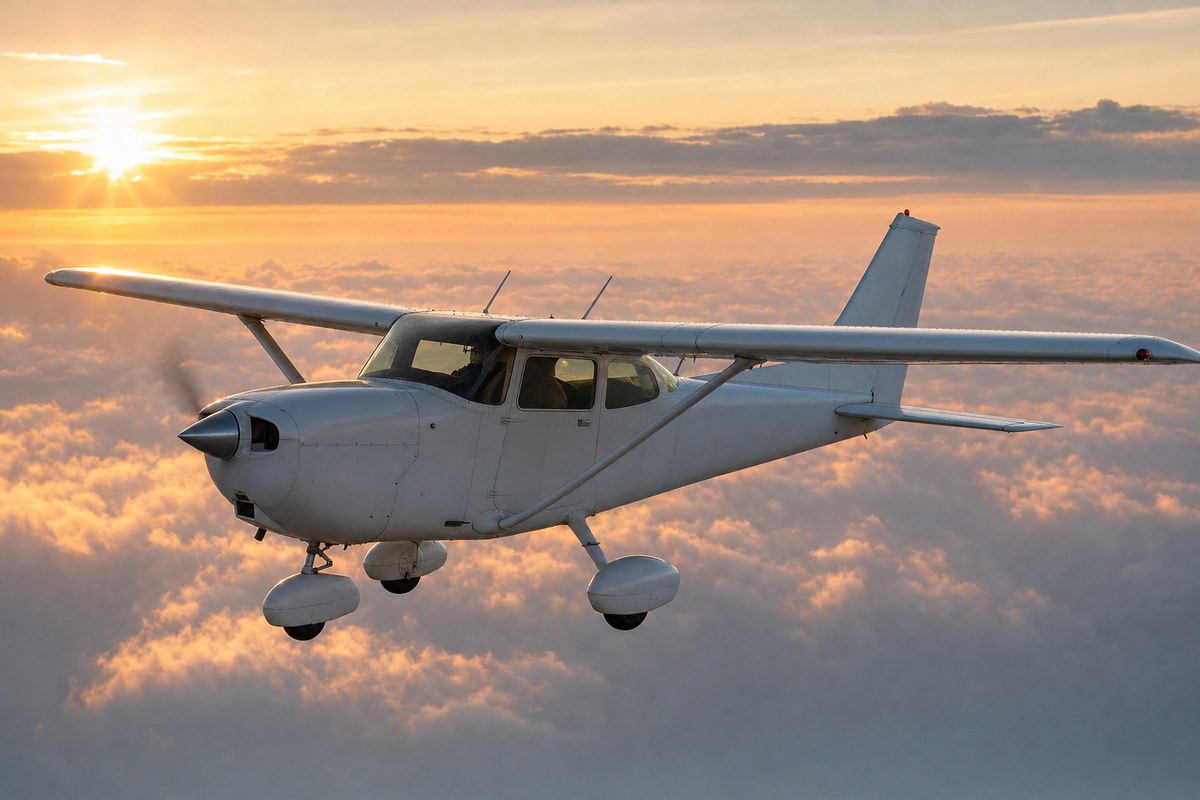
The design came about almost by accident. In 1954 Cessna was working on the 170C, a successor to the 170B, a high-wing, four-place taildragger on the market since 1948, with straight, squared-off tail surfaces. Engineers including engineering test pilot William Thompson had meanwhile experimented with nosewheel versions of the 170B, prompted by Piper's Tri-Pacer sales, though some superiors told them to stop because tricycle gear still drew skepticism. After lengthy debate Cessna canceled the 170C and went ahead with the 172.
The 172 is widely regarded as having trained the most pilots worldwide. The author contrasts "Cessna people" with "Piper people," noting that pilots trained in Piper PA-28s often favor low-wing aircraft, while 172 students tend to prefer the high wing's downward view of terrain. He cites easy handling, forgiving flight characteristics and reluctance to stall as confidence builders, and recounts a student solo cross-country flight from Sussex, New Jersey (KFWN) to Hazleton, Pennsylvania (KHZL) in a 1975 172M.
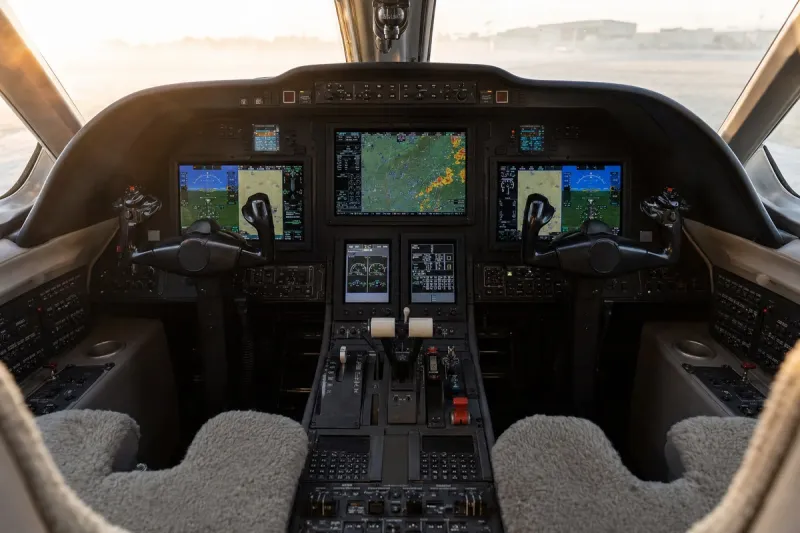
Used prices have risen sharply. The author says hull coverage on a 1975 Skyhawk he once rented went from $30,000 to $80,000 over roughly a decade. Asking prices for 1970s 172s have reached $50,000, $75,000 and even $100,000, with the highest prices typically reflecting features such as a modern glass panel, new paint and interior, or a conversion to a 180 hp Lycoming O-360 from the standard 150 or 160 hp O-320. Model years on the market run from 1956 to the present, with a production gap from 1986, when Cessna and other manufacturers ceased building light aircraft, to 1996.
Industry impact & what to watch
The Skyhawk shows how a training type behaves as an asset class. A fleet this large, built over decades, gives the used market depth, and it also means a single model sets the reference price for the whole entry-level piston segment. When 1970s airframes ask $50,000 to $100,000, the spread between them comes from what has been added, not from age: glass panel, refinished cabin, larger Lycoming engine.
For flight schools and renters the economics follow from that. Hull coverage moving from $30,000 to $80,000 on a comparable 1975 airframe raises insurance and replacement cost for any operator that keeps older 172s in the training fleet. The 1986 to 1996 production gap leaves a visible hole in the supply of mid-age aircraft, so buyers choose between 1970s-era airframes with upgrades and newer production.
The item that settles whether this pricing holds is the quoted asking figures themselves: they are asking prices, not completed sales. Transaction data on upgraded versus original-spec 1970s 172s would show how much of the premium buyers actually pay.