Flightshares MD: India's Business Aviation Fleet Far Below Potential, Needs Regulatory and Tax Reforms
Why It MattersSeasonal demand spikes exposing fleet shortages show a thin, fragmented market where unclear tax treatment and regulation hold back management, fractional-ownership and HEMS models until reforms deliver practical, consistent policy.
What happened
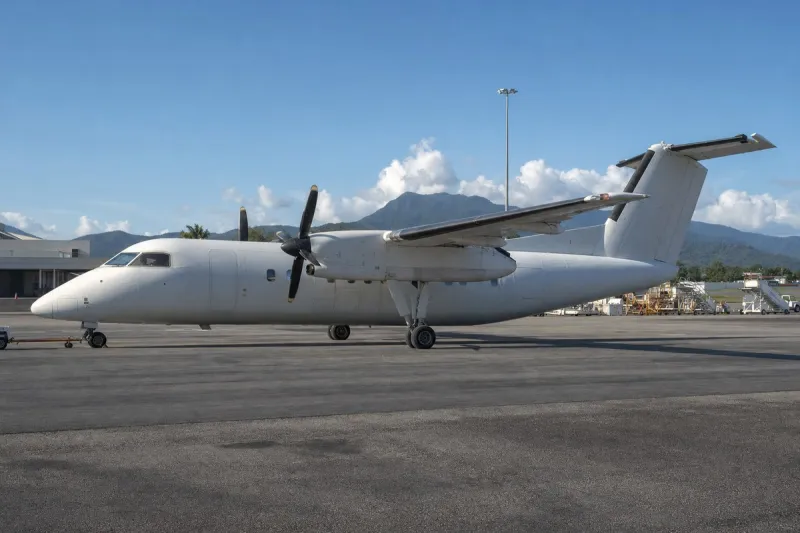
Jayant Nadkarni, Managing Director of Flightshares, said India's business and general aviation sector operates far below its geographic and economic potential. He put the fleet at about 200 business jets, more than 250 helicopters and more than 250 turboprops. By comparison, Mexico and Brazil each have over 1,100 business jets.

Nadkarni said charter demand and aircraft movements have risen markedly since the pre-Covid years, and that demand spikes expose acute fleet shortages. Aircraft are unavailable for hire during election seasons, and single-engine helicopters are unavailable during the religious pilgrimage season running from April to around Diwali, with a possible break in between.
He argued that a separate regulatory framework for business and general aviation would benefit the sector but would be difficult to push through, and that sector-specific relaxations may be easier to achieve. He called for more professionals with business and general aviation experience at the DGCA, a policy system that encourages them to speak up and be heard, and a deputation system under which DGCA officers periodically spend time with operators to understand on-the-ground issues.
The sector's shift from a fragmented market to a thriving ecosystem, he said, depends on targeted regulatory relaxations, practical policy implementation and clear tax frameworks. These would enable new operating models such as aircraft management and fractional ownership, alongside dedicated frameworks for services such as helicopter emergency medical services (HEMS). Building professional aircraft management capabilities and consensus across regulatory bodies is essential, he said, to build market confidence and streamline financing.
Industry impact & what to watch
A fleet of about 200 business jets that cannot cover election-season or pilgrimage-season demand shows how a small, fragmented market behaves: when every available aircraft is already committed, a seasonal peak leaves buyers with no substitute. Capacity, not demand, is the binding constraint in this picture.
The operating models Nadkarni names, aircraft management and fractional ownership, depend on clear tax treatment and financing that lenders trust. Where those are uncertain, owners have little reason to put aircraft into managed pools, which keeps the fleet scattered and the charter supply thin. Regulatory change and tax clarity are therefore linked to fleet growth rather than being separate concerns.
His suggestion that targeted relaxations are easier to win than a separate framework points to the likely path: incremental, sector-specific adjustments. The practical test is whether the DGCA adds business aviation experience and a deputation channel with operators, since those would show whether policy is being shaped with on-the-ground input.