Phenix Jet Cayman Adds First Global 8000, Expects Second in 1Q27
Why It MattersCayman-registered fleets are being refreshed with the newest ultra-long-range Bombardier types, a sign that operators serving long Asia-focused sectors favour range and cabin over staying with ageing Global 7500 and 6000-series units.
What happened
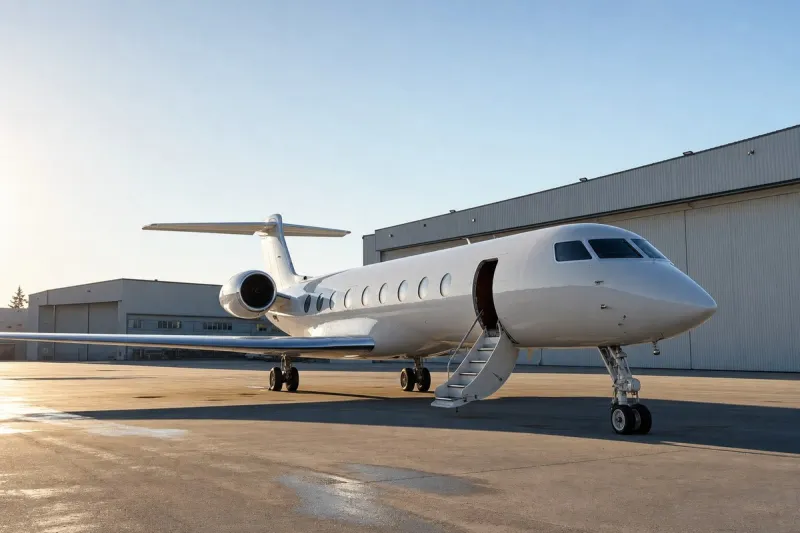
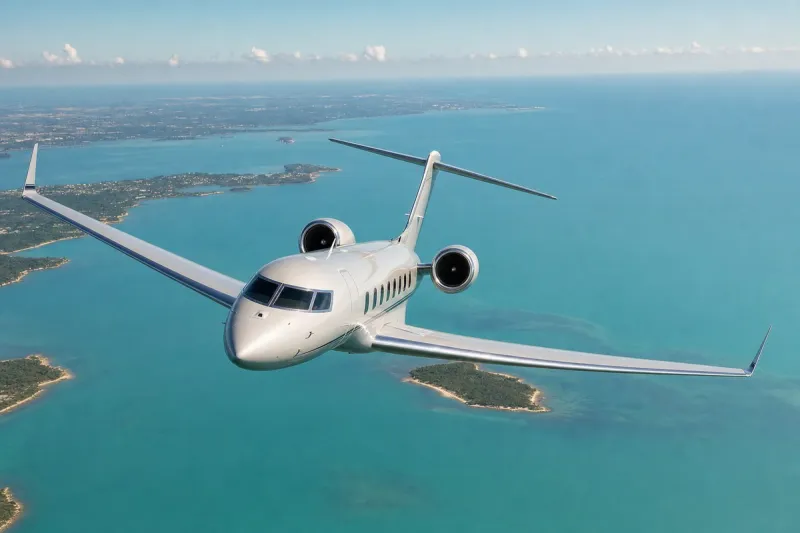
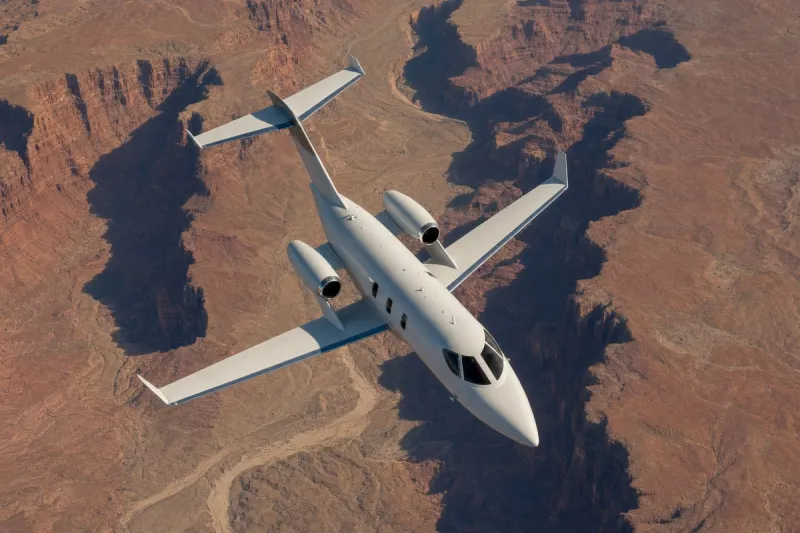
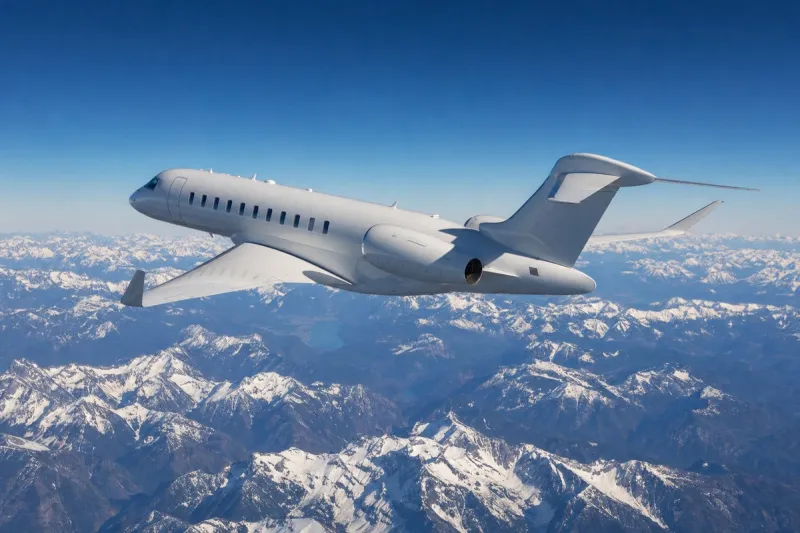
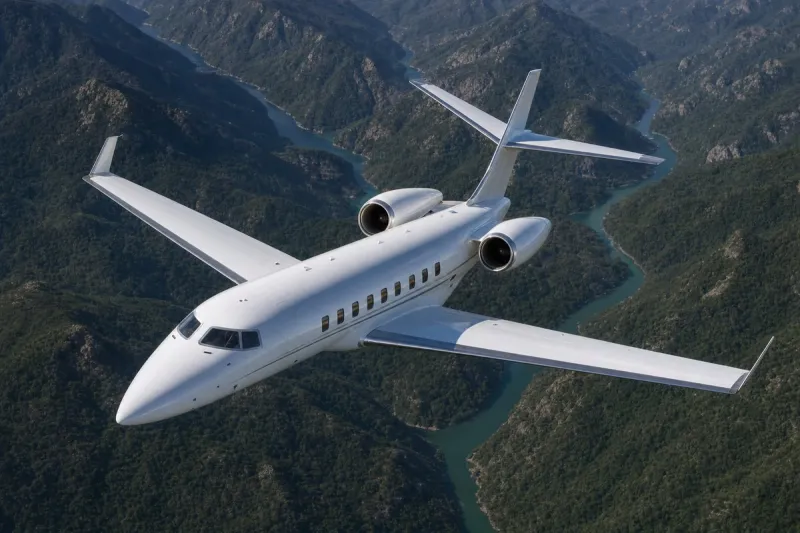
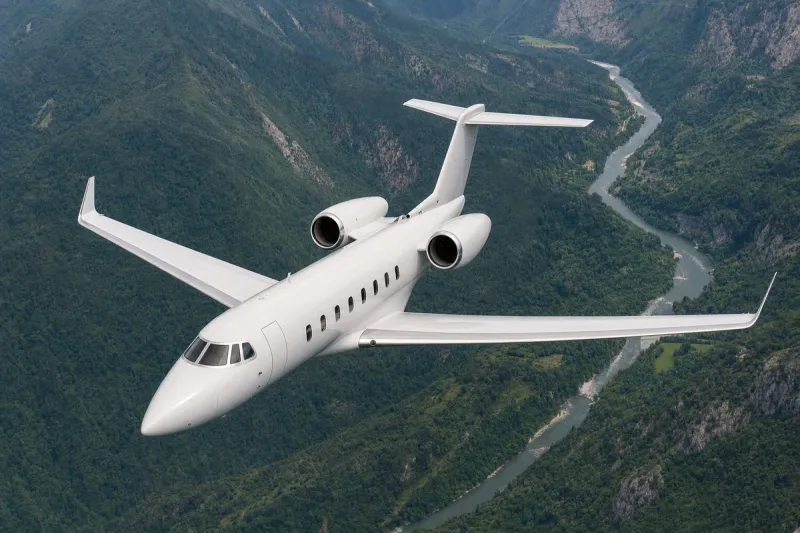
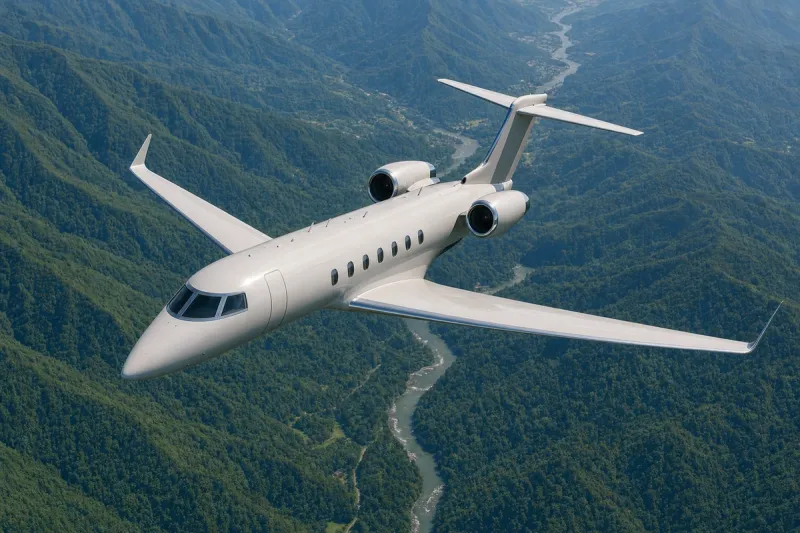
Phenix Jet Cayman (CPJ), based on Grand Cayman Island, has added its first Global 8000 and expects to take delivery of a second aircraft of the type in the first quarter of 2027, the company announced. A plan outlined in mid-2024 had called for two Global 8000s to be delivered in 2026.
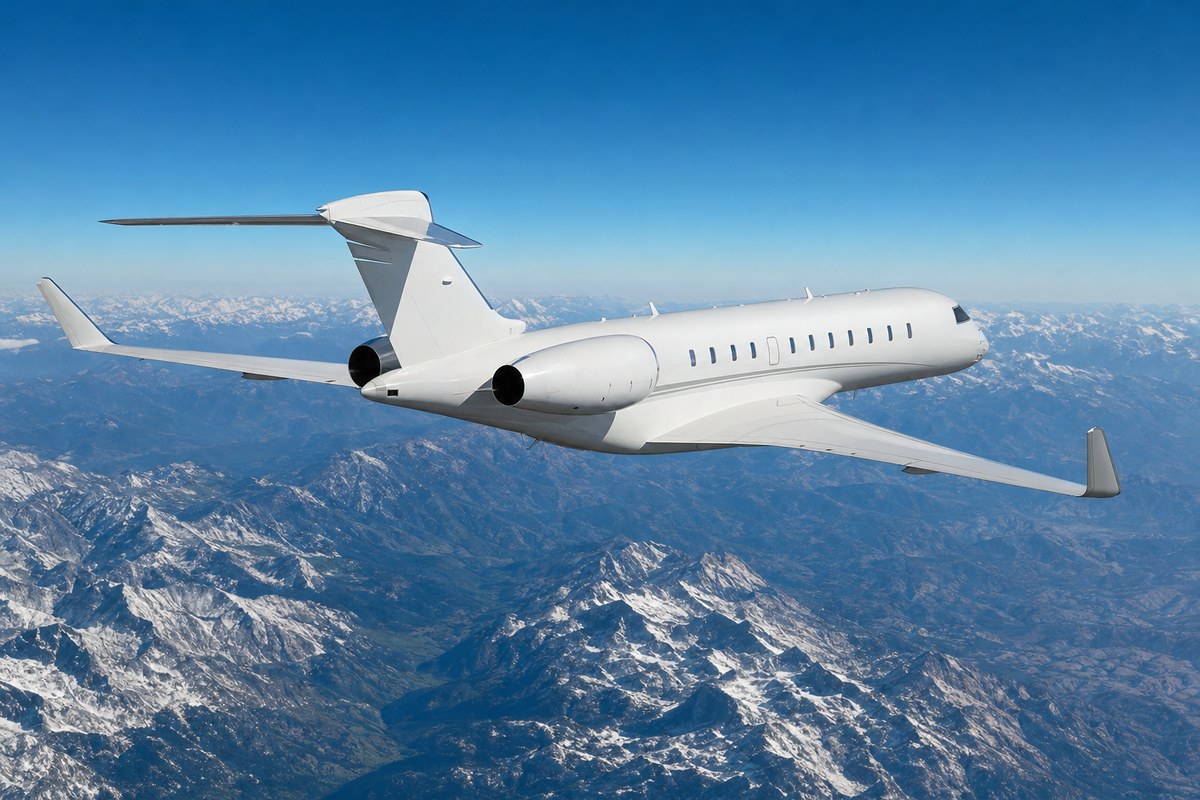
The first aircraft is a 2025-built Global 8000, registered in the Cayman Islands as VP-CUU (msn 70253) in early September. It became active on September 10 with a flight between Hartford Bradley and Boston under the 'CPJ' code, followed by a sector to Tokyo Haneda, and has since operated primarily out of Bangkok Don Mueang.
The aircraft was originally registered in the United States as N123AB and was delivered to US-based financial institution Beal Bank in March. Based at Dallas Love Field, it remained active until late June before ferrying to Hartford Bradley on August 24. Beal Bank continues to operate a 2006-built Global Express XRS.
Four aircraft currently operate actively under the 'CPJ' code: the new Global 8000, a Global 7500 (following the retirement of another unit in late 2025), a B737-700(BBJ), and a G280 added in mid-2026.
Ownership and the wider Phenix Jet fleet
Phenix Jet Cayman is part of US-based Phenix Jet, whose Part 135 certificate comprises a Global 6000, a Global 6500, five Global 7500s, a G550, a G650(ER) and two G650ERs.
Both Phenix Jet and Phenix Jet Cayman also privately manage other aircraft. Both are owned by Japan-based Sojitz Corporation, which announced in late 2025 an order for two new Global-series jets, a Global 6500 and a Global 8000, for deployment under a fractional ownership programme.
Industry impact & what to watch
The pattern here is a young, low-time aircraft moving from a corporate owner's flight department into a managed and charter-oriented fleet within about six months of its March delivery. For a Cayman-registered operator with a Tokyo sector and a Bangkok base in its first weeks, long range and a large cabin are the commercial argument for the newest Global type.
The delivery timing is the other signal. A mid-2024 plan for two Global 8000s in 2026 has become one aircraft in 2026 and a second expected in the first quarter of 2027, so the second delivery is the milestone that will show whether the schedule now holds.
Sojitz's separate late-2025 order for a Global 6500 and a Global 8000 for fractional ownership suggests a parent building capacity across both managed and fractional business lines. How those new-build aircraft are allocated between the Cayman and US operations is the next point where the group's plans will become visible.