Delta Air Lines Says TechOps Revenue Could More Than Double After $990 Million in First Nine Months
Why It MattersAirline-owned maintenance units are being run as growth businesses selling to outside customers, where engine and customer mix drive quarterly margins and a record backlog signals demand for third-party overhaul capacity.
What happened
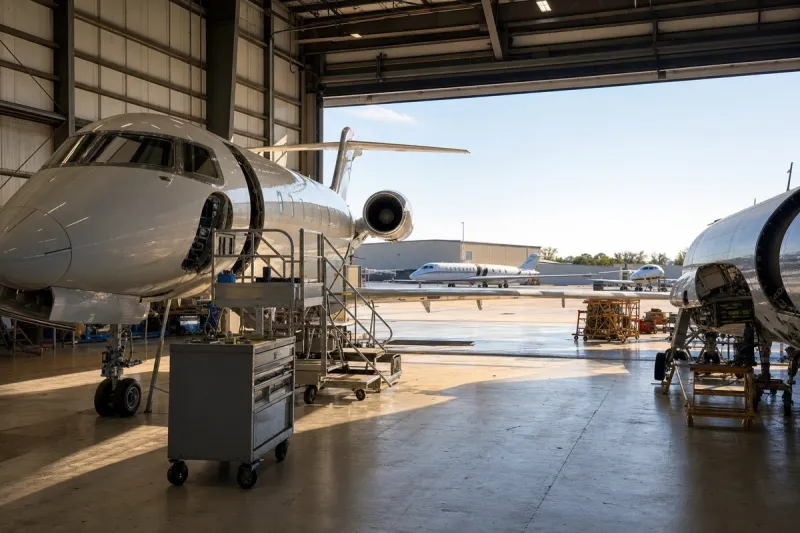
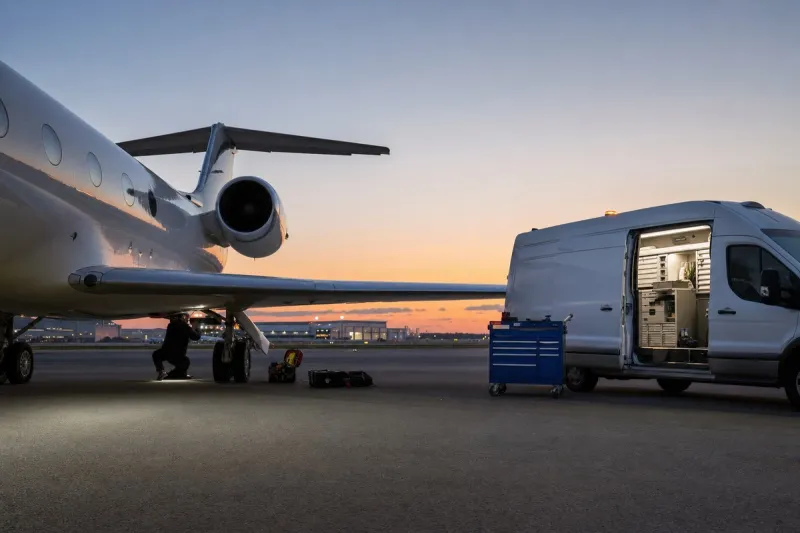
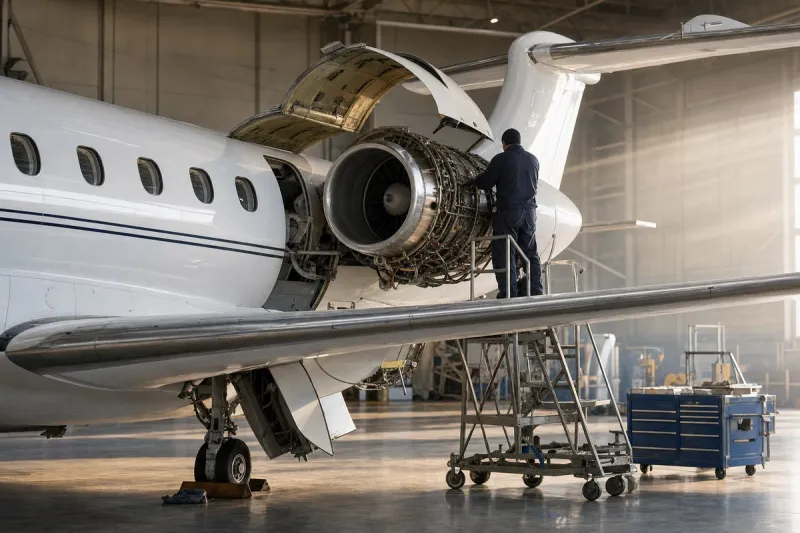
Delta Air Lines expects revenue at its maintenance, repair and overhaul (MRO) unit, Delta TechOps, to more than double over the next several years. The unit generated $990 million in the first nine months of 2026.

On an Oct. 9 earnings call, Delta COO Dan Janki said TechOps had delivered about a billion dollars of MRO revenue year to date, an increase of nearly 60% over the prior year, while expanding margins and growing its customer base. Delta executives also said the TechOps backlog is at record levels.
In the third quarter, the MRO segment generated $296 million in revenue, up 28% year over year. Expenses were $267 million, putting the third-quarter margin at 10%, compared with 14% in the first quarter and 13% in the second. Earlier this year, Delta announced it would separate MRO from its non-fuel unit costs metrics to provide additional detail on revenue and costs.
Janki said the commercial pipeline should deliver double-digit revenue growth and continued steady margin expansion. He said the company typically sees at least 100 basis points of margin expansion in a year, with larger gains expected this year, though results depend on customer and engine mix in any given quarter or year. He added that the business has the opportunity to double and then keep growing from there.
Industry impact & what to watch
A carrier reporting its maintenance arm as a separate line, with its own revenue, expenses and margin, treats that arm as a commercial business rather than an internal cost centre. Delta's decision to pull MRO out of its non-fuel unit cost metrics is the mechanism that makes the segment visible to investors and to prospective customers at the same time.
The quarterly figures show how uneven such a business can be. A margin that moved from 14% in the first quarter to 13% in the second and 10% in the third, while revenue climbed, is consistent with Janki's own caveat that results depend on customer and engine mix. In engine overhaul work, the mix of engine types and customers in a given quarter can move margin more than headline volume does, so a single quarter says little about the trend.
For other MRO providers, an airline-backed shop reporting a record backlog is a sign of how much third-party work is competing for the same hangar and engine-shop capacity. Operators sending engines or airframes out for work have reason to check turnaround commitments against the provider's stated backlog, not only the quoted price.
The test of the doubling claim is the segment line itself: whether full-year revenue, the margin against the 100 basis points of expansion Janki described as typical, and the customer count keep moving in the direction he outlined in the quarters ahead.