West Star Aviation Opens Fifth Satellite MRO Facility at Addison Airport near Dallas
Why It MattersSatellite sites in operator-dense metros show how independent MROs compete: by placing drop-in capacity and sister-company structural repair near customers, cutting repositioning time rather than adding a single large hub.
What happened
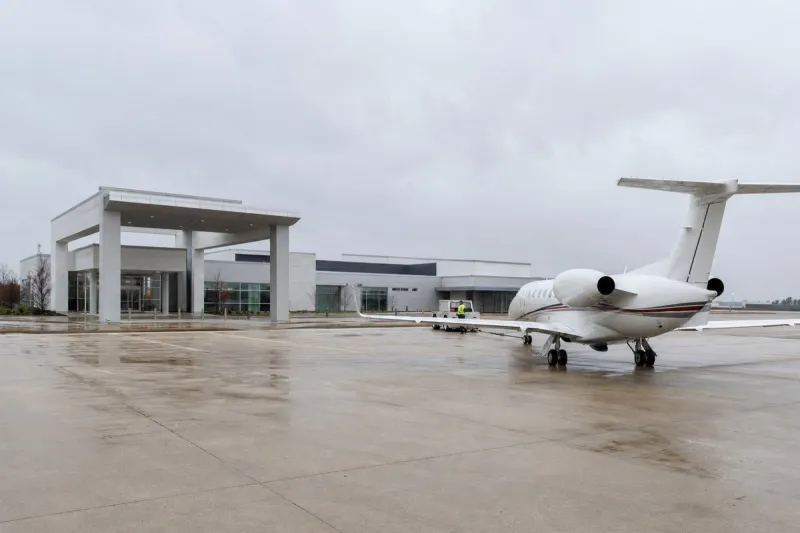
West Star Aviation has added a satellite maintenance, repair and overhaul facility at Addison Airport (ADS) in the Dallas Metroplex. It is the company's fifth satellite location, alongside existing sites in Chicago, Denver, Houston and Minneapolis.

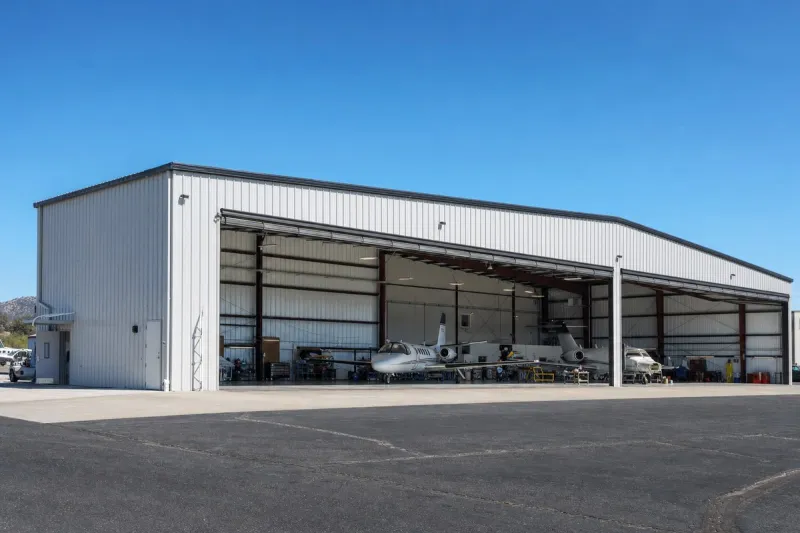
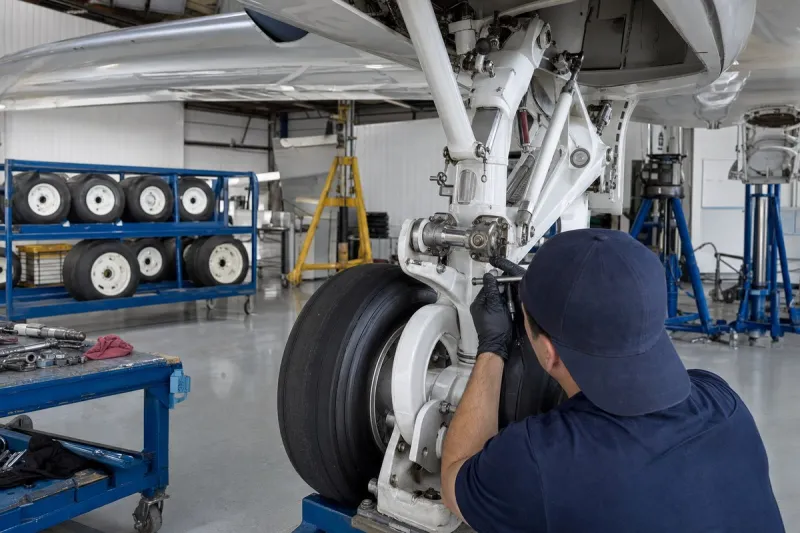
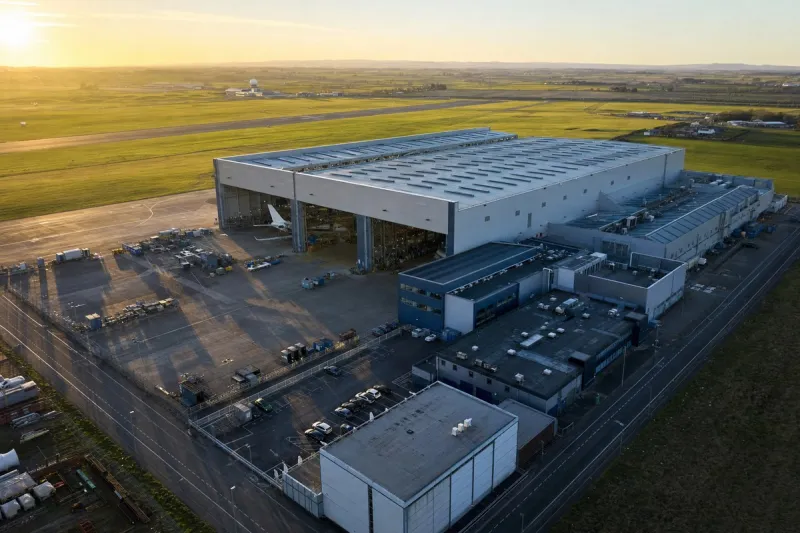
The Addison facility is led by Satellite Manager Rob Harris and has four hangars totaling approximately 40,000 square feet. It supports Textron, Embraer, Gulfstream, Bombardier and Dassault Falcon aircraft. Listed capabilities include scheduled and unscheduled maintenance, drop-in maintenance, airframe inspections, AOG support, avionics troubleshooting and support, avionics installations and upgrades, aircraft modifications and structural support.
The Addison team currently has eight technical specialists, and West Star plans to expand it as customer demand grows. West Star says Dallas-area operators can now have more maintenance and avionics work done locally, which can reduce ferry time, simplify crew logistics and limit downtime from repositioning aircraft to another facility.
Link to DAS Aviation
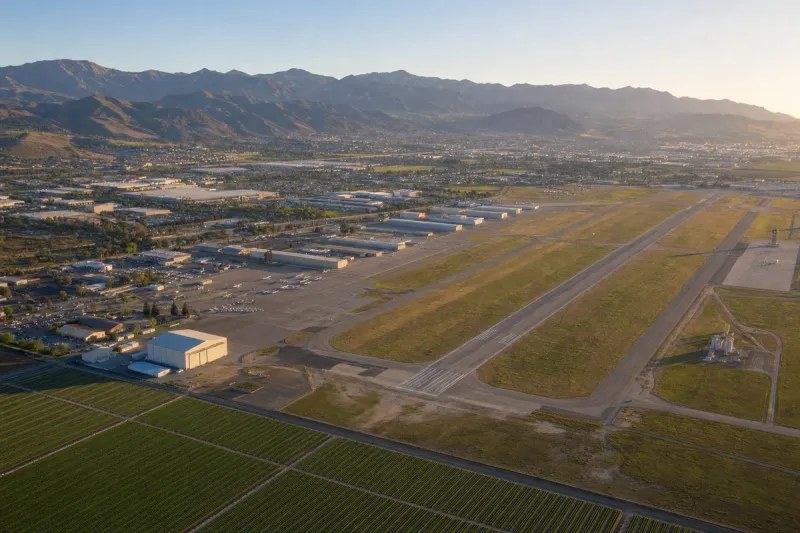
The site is close to DAS Aviation, West Star's sister company and an FAA Part 145 Repair Station specializing in aircraft structural and component repair.
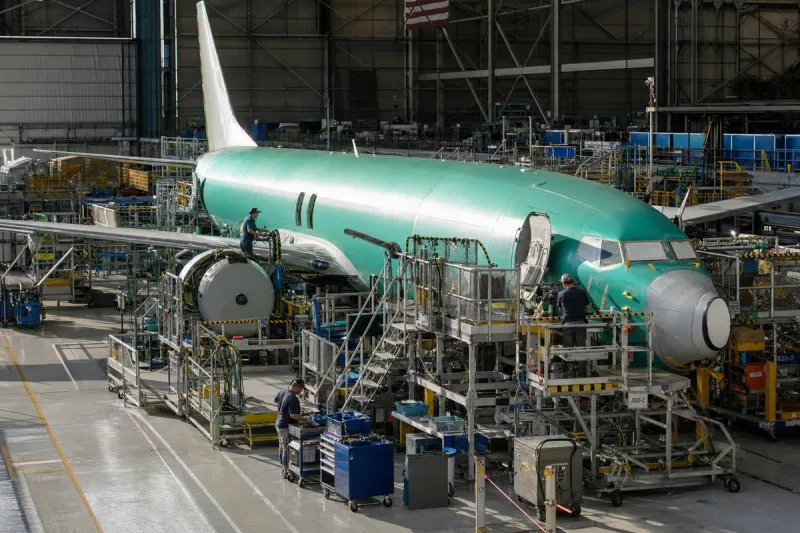
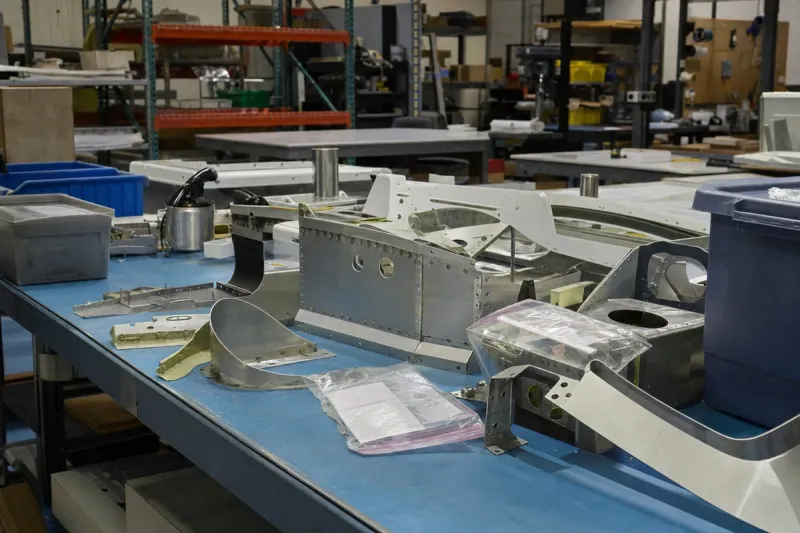
DAS Aviation's services include airframe structural repair, sheet metal fabrication, composite repair, component overhaul and repair, landing gear services, engineering, machining and parts support. West Star says the Addison team can draw on these capabilities when an inspection or maintenance event uncovers a more complex structural issue.
Industry impact & what to watch
Independent MRO providers in business aviation compete largely on how little time an aircraft spends out of service. A satellite site in a metro with a dense operator base moves routine inspections, avionics work and AOG response closer to the aircraft, so the cost of a maintenance event is driven less by ferry legs and crew repositioning. That is the economic logic behind the multi-city satellite model West Star describes, with each location serving a regional customer cluster instead of drawing everyone to one central facility.
The pairing with a nearby structural repair specialist addresses a familiar weakness of small satellite shops: an inspection that turns up corrosion, damage or a component problem beyond a line-level fix. Having a sister repair station within reach means the aircraft may not need to be released to an unrelated shop mid-event, though how that handoff works in practice is a matter between West Star and each customer.
The clearest marker of how the site develops is headcount. The team starts at eight technical specialists, and West Star ties any expansion to customer demand, so growth in that number would show whether Dallas-area operators are actually shifting work to Addison.