Textron Aviation Places Mobile Service Units, Go Teams and 1CALL Under Single Leadership
Why It MattersFolding the intake desk and the field technicians under one leader shows OEMs treating AOG response as an integrated service product rather than separate call-center and dispatch functions.
What happened
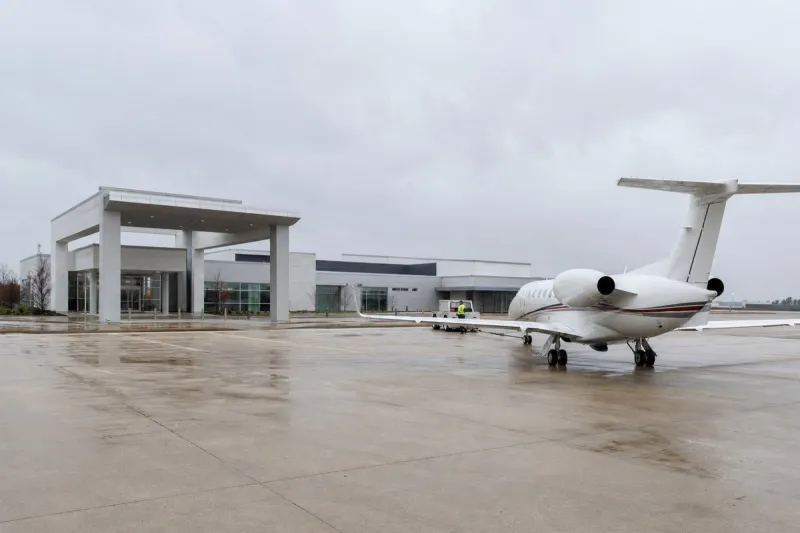
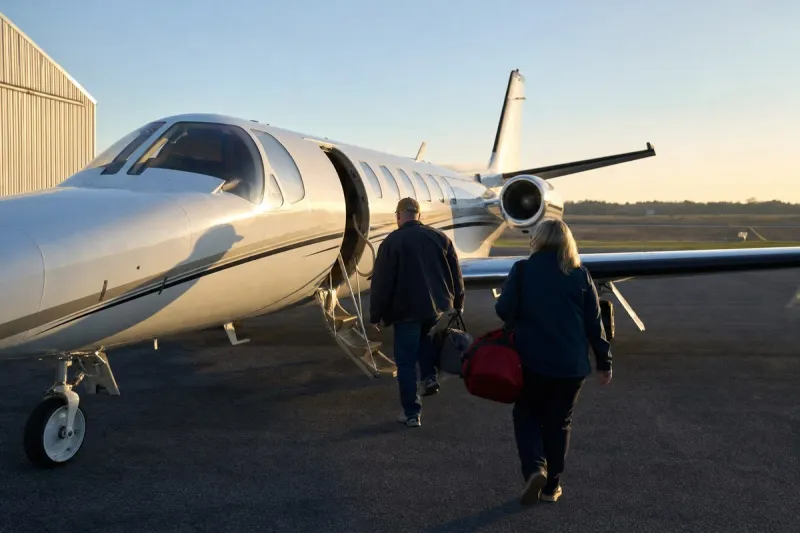
Textron Aviation has realigned its Mobile Service Network, bringing its Mobile Service Units (MSUs), Go Teams and 1CALL together under a single leader: Seth Persons, general manager of the Mobile Service Network. The company said the change was guided by customer feedback and is meant to give customers access to Original Equipment Manufacturer (OEM)-backed field support when they need help away from a service center.

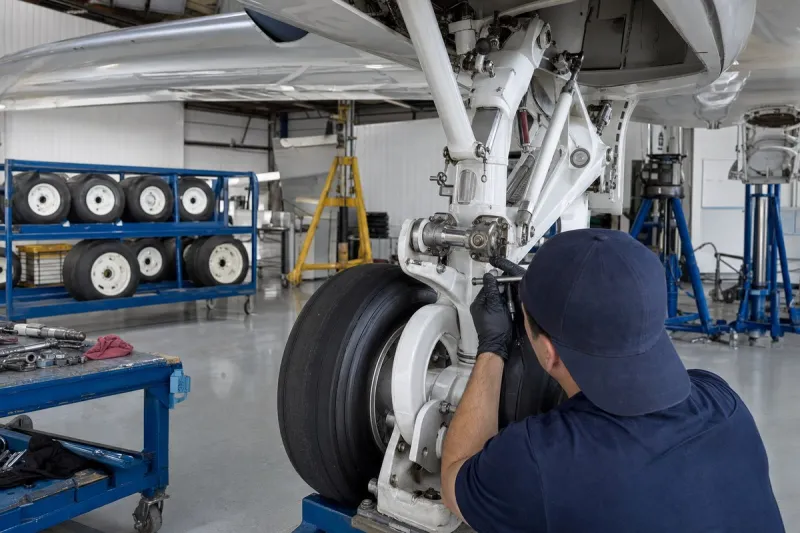
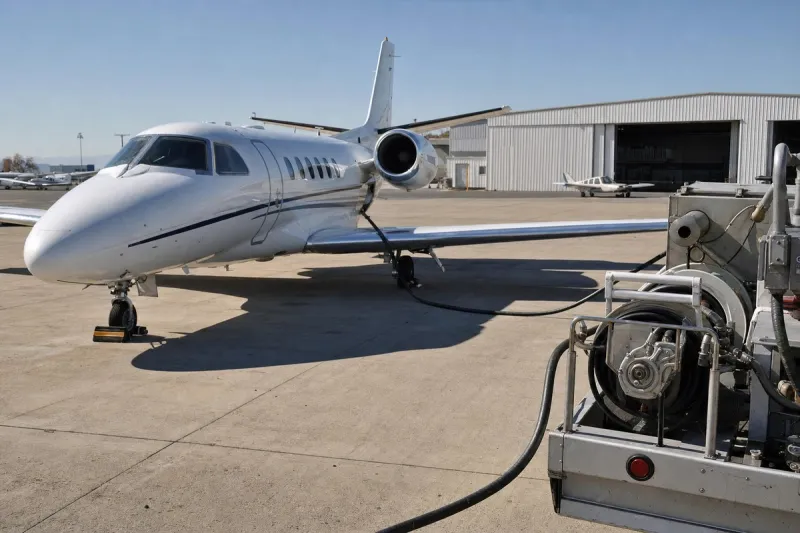
According to Textron Aviation, the realignment strengthens coordination between the initial customer call and the technicians who respond in the field, helping connect customers quickly with the right expertise. Mobile technicians provide Aircraft-on-Ground (AOG) response, technical troubleshooting and select maintenance at the aircraft's location. Their knowledge of Cessna, Beechcraft and Hawker aircraft is backed by direct access to engineering, technical publications and other resources across the company's global service network.
The network spans the 1CALL team and more than 50 MSUs and Go Teams positioned across it. Textron Aviation also reports a global network of more than 300 authorized service facilities for its jet, turboprop and piston customers, in addition to its company-owned footprint.
Industry impact & what to watch
Putting the intake function and the field responders under one general manager addresses a familiar friction point in aircraft-on-ground support: the handoff between whoever takes the call and whoever turns a wrench. In business aviation an AOG event is priced in lost trips and repositioning, so the speed of that handoff matters as much as the technician's skill. OEMs that own both ends of the chain can route a case with engineering and technical-publication access already attached.
The move also reflects how manufacturers compete on service rather than on product alone. A fleet of Cessna, Beechcraft and Hawker aircraft is supported by an OEM-run mobile layer sitting alongside a much larger set of authorized facilities, and structuring those layers under clearer ownership is one way an OEM differentiates from independent mobile providers.
What would show whether the realignment delivers is the one thing the announcement frames as its purpose: whether customers experience quicker connection to the right expertise when they call. Textron Aviation attributes the change to customer feedback, so any later statements on response performance from the company or its customers would be the most direct evidence.