What Drives Private Jet Charter Pricing: Aircraft Type, Positioning, Timing and Route
Why It MattersCharter pricing remains a quote-by-quote negotiation shaped by fleet location and calendar timing, meaning buyers who flex dates or aircraft size can capture meaningful savings within the same market.
What happened
Private jet charter pricing is built around an hourly aircraft rate rather than a fixed per-seat fare, since the customer reserves an entire aircraft, crew and block of time. That hourly rate already bundles crew costs, fuel, maintenance reserves and insurance, and operators typically price on-demand trips trip by trip using this rate as the primary building block.

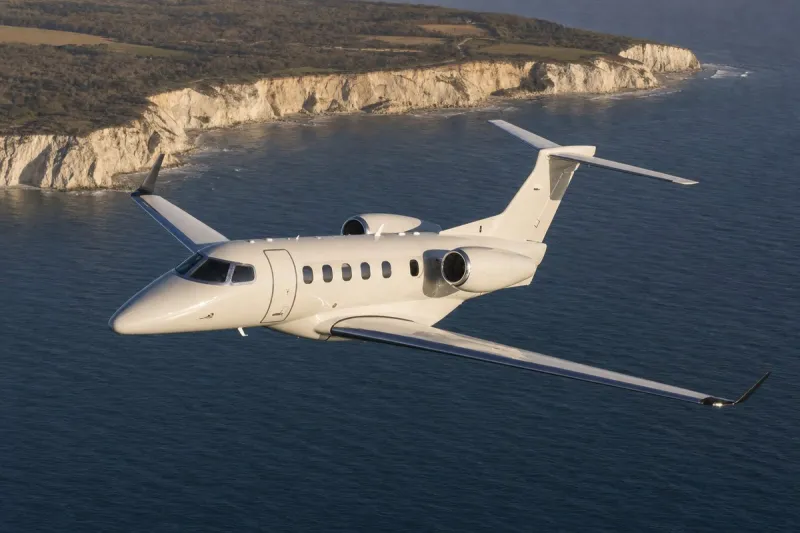
Aircraft category is described as the most significant factor moving a quote up or down: turboprops and light jets carry lower hourly rates than midsize or heavy jets, which offer greater cabin space, range and speed. Trip length affects total flight hours and fuel consumption, and smaller aircraft may need an extra fuel stop on longer routes. Positioning also matters — if an aircraft is already finishing a nearby trip, repositioning cost is minimal, but if the nearest suitable aircraft is several states away, those empty-leg miles are typically reflected in the price. Day of week and time of year shift pricing too, with peak travel windows, holidays and major event weekends reducing available supply and raising prices, while mid-week departures in quieter seasons often bring better availability.
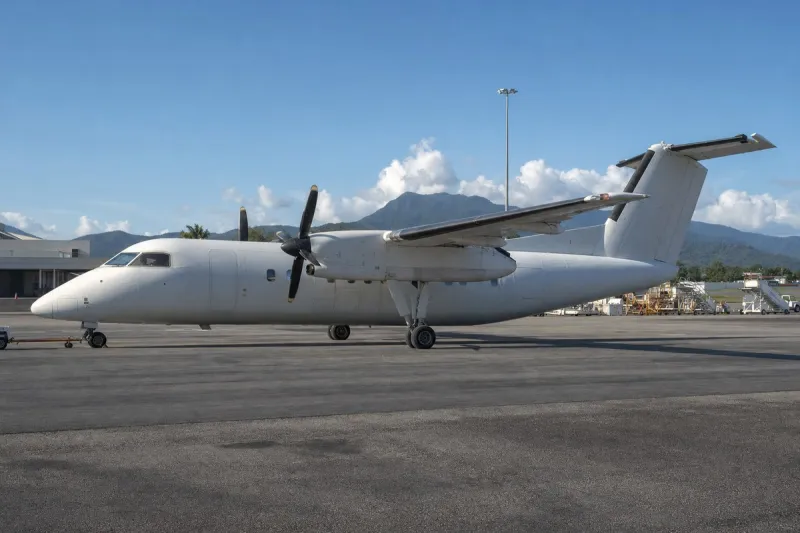
A standard charter quote generally covers the aircraft, professional crew, fuel, insurance and basic in-flight refreshments, while custom catering, ground transportation, de-icing, certain international fees, overnight crew expenses on multi-day trips and post-booking changes typically appear as additional charges. For shorter regional trips — such as flights from Nashville to Gulf Coast destinations, Chicago or nearby business markets — a turboprop such as the Pilatus PC-12 or a King Air, or a light jet, is often cited as the most cost-effective choice because these aircraft can also access smaller airports closer to many destinations, while midsize and heavy jets become more cost-justified on transcontinental routes or when carrying larger groups.
Industry impact & what to watch
This points to a broader feature of on-demand charter: there is no posted fare, because every quote reconstructs itself around aircraft availability, fleet positioning and calendar demand at the moment of booking. The hourly rate is only the starting building block; what actually moves the final number is where the nearest suitable aircraft happens to sit and whether the departure falls inside a high-demand window.
That structure rewards flexibility on the buyer side. Operators themselves note that shifting a departure date by even one day can change both which aircraft is available and what it costs, and that matching aircraft size precisely to passenger count and baggage avoids paying for unused cabin capacity. Both levers sit entirely within the customer's control, independent of which operator or broker is used.
The next useful signal for anyone comparing quotes is how a given price breaks down against the standard inclusions — aircraft, crew, fuel, insurance and basic refreshments — versus the additional items such as catering, ground transport, de-icing, international fees and overnight crew costs, since that breakdown is what determines whether two quotes for the same route are actually comparable.