Airlines challenge Adani plan to shift 265 Mumbai international departures to NMIA, demand consultant reports and capacity data
Why It MattersWhen an airport operator controls both the congested hub and the alternative destination airport, slot-transfer decisions draw sharper scrutiny from carriers seeking independent verification before accepting capacity shifts.
What happened
The Airline Operators Committee (AOC) has formally pushed back against a plan by Mumbai International Airport Limited (MIAL) to move 265 of Terminal 2's 770 weekly international departures — affecting 46 airlines — to Navi Mumbai International Airport (NMIA), about 50 km away. The transfer is intended to free slots for domestic flights displaced by the partial rebuilding of Terminal 1.
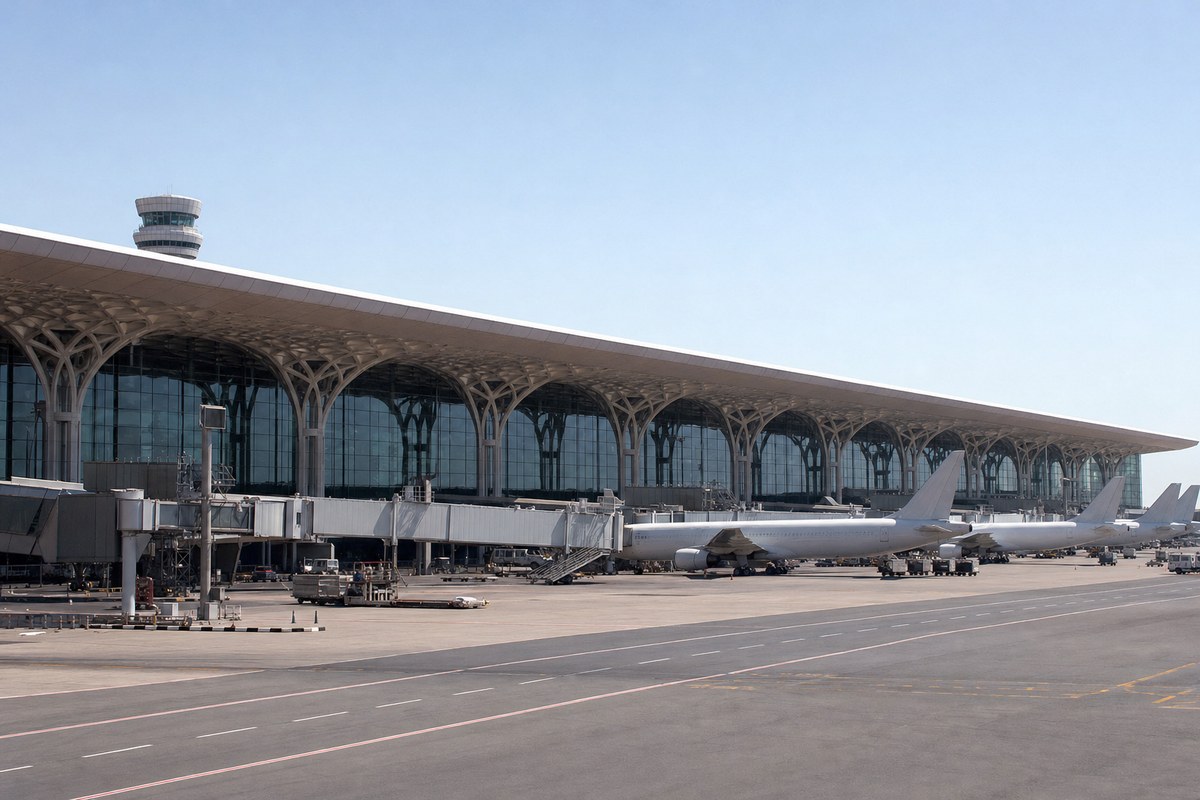
In a letter sent to MIAL on Friday, the AOC requested six additions to the agenda of a stakeholder meeting scheduled for October 13: the independent consultant reports MIAL has cited on Terminal 1's structural safety; a detailed presentation on the redevelopment plan; the status of Terminal 2's previously expected expansion, which was projected to add roughly five million passengers a year to capacity; month-by-month capacity utilisation figures for both terminals throughout 2026 against their declared capacity; the alternatives MIAL considered before proposing the transfer; and a formal review item.
MIAL had planned to begin demolishing and rebuilding the northern section of Terminal 1B in January 2027 and had asked airlines to either shift affected flights to NMIA or temporarily discontinue them from October 25. The airport operator has maintained the arrangement is necessary and that flight timings can be restored once Terminal 1's redevelopment adds capacity. Both airports are operated by the Adani group — NMIA directly and Mumbai through MIAL. The civil aviation ministry has intervened to defer the October 25 transition and has asked MIAL to work with airlines on a revised plan.
Industry impact & what to watch
This dispute belongs to a familiar category in airport economics: a terminal operator reallocating scarce slots during a redevelopment, and the carriers who depend on those slots demanding the underlying justification before accepting the cost of relocation. The AOC's central objection — that roughly one-third of the airport's international departures would move to a different airport entirely, not just a different terminal — sharpens that tension because NMIA is a separate facility 50 km away rather than a same-site reconfiguration.
The common ownership of both airports by the Adani group adds a layer that airlines are explicitly testing: when the party proposing the transfer also owns the receiving airport, independent verification of the safety case and the capacity math becomes the mechanism airlines lean on rather than trust in the operator's own assessment. That is why the AOC's six requested disclosures focus on paperwork — consultant reports, utilisation figures, the fate of a previously planned five-million-passenger expansion — rather than on the relocation plan itself.
The October 13 meeting, and whatever revised plan MIAL produces at the ministry's request, will show whether the standoff is resolved through disclosed data or through a narrower, negotiated version of the original transfer.