Peru to Cut Flight Permit Processing Time from 30 Days to 1 Business Day
Why It MattersWhen governments bundle permit speed with airport, fuel and handling discounts, route-launch economics shift enough that regulatory delay, not demand, becomes the binding constraint on new service.
What happened
Peru's Ministry of Transport and Communications presented an air connectivity incentive package on Friday, 9 October, that would cut flight permit processing times from 30 days to one business day, with operating permits reduced from up to 90 days to about 30 days. Transport Minister José Angello Tangherlini Casal and Paola Marín Ugarte, director general of civil aeronautics (DGAC), unveiled the plan, called the Kit de Impulso a la Conectividad Aérea, which targets airlines opening new routes across five areas: airport fees, fuel supply, ground handling, demand promotion and regulatory streamlining.

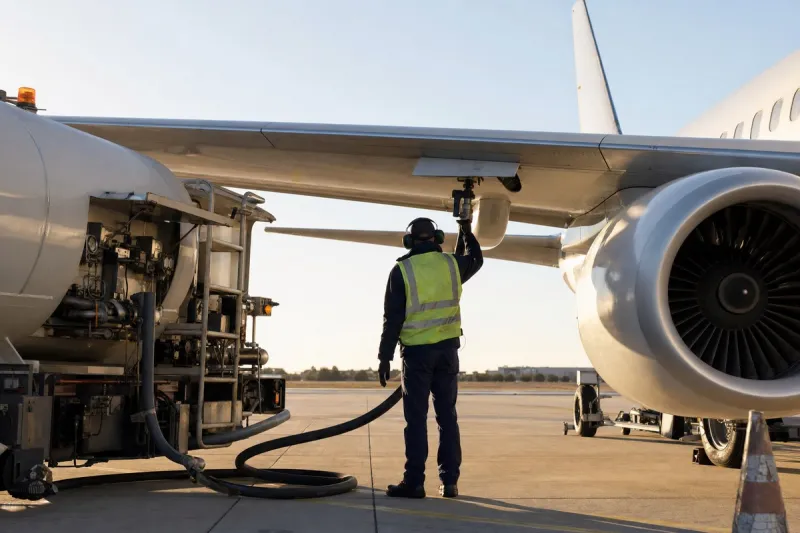
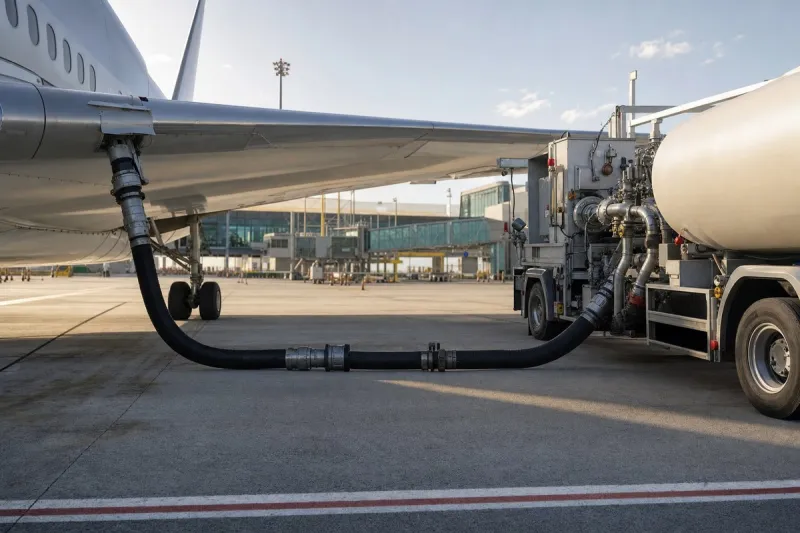
Three private airport operators holding state concessions are participating. AdP manages 12 airports, including Trujillo, Chiclayo, Piura and Iquitos; AAP manages five, including Arequipa, Juliaca and Tacna. The ministry estimates savings of at least US$19,000 a year in landing and take-off fees, with airport discounts potentially exceeding US$300,000 in the first year of a new operation. On fuel, suppliers Repsol and Valero will offer airlines preferential commercial terms; Repsol operates the La Pampilla refinery in Peru, and Valero is a refiner headquartered in San Antonio, Texas. The ministry estimates fuel savings of up to US$18,720 a year on intra-South American flights and about US$40,000 on intercontinental flights. Ground-handling firms Talma and SAASA will also offer benefits to reduce the cost of launching new operations.
The ministry said the plan covers Jorge Chávez International Airport in Lima as well as regional terminals in the north, east and south of Peru.
Industry impact & what to watch
This package belongs to a familiar category of government action: lowering the fixed administrative and cost barriers that discourage carriers from testing a new route before demand is proven. Permit timelines and airport, fuel and handling costs sit on the cost side of a route-launch decision, and when several of them move at once the breakeven point for a thin or seasonal route can shift meaningfully, even without any change in passenger demand.
How quickly this translates into new service depends on whether airlines actually find the combined savings, in the tens of thousands of dollars per route cited by the ministry, large enough to offset launch risk on specific city pairs. The ministry's statement named no airline as committed to using the incentives, and gave no decree, resolution or effective date for the faster permit processing.
The next signal to watch is whether a carrier announces a new Peruvian route citing these terms, and whether the one-business-day processing standard is formalized in a published regulation rather than remaining a policy announcement.