EASA Update Signals Reduced Overflight Risk in Syrian Airspace, Two Asian Airlines Set to Begin Use
Why It MattersGradual easing of airspace risk assessments shapes how carriers rebuild overflight routings in recovering regions, with early movers signaling confidence that can draw broader traffic back over time.
What happened
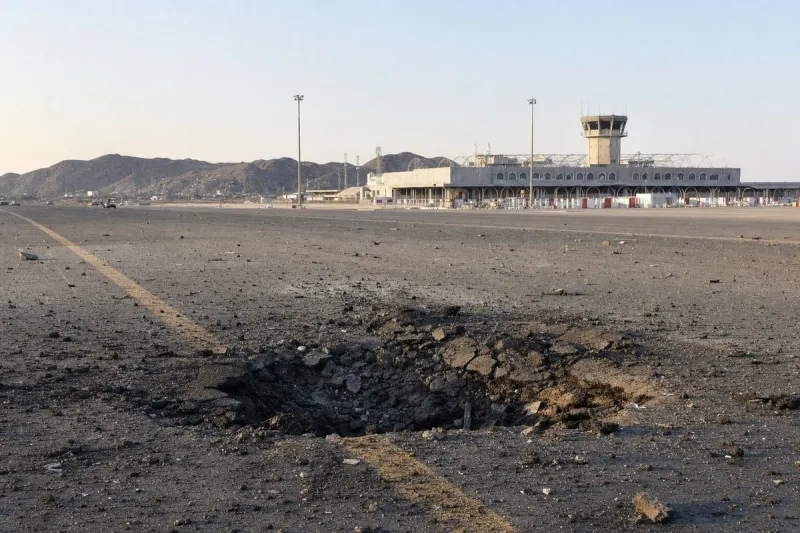
Omar Hosari, President of Syria's General Authority of Civil Aviation and Air Transport, said in a post on X on Friday that a recent update from the European Union Aviation Safety Agency (EASA) reflects progress in assessing the safety of Syrian airspace, including a reduction in risk levels for overflights at higher altitudes and the possibility of using specific sections of the airspace under approved technical requirements.
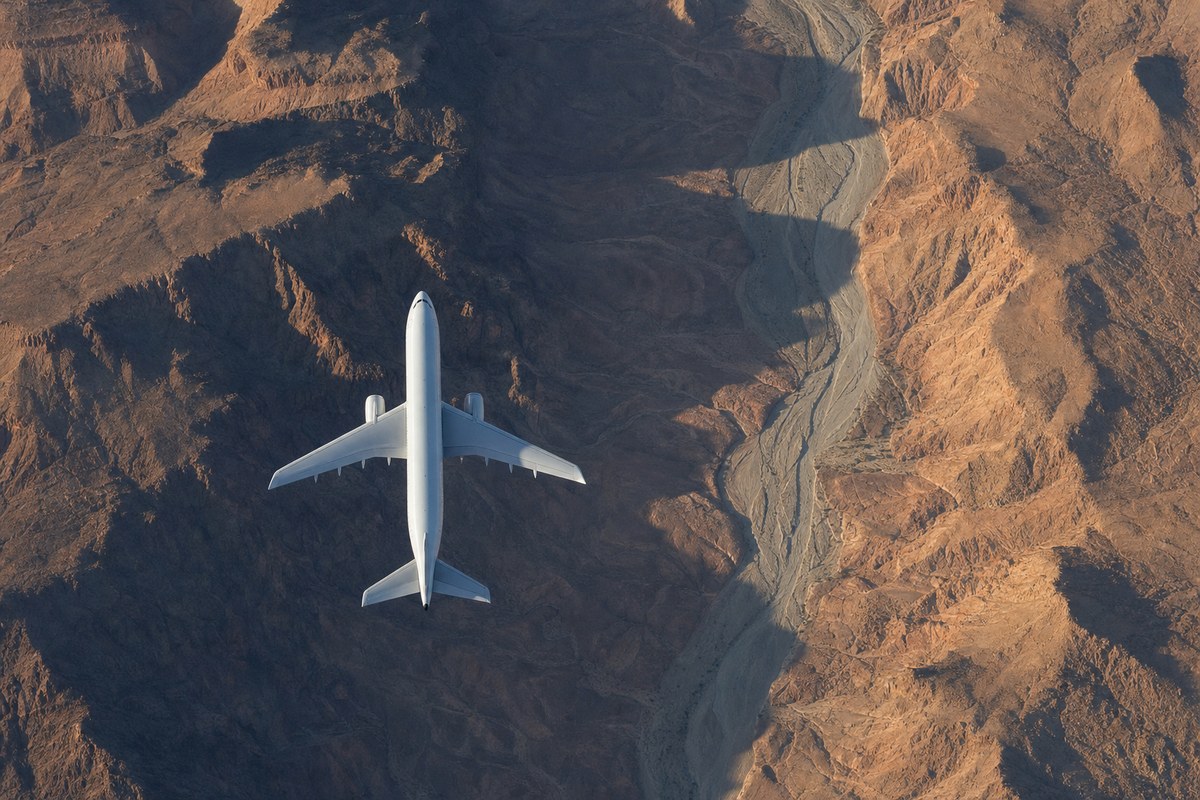
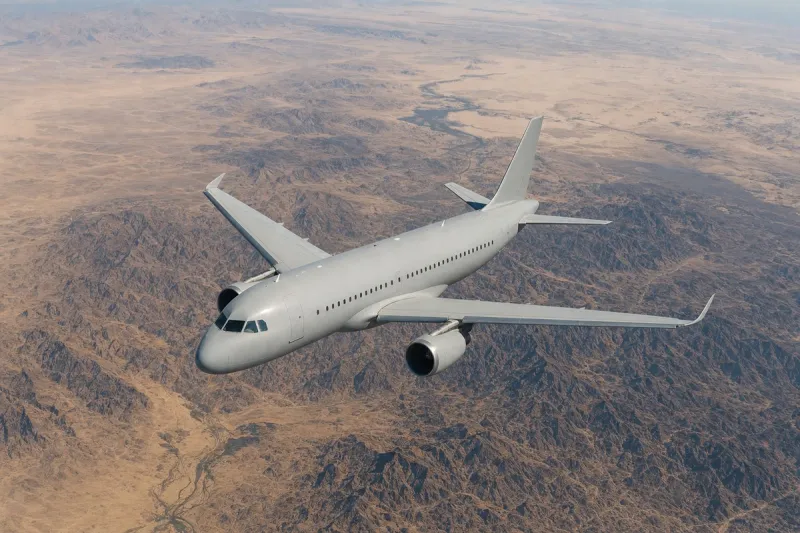
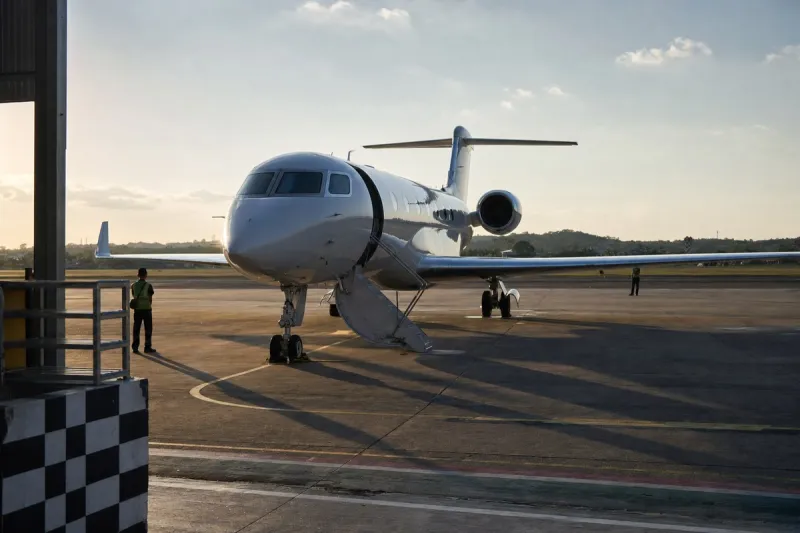
Hosari said the development coincided with a meeting between the authority, the European Union mission and heads of European missions in Syria, at which practical steps to strengthen cooperation and air connectivity with Europe were discussed. He said two Asian airlines are preparing to begin using Syrian airspace by the end of October, which he said indicates increasing overflight traffic and growing confidence in the country's airspace. He added that the authority is continuing technical work and international coordination to address remaining restrictions, with the aim of restoring Syrian airspace's full role in the international air navigation network.
Last month, the authority adopted air route L602 following months of technical studies, aircraft traffic simulations and coordination with neighbouring countries and relevant organisations, as part of a broader project to develop Syria's air route network and improve airspace efficiency. Last Wednesday, Hosari also met with heads of European Union missions in Syria to discuss ways to strengthen cooperation in civil aviation and air transport.
Industry impact & what to watch
Airspace risk assessments like EASA's are typically revisited in stages as ground conditions and technical coordination improve, and each incremental downgrade in risk level tends to open specific altitude bands or route segments before a full reopening is considered. Overflight traffic matters commercially to a civil aviation authority because transit fees and route efficiency gains accrue even without any domestic air service, so the arrival of named international carriers willing to route through a previously avoided airspace is often treated as a confidence signal by other operators watching from the sidelines.
The adoption of route L602 after months of simulations and coordination with neighbouring states shows the kind of technical groundwork that normally precedes any change in a foreign regulator's risk posture, since agencies such as EASA weigh demonstrated air navigation capability alongside security conditions. Whether the two Asian airlines preparing to use Syrian airspace by the end of October actually commence operations, and whether other carriers follow once EASA's updated guidance is published in full, will indicate whether this phase of easing continues or stalls at higher-altitude overflights alone.