Bengaluru's Kempegowda International Airport delays simultaneous runway departures to early next year
Why It MattersAirport capacity upgrades hinge less on physical equipment than on integrating new systems into air traffic control automation and clearing regulatory approval, stretching timelines well past installation.
What happened
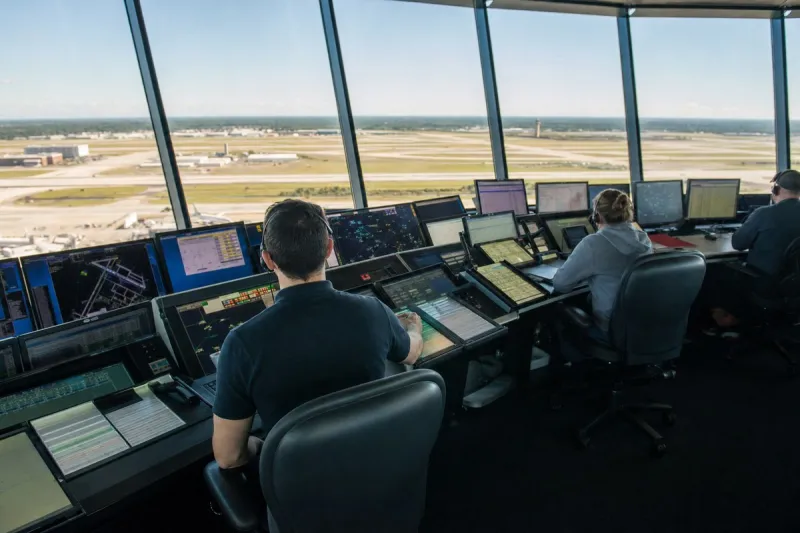
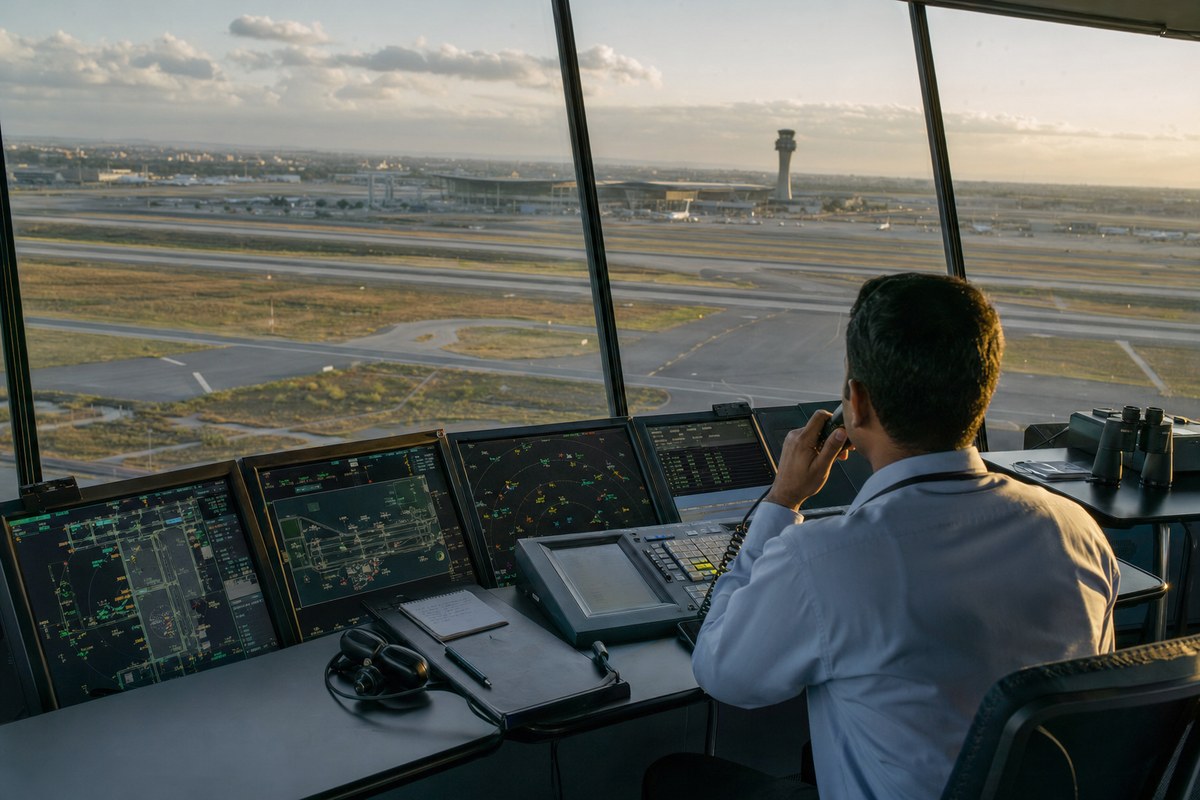
Simultaneous departures from both runways at Kempegowda International Airport (KIA) in Bengaluru are now expected to be commissioned only early next year, later than an earlier informal target of September 2026 that Bangalore International Airport Limited (BIAL) representatives had shared with local media. An Airport Authority of India (AAI) official told local media that equipment installation is complete, but integration into the air traffic control automation system, along with verification and testing, remains in progress. "Once all the problems are resolved, we are hoping it will be commissioned early next year," the official said.
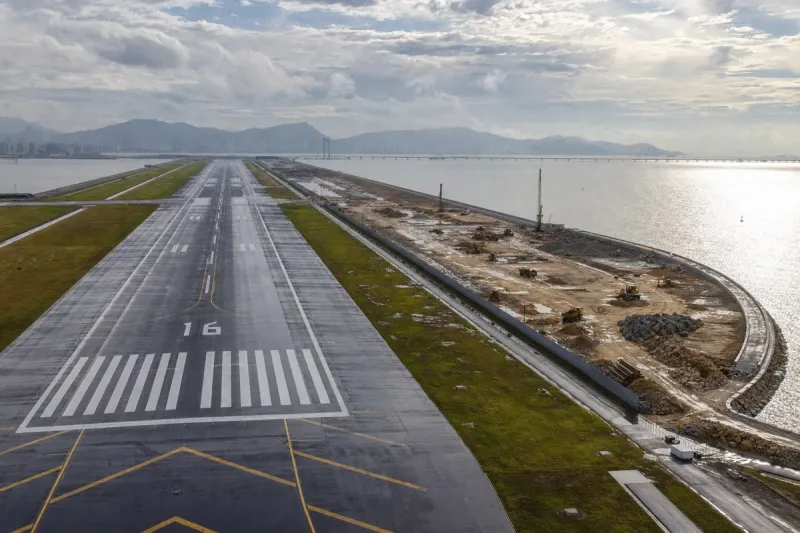
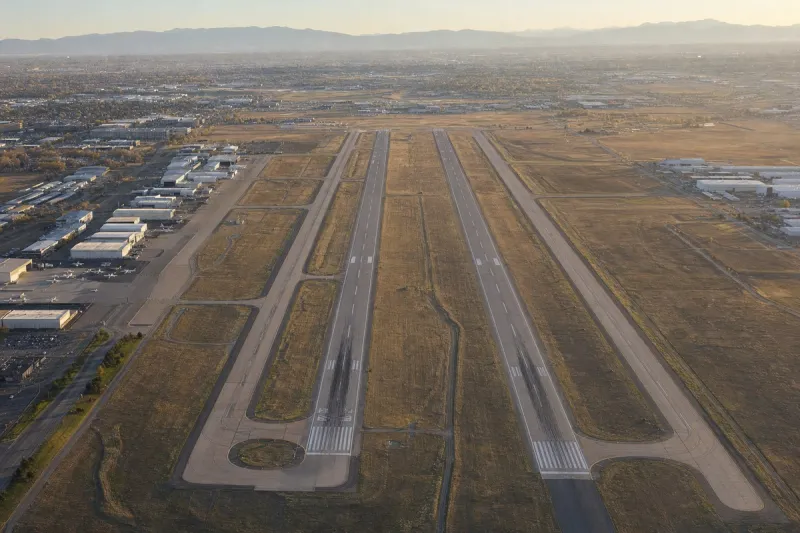
The planned semi-mixed mode operations would allow simultaneous departures from both the airport's north and south runways. Currently the two runways operate in a staggered manner, with the south runway used for departures during peak hours and the north runway used during non-peak hours. The change is expected to raise air traffic movement (ATM) capacity from 60 ATMs per hour to 90. The airport currently handles around 700 ATMs per day, down from 840 before air traffic was affected by tensions in West Asia. After semi-mixed mode operations are introduced, it could take approximately two years for operations to fully stabilise as procedures are refined and operational challenges addressed.
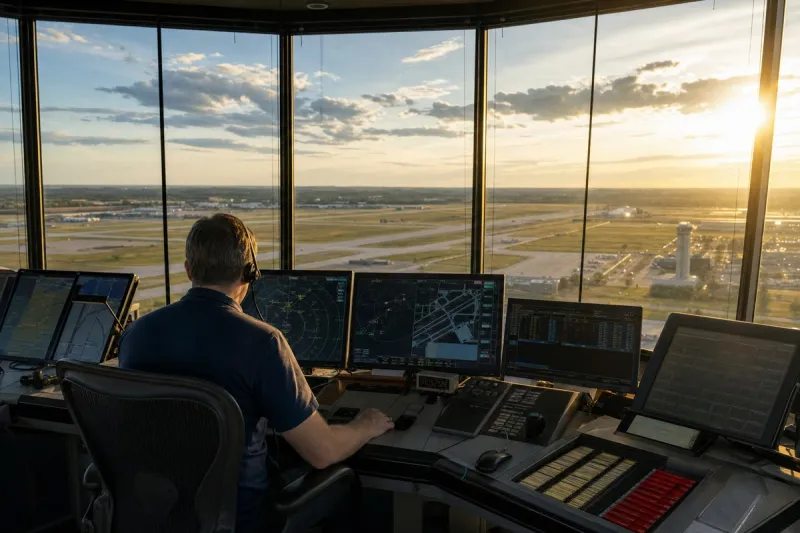
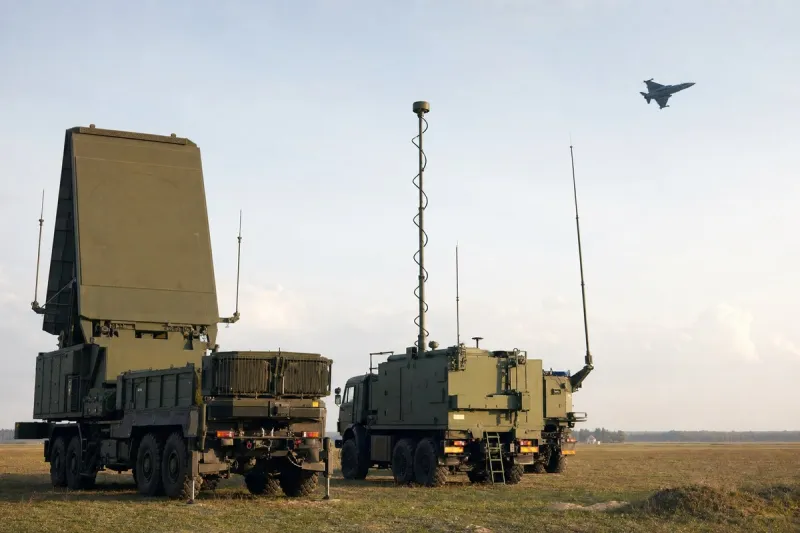
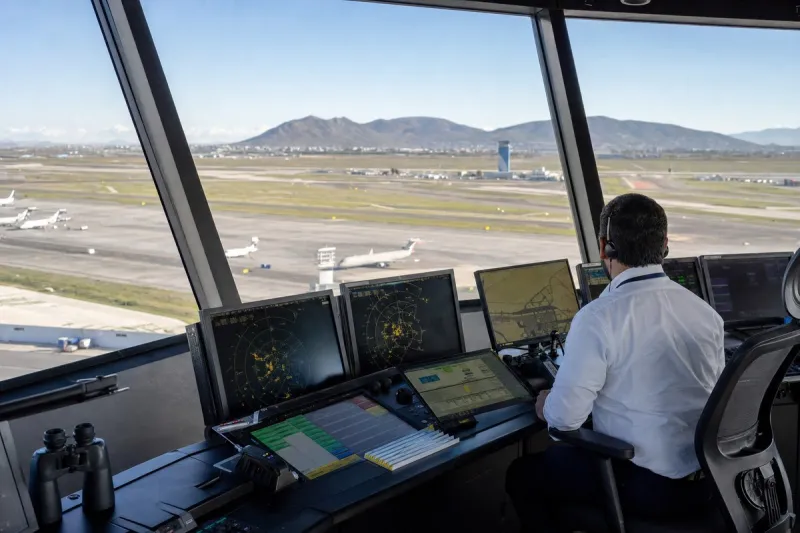
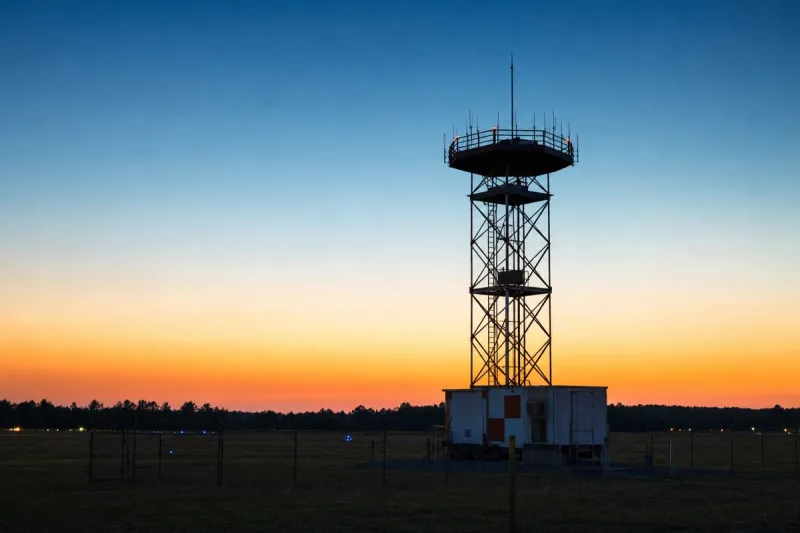
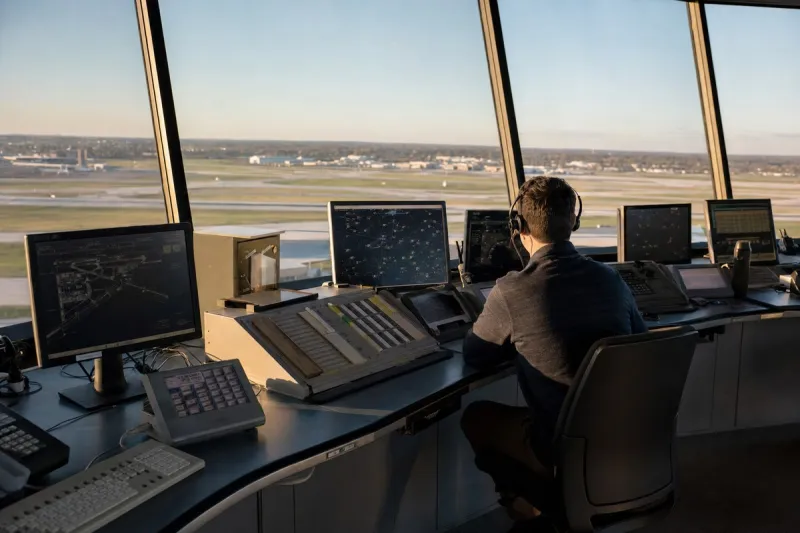
Key equipment for simultaneous departures includes Surface Movement Radars (SMRs) to monitor aircraft movements and alert controllers to deviations from designated flight paths, alongside a new ATC automation system to provide safety alerts. Separately, KIA has already begun trials of a Point Merge system, an air traffic management procedure for organising arriving aircraft along structured routes, which was introduced in September. BIAL noted that semi-mixed mode operations remain subject to the necessary regulatory clearances.
Industry impact & what to watch
Delays like this one are common when an airport tries to move from staggered to simultaneous runway use: the hardware can be installed on schedule while the software and procedural layers that actually make it safe to operate take longer to certify. Surface movement radars and a new ATC automation system have to be verified and tested together before controllers can rely on them for parallel departures, and that integration work is where timelines usually slip.
Dual-runway capacity gains of this kind do not translate into immediate throughput once commissioned. KIA's own estimate that full stabilisation could take about two years after the semi-mixed mode launches shows that the jump from 60 to 90 ATMs per hour is a ceiling, not a day-one outcome, as controllers and operators adjust to new separation procedures.
What happens next depends on the regulatory clearances BIAL says are still required, and on whether the ATC automation integration clears verification without further setbacks. The Point Merge trials already underway for arrivals offer a separate, running indicator of how smoothly KIA can bring new air traffic procedures into live operation.