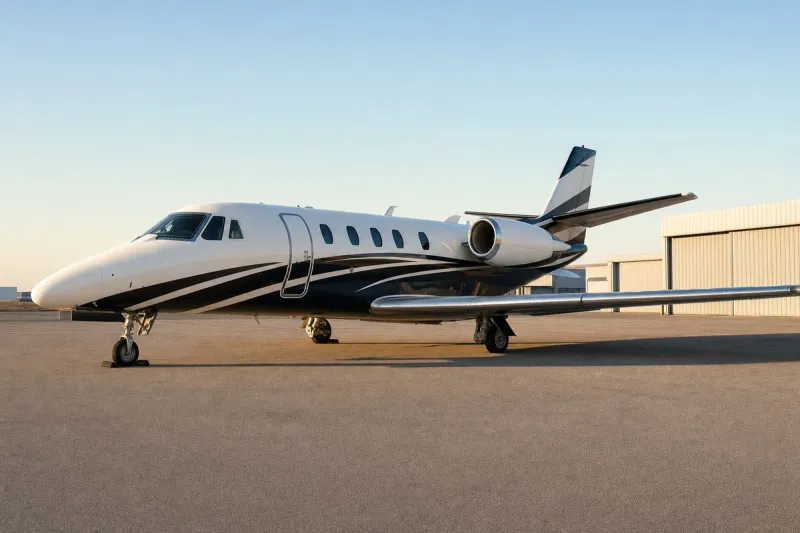
Original Citation M2 Pre-Owned Values Range from $3.85M to $4.9M in H1 2026 as Gen2 and Forthcoming Gen3 Shape Market
Why It MattersIn light jet resale markets, newer variant pricing and program enrollment set reference ceilings that compress value for earlier airframes even when performance specifications remain unchanged.
What happened
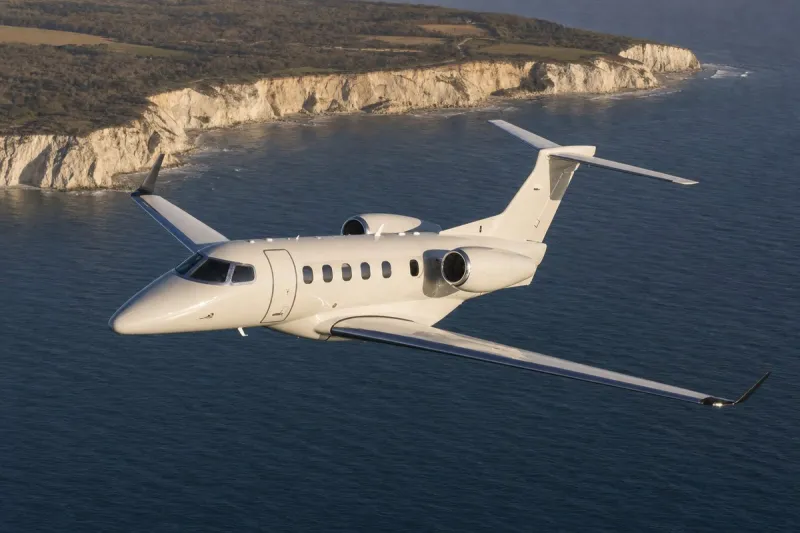
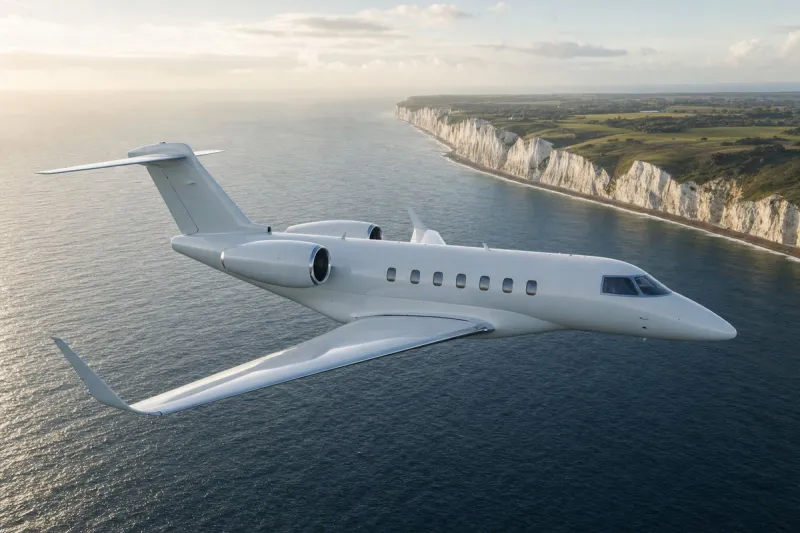
The pre-owned market for the original Cessna Citation M2 is being shaped by the current Citation M2 Gen2 and the forthcoming Citation M2 Gen3, which completed its first flight in June 2026 ahead of a planned 2027 service entry. During the first half of 2026, approximately 12 to 18 original Citation M2 examples were visible on major pre-owned aircraft platforms.
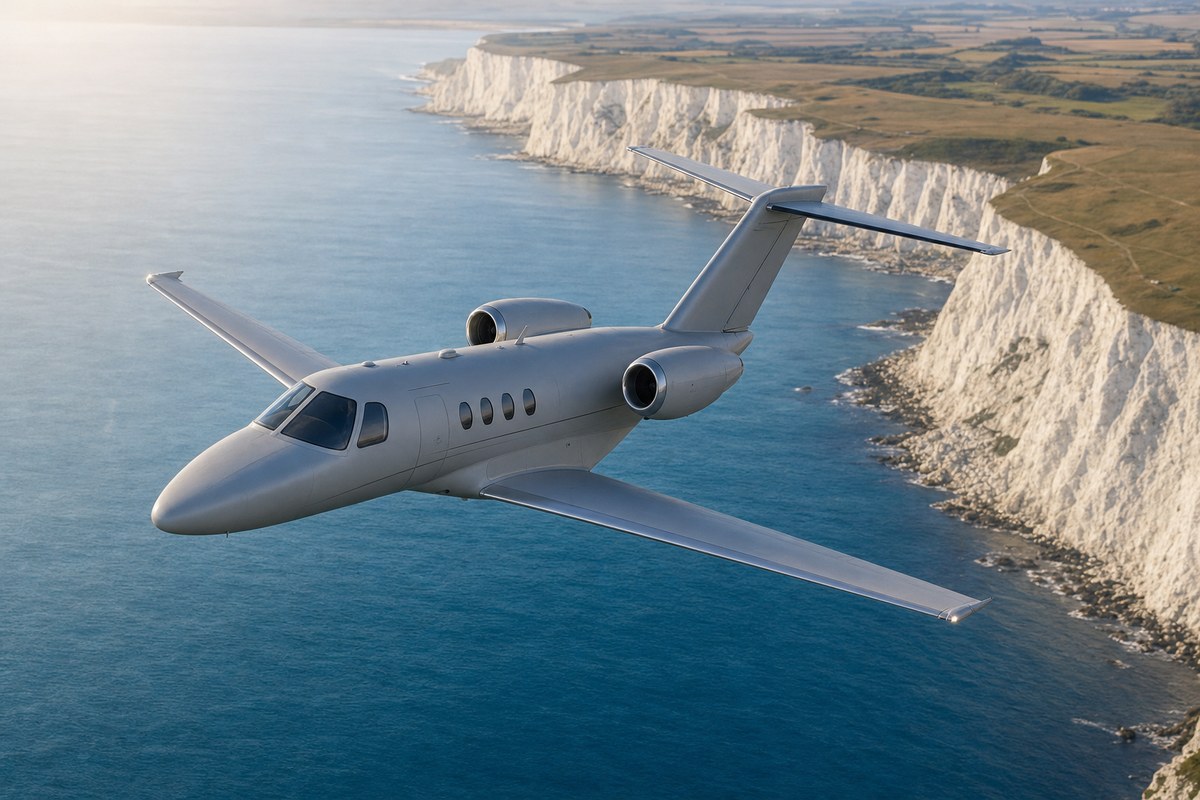
Early 2013–2015 examples with higher total time transacted in the $3.85 million to $4.2 million range, while later 2018–2021 examples with lower hours and current programme enrollment commanded $4.5 million to $4.9 million. Gen2 asking prices of $5.35 million to $5.9 million created a reference ceiling for original M2 pricing, with a typical price gap of approximately $800,000 to $1,000,000 between a 2020 M2 and a comparable Gen2 example. Buyers evaluating the original M2 prioritise Williams TAP Blue or TAP Advantage Blue engine programme enrollment, total airframe time and engine hours, Doc 10 (36-month inspection) currency, and clean ownership history. The FJ44-1AP-21 engine has a TBO of 3,500 hours, and the Garmin G3000 4.8 Prime software upgrade, which introduced TCAS II integration, along with Tamarack Active Winglet installation — documented to add approximately 50 nautical miles of range and improve climb rate — are cited as meaningful differentiators in active listings.
The original Citation M2 entered service in 2013 as an evolution of the Model 525 airframe, powered by Williams FJ44-1AP-21 turbofans producing 1,965 pounds of thrust each, delivering ten to fifteen percent more cruise thrust than the CJ1+ engines they replaced. It is equipped with a Garmin G3000 touchscreen avionics suite with three LCD displays, certified for single-pilot operation, capable of operating from runways shorter than 3,000 feet, and achieves a maximum range of approximately 1,550 nautical miles at a high-speed cruise approaching 404 knots. More than 250 original M2 units were built. Three aircraft appear consistently on buyer shortlists alongside the original M2: the Citation M2 Gen2, the Embraer Phenom 100EV, and the HondaJet Elite II. The Phenom 100EV typically trades in the $2.5 million to $3.5 million pre-owned range and offers a wider cabin at 5 feet 1 inch versus the M2's 4 feet 9 inches, but has a shorter maximum range of approximately 1,178 nautical miles. The HondaJet Elite II trades in the $4.2 million to $5.2 million used range and achieves a higher cruise speed of approximately 415 knots. All four aircraft share Garmin G3000 avionics and single-pilot certification. The Gen2's improvements over the original M2 are confined to interior and cockpit features — wireless charging, USB-A and USB-C ports at every seat, redesigned upholstery, improved cabin lighting, a sturdier airstair and additional noise reduction — with no performance differences between the two variants.
Industry impact & what to watch
This pricing structure illustrates how a single-pilot light jet programme stratifies resale value once a newer variant enters the fleet: the Gen2's asking range sets a ceiling that pulls original M2 values downward even though the underlying airframe and engine performance are unchanged between versions. Buyers are effectively pricing programme enrollment, inspection currency and avionics software currency as much as the airframe itself, since the Gen2 premium reflects cabin amenities rather than any flight-performance delta.
The segment's mechanics depend on documentation: Williams TAP enrollment status, Doc 10 currency, and total airframe and engine hours function as the levers that move a given example between the lower and upper bands of its cohort, while upgrades like the Garmin G3000 4.8 Prime software and Tamarack Active Winglet installation let individual aircraft close part of the gap to Gen2 asking prices without a full airframe change.
The Gen3's first flight and targeted 2027 service entry is the development most likely to reset this structure again, since a new variant typically pushes both the original M2 and Gen2 further down the price ladder as it approaches certification and delivery. Shortlist competition from the Phenom 100EV and HondaJet Elite II, which trade in overlapping price bands but differ on cabin width and range, keeps buyer attention on how those specification trade-offs weigh against the M2's price position as the Gen3 timeline progresses.