Airbus Corporate Jets Forecasts Middle East Large Business Jet Flying Up to 83% Higher by 2030
Why It MattersRegional demand concentrated in the largest cabins, alongside an ageing fleet nearing 15 years in service, points to a replacement cycle shaped as much by fleet age as by new demand.
What happened
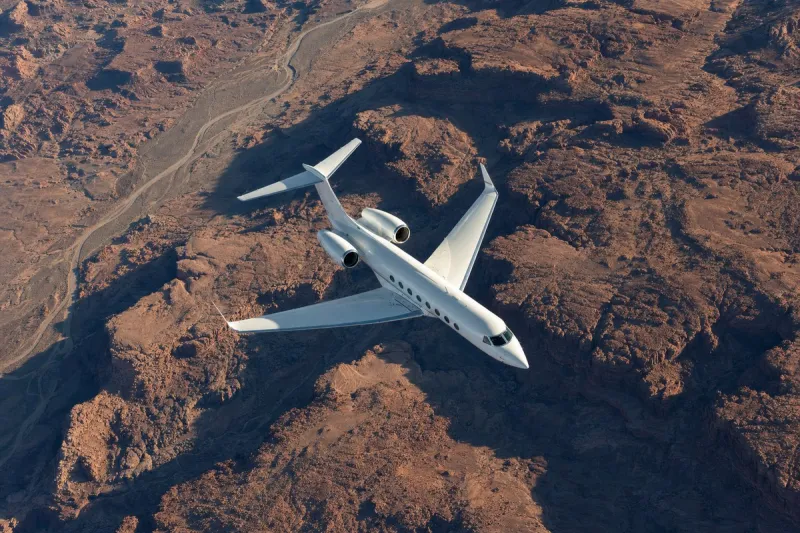
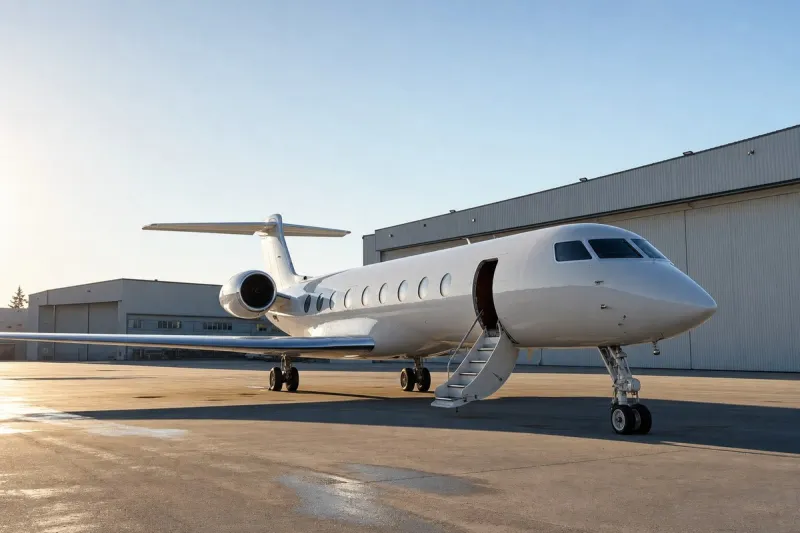
Airbus Corporate Jets says large business jet activity in the Middle East could rise by as much as 83% by 2030, according to its latest regional survey. The survey covered 35 financiers and brokers in the Middle East.

The same survey forecast light jet activity to grow 80% and midsize jet activity to grow 78% over the same period. Airbus says the Middle East already accounts for roughly one-third of demand for the very largest business jets, including VIP-configured airliners.
The survey also found that around 40% of business aircraft in the region are at or approaching 15 years in service.
Industry impact & what to watch
The forecast is a manufacturer-commissioned view built on the opinions of financiers and brokers, the people who see transactions and financing appetite first. That gives it weight as a read on deal flow, but it is a sentiment-based projection of activity, not a delivery order book, and the gap between the two is where most forecasts of this kind are tested.
The spread between the three segments is narrow, with light, midsize and large jets all projected to grow within a few percentage points of each other. A region that already takes about a third of demand for the largest cabins and still expects broad growth across smaller categories suggests the expansion is not confined to the VIP end of the market.
An ageing installed base matters for how that demand gets met. With about 40% of aircraft at or near 15 years in service, a share of future activity will come from replacing existing airframes rather than adding new ones, which ties the forecast to the pre-owned market and to financing availability as much as to new-build slots. The figure to track is how much of the projected activity shows up as actual aircraft movements and transactions in the region as 2030 approaches.