Aurelius Completes Acquisition of Marshall Aerospace
Why It MattersPrivate-equity ownership of a defense-focused MRO house shows how capital is being matched to military support work, while an unresolved site move leaves the buyer's growth plan tied to a facility question.
What happened
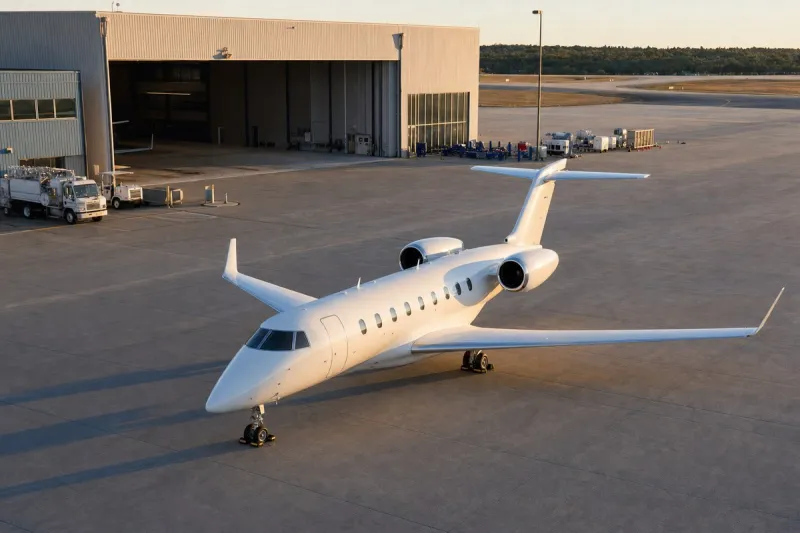
German private equity investor Aurelius has completed its acquisition of UK-based maintenance, repair and overhaul (MRO) provider Marshall Aerospace. The sale of the Hercules specialist, announced to investors in early September, was formally completed on Oct. 8 after approval by shareholders, the UK government and Austrian competition authorities.
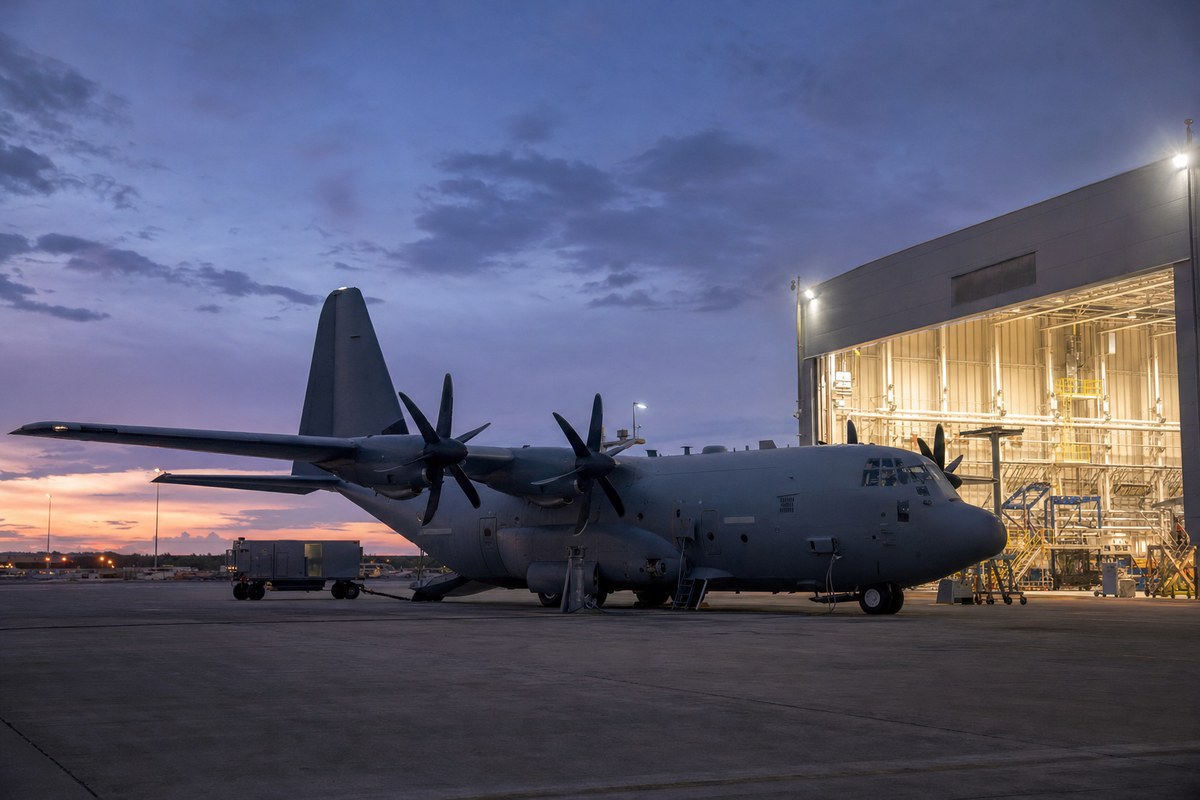
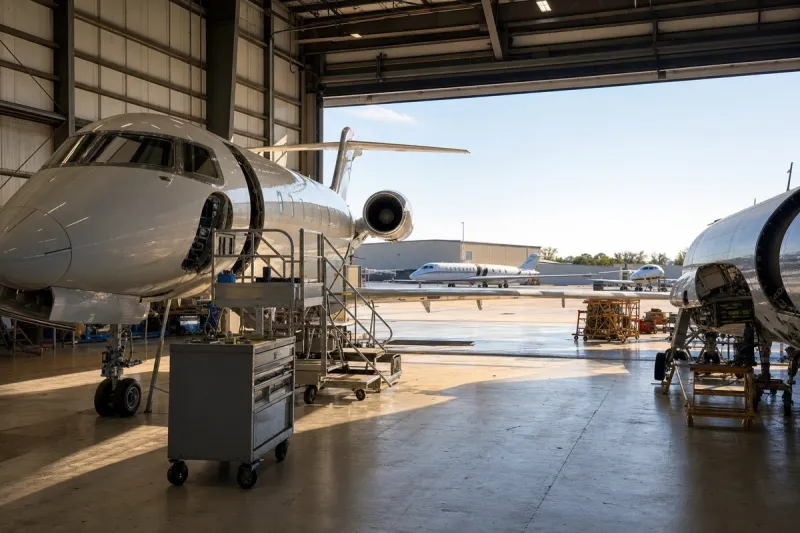
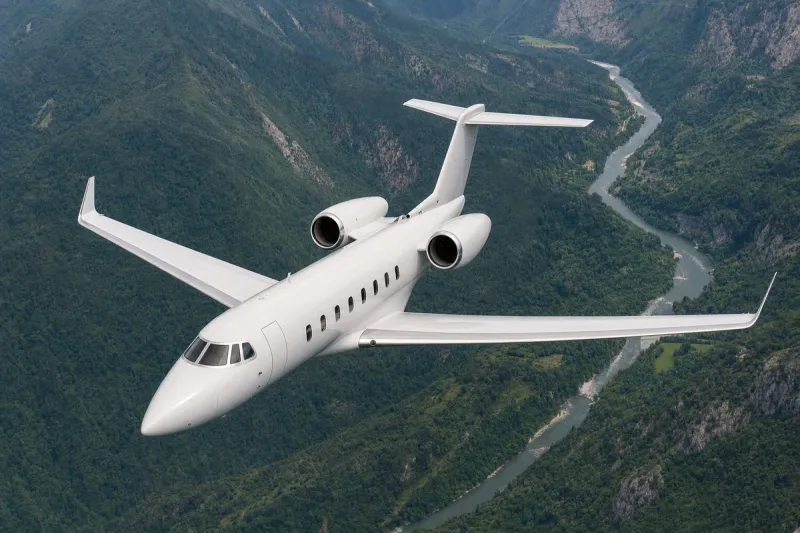
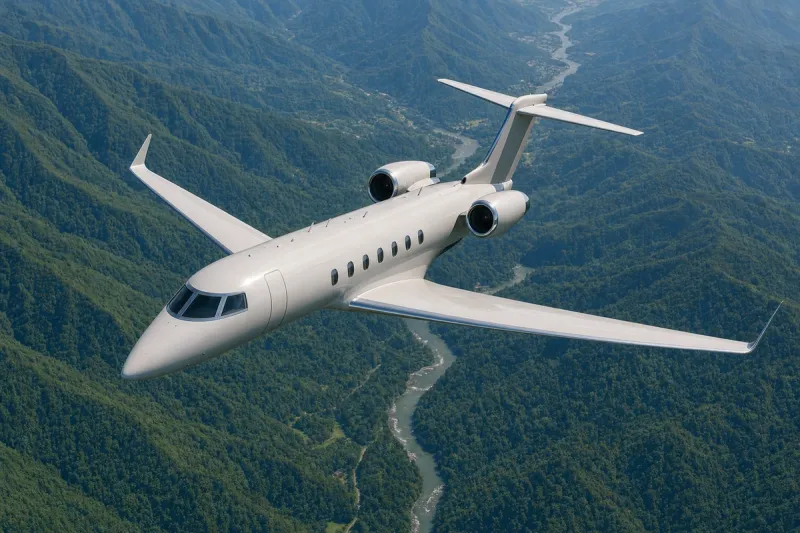
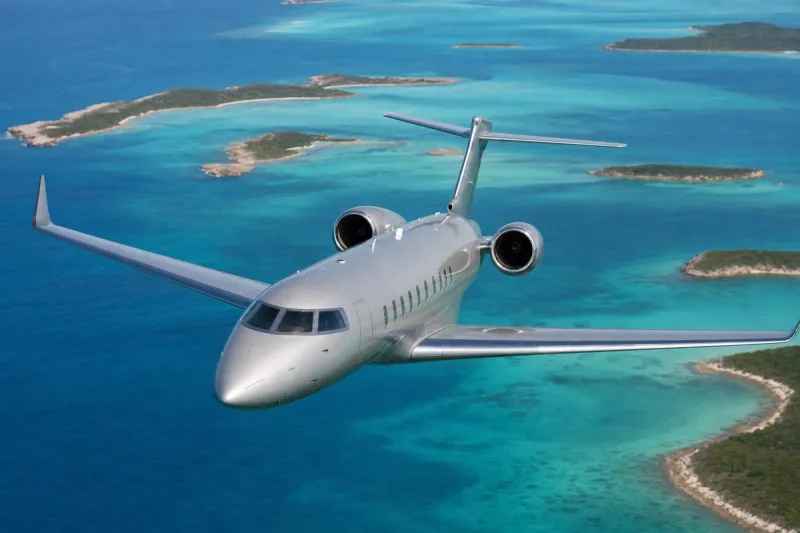
Marshall Aerospace provides MRO services to a growing number of Lockheed C-130J Hercules operators. It is modifying and upgrading 12 ex-Royal Air Force C-130Js for the Turkish Air Force, after receiving U.S. International Traffic in Arms Regulations (ITAR) approvals. Its earlier work includes converting Lockheed Tristars into tankers for the UK Royal Air Force, building the drooping nose for Concorde, and developing the Project Dolphin signals intelligence aircraft, based on the Bombardier Global 6000 business jet, for the United Arab Emirates.
Marshall Aerospace CEO Bob Baxter called the takeover an "important new chapter" for the company, saying Aurelius has "the expertise and resources to back our next phase of growth and capitalize on emerging opportunities as the defense industry continues to transform."
The Cambridge site and the move
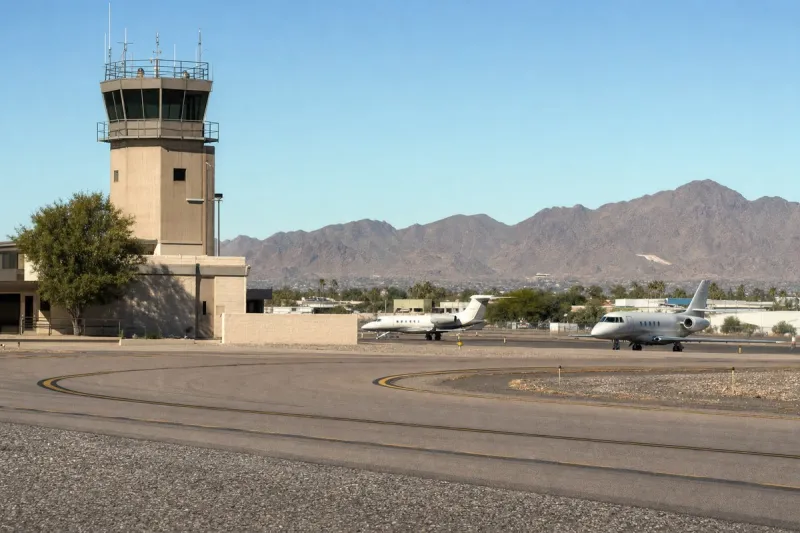
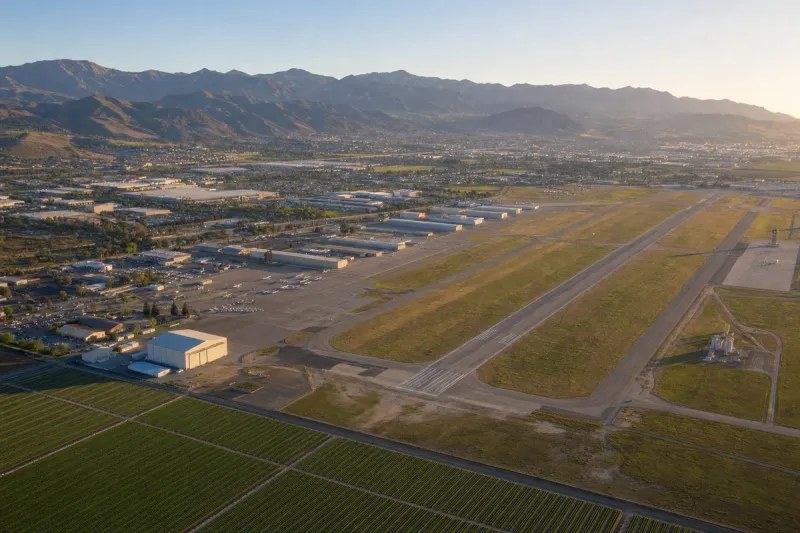
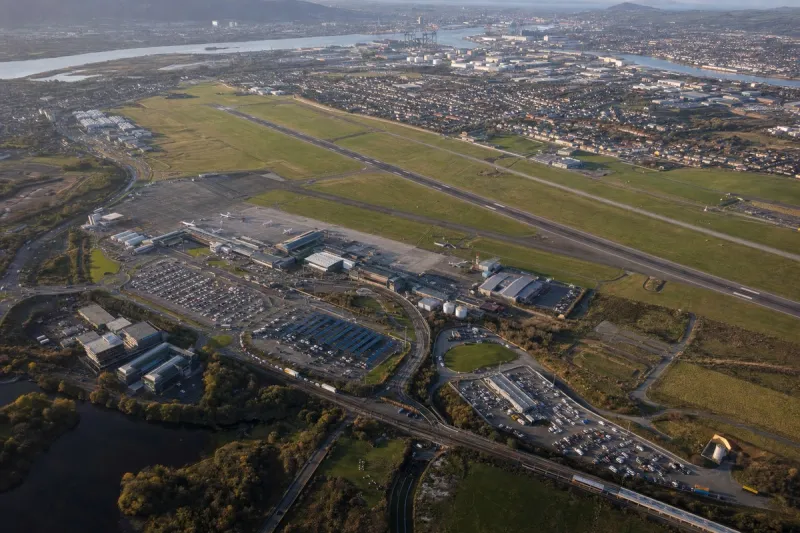
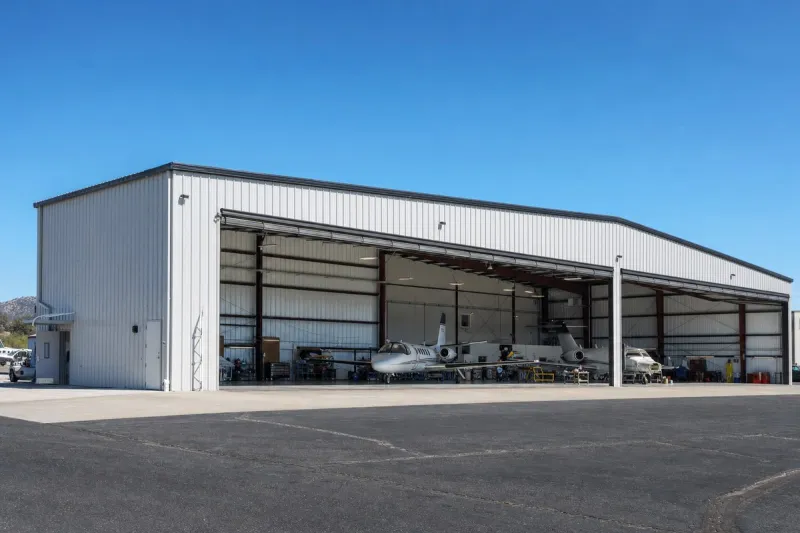
The company must now plan its relocation from its existing facilities in Cambridge, England, to a new site that has yet to be disclosed. It needs to vacate Cambridge Airport by the end of June 2029 and will cease normal trading there by March 31 of that year, as the airport is to be redeveloped for housing.
A plan to move to Cranfield airport was halted last year because of cost concerns.
Industry impact & what to watch
Marshall's profile is that of a specialist whose value rests on a narrow set of military platforms and the export approvals that go with them. The ITAR clearance behind the Turkish Air Force C-130J work is the kind of credential that cannot be assembled quickly, which is why a financial buyer with a growth mandate can see a defense-support MRO house as a platform rather than a one-off asset.
The relocation sits underneath that growth story. A hangar-based MRO business is only as scalable as its floor space, and a fixed vacate date of end-June 2029, with normal trading at Cambridge ending on March 31 of that year, puts a hard clock on any expansion plan. The halted Cranfield move shows that cost, not just availability, can derail a site decision.
The next item that settles the question is the naming of the new site, which has yet to be disclosed. Until it is, Aurelius's growth ambitions and the Turkish Air Force work are being planned against a base that has not yet been identified.