Spatial Composite Solutions Converts Bombardier Challenger 605 Into Cabin Emergency Evacuation Trainer for CrewSafety Australia in Melbourne
Why It MattersTraining a crew on a real airframe instead of a purpose-built mock-up shows how emergency-procedures training for small-cabin operators is shifting toward authenticity, with retired or surplus business jets becoming training assets.
What happened
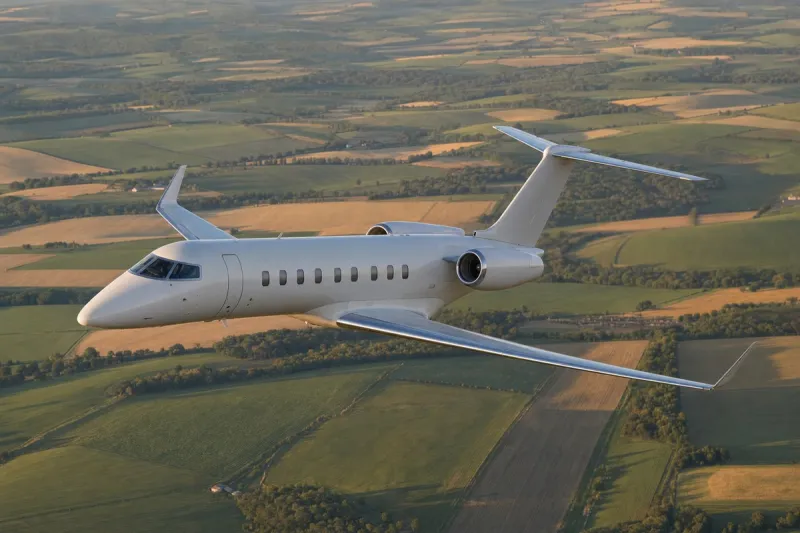
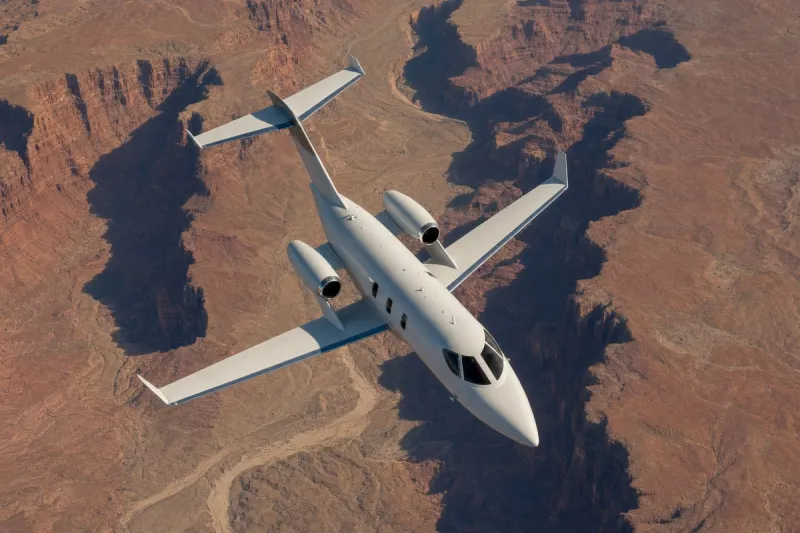
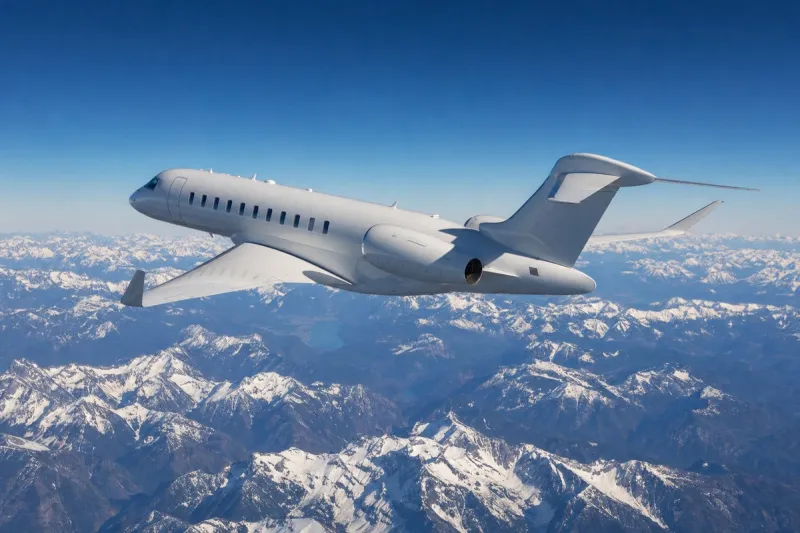
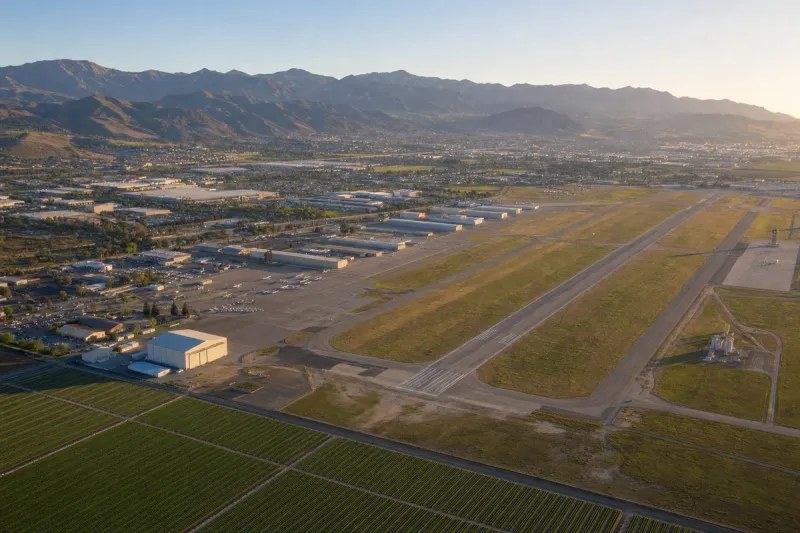
UAE-based training equipment manufacturer Spatial Composite Solutions is working with CrewSafety Australia to convert a Bombardier Challenger 605 business jet into a Cabin Emergency Evacuation Trainer (CEET). The device is destined for CrewSafety's training facility in Melbourne, Australia, at Tullamarine near Melbourne Airport.
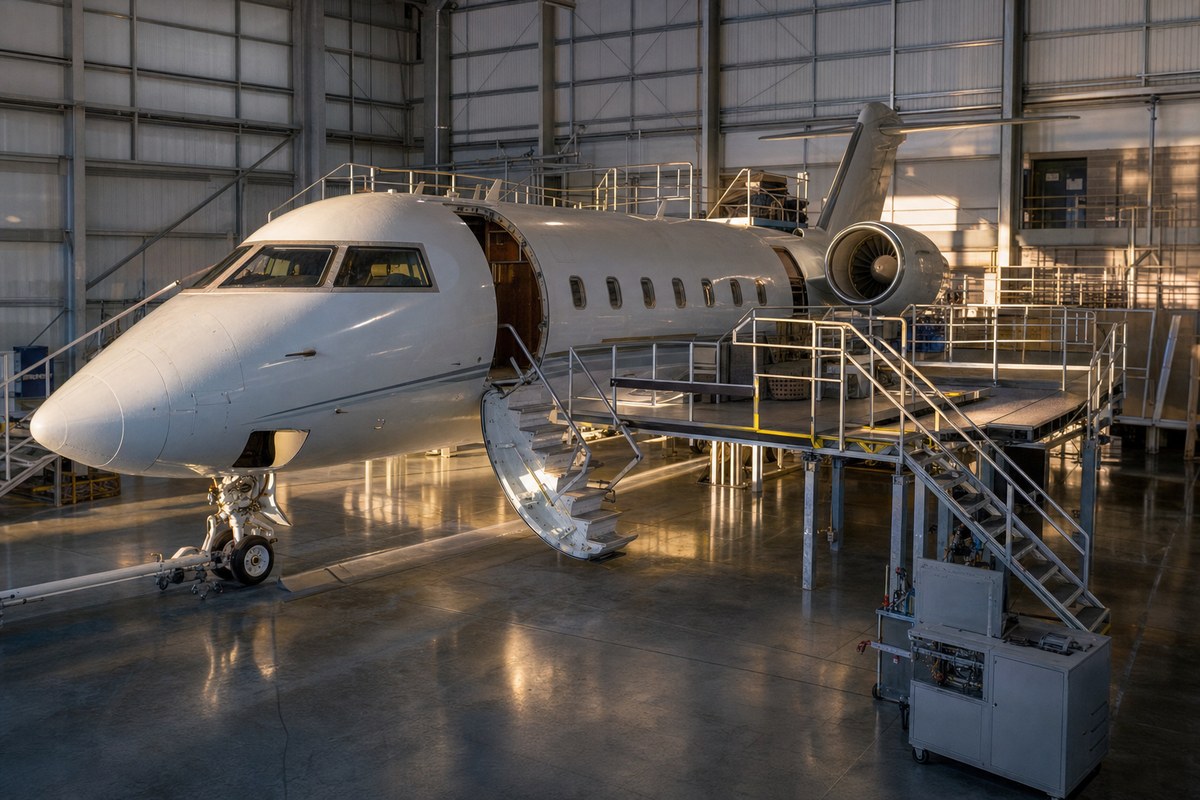
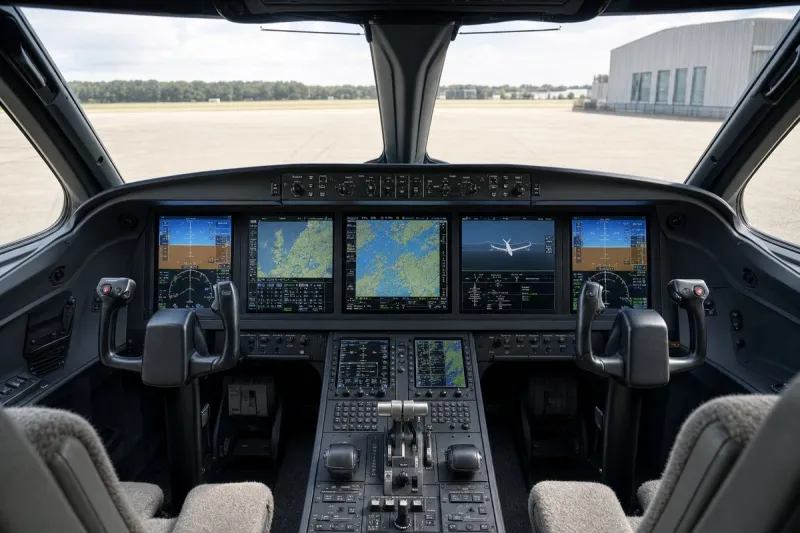
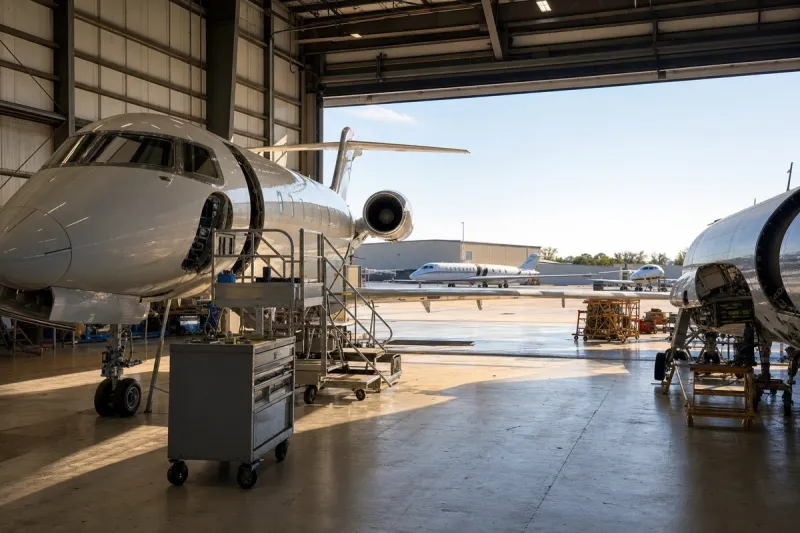
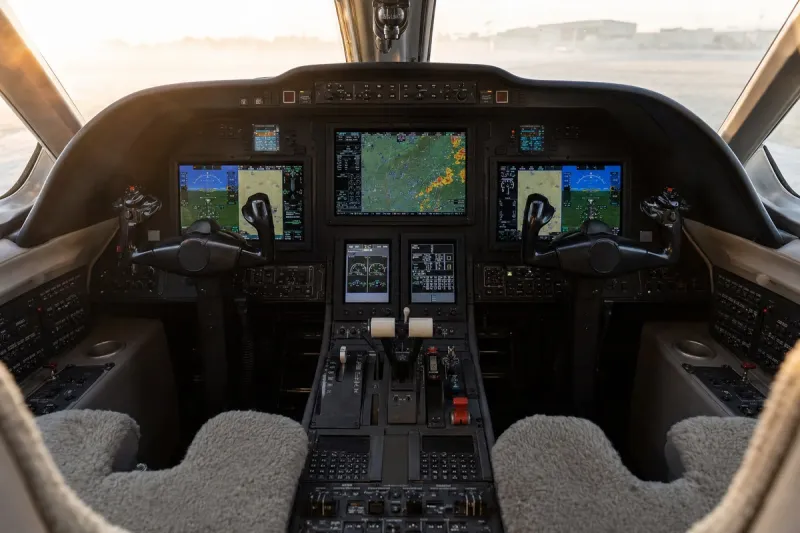
The conversion starts from an original Challenger 605 rather than a purpose-built simulator structure, and it preserves the aircraft's existing cabin, galley and flight deck. Spatial's engineering scope covers integrating a new training door, replacement electrical systems and visual simulation systems into the existing airframe. The modifications are intended to enable emergency training scenarios while keeping the aircraft's original configuration.
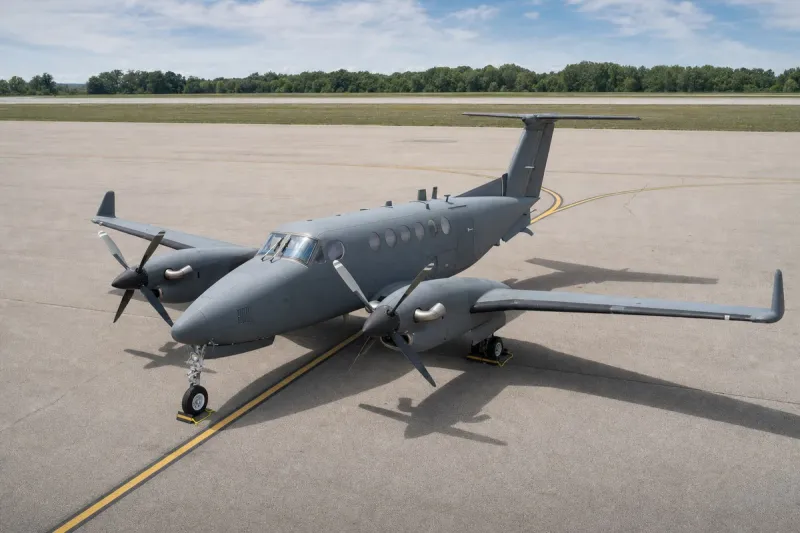
Once operational, the trainer will serve business aviation personnel as well as crews involved in intelligence, surveillance and reconnaissance (ISR), law enforcement, rescue and aeromedical operations. It will support aircraft evacuation exercises and scenario-based crew response training. In July 2026, CrewSafety expanded its Tullamarine infrastructure by commissioning a cabin fire and smoke trainer.
A Spatial representative said it is exceedingly rare to be offered an airframe in such good and complete condition, and that the challenge has been integrating the functionality CrewSafety needs while retaining the original business jet's authenticity wherever possible. A CrewSafety representative said that in an emergency crews need to make decisions and act quickly in an environment they know, which is why the company chose to start with a real aircraft.
Spatial Composite Solutions was founded in 2007 and is headquartered in Ras Al Khaimah, United Arab Emirates. It operates from a manufacturing facility of approximately 100,000 square feet and produces cabin emergency evacuation trainers, aircraft door trainers, cabin service trainers, cockpit trainers and other aviation safety training equipment.
Industry impact & what to watch
Emergency-evacuation training has long relied on fixed mock-ups that approximate a cabin. Building the trainer inside a genuine Challenger 605 moves the benchmark toward familiarity: crews rehearse door operation, egress paths and galley and cockpit layouts in the same space they would face in service. For the business aviation segment, where cabin layouts differ by type and operator, that fidelity is the selling point of a real-airframe trainer over a generic one.
The audience named for the device is also telling. ISR, law enforcement, rescue and aeromedical crews fly business-jet-derived platforms in cramped, equipment-heavy cabins, so a trainer that mirrors a real business jet interior serves them as well as corporate crews. Pairing it with the fire and smoke trainer commissioned in July 2026 would give a single site a broader chain of practical emergency scenarios.
The milestone to follow is the trainer entering operation at Tullamarine, and which crews and scenarios CrewSafety schedules on it first. The source of airframes is the other variable: Spatial itself called a complete, good-condition airframe exceedingly rare, which limits how easily this approach can be repeated.