FAA Extends Flight Caps at Newark Through Summer 2027 and at JFK and LaGuardia Through October 2028
Why It MattersCapacity caps tied to controller staffing turn a workforce shortfall into a lasting constraint on seats and fares, making schedule reliability and rebooking depth the scarce commodities across the New York system.
What happened
The Federal Aviation Administration has extended its flight caps at Newark Liberty through summer 2027, and at JFK and LaGuardia through late October 2028. The limits trace back to May 2025, when a series of major breakdowns at Newark disrupted hundreds of United flights and raised concern about the aging U.S. air traffic control system. The FAA responded by reducing the number of flights allowed per hour.
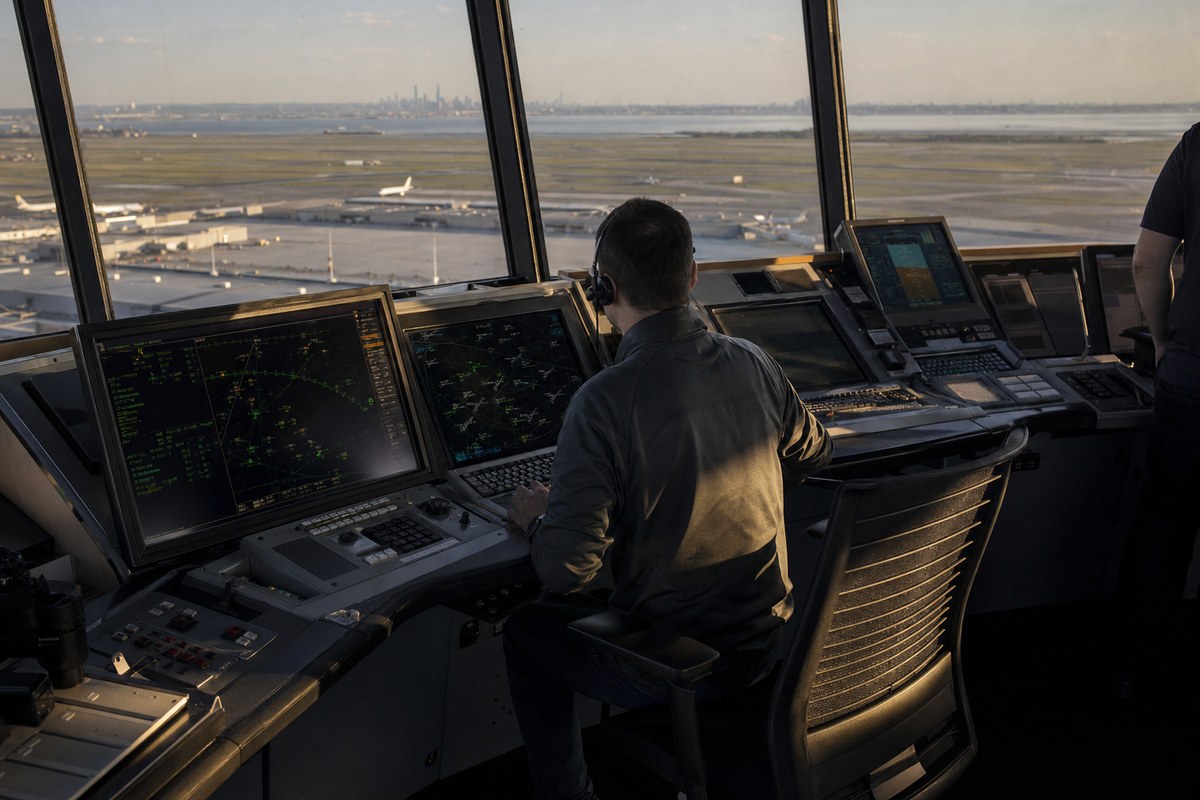
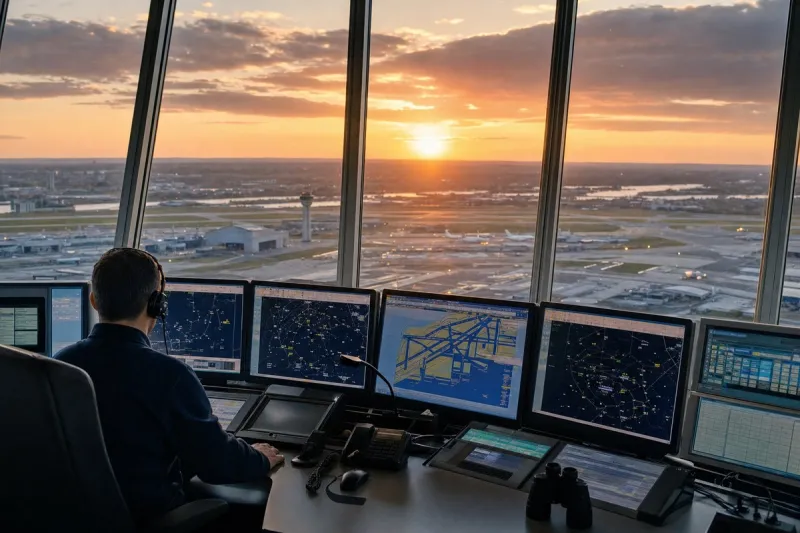
The latest waiver allows airlines to operate 10% fewer flights at the affected airports without losing their takeoff and landing slots. The radar facility that manages the New York area is staffed at 57% of its target level of certified controllers, and the FAA has said staffing at Newark will not improve significantly before October 2027.
On July 27, staffing shortages at the New York regional control center combined with severe weather to cancel between 20% and 30% of flights at JFK, LaGuardia, Newark and Philadelphia. Ground delays averaged between 71 minutes and almost two and a half hours. Two weeks earlier, a similar combination of weather and staffing caused more than 500 cancellations and 4,000 delays across the region.
Advice for travelers and the FAA's framing
The FAA's approach is characterized as cautious management that makes operations more predictable rather than less safe, and most flights through New York still run on time.
Suggestions for travelers include arriving in New York the day before an international departure, choosing morning flights, considering smaller regional airports or rail, avoiding tight connections and allowing at least three hours when changing to an overseas flight. On the day of travel, the FAA's National Airspace System status page shows ground delays.
Industry impact & what to watch
Flight caps are a blunt tool: they cap the demand side of a system whose binding constraint is the number of certified controllers. Because the waiver lets airlines keep their slots while flying fewer flights, carriers are not penalised for the reduction, which removes the usual use-it-or-lose-it pressure and lets schedules be thinned without a competitive cost.
Fewer flights mean fewer seats, which tends to push fares up and fill planes more fully. It also means fewer alternatives when a flight is cancelled, so disrupted passengers wait longer for rebooking, and travelers connecting to international flights carry the risk of missing overseas departures after a delayed domestic leg into New York.
The next dated milestone is October 2027, before which the FAA says Newark staffing will not improve significantly. Controller staffing at the New York facility, measured against its 57% level, is the figure that would settle whether the caps can be lifted on the current schedule.