Leclerc's Private Jet Turns Back to Malaysia Before Singapore GP, Forcing Journey by Road
Why It MattersThe episode shows how tightly scheduled slot windows at constrained airports can turn a sub-hour private flight into a multi-hour ground contingency with no official diversion explanation required.
What happened
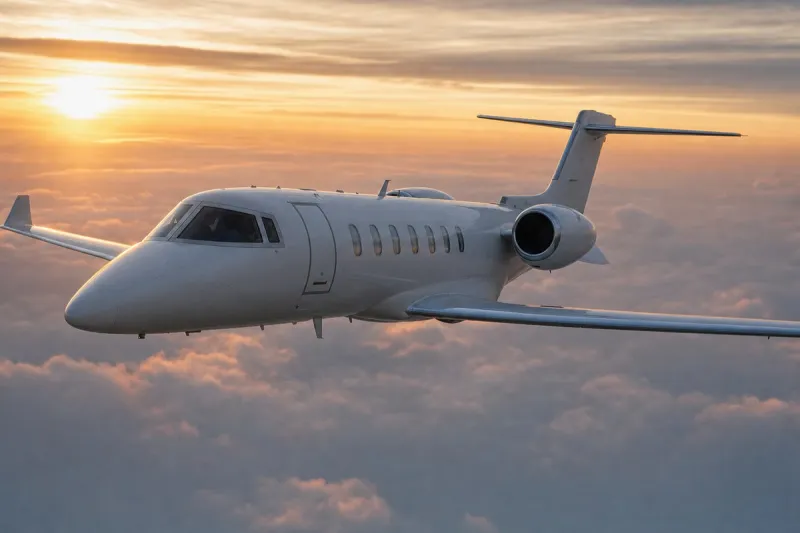
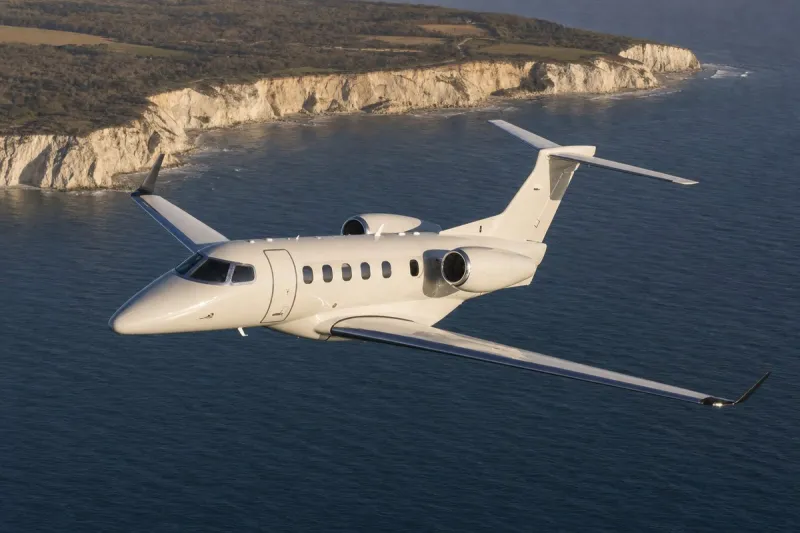
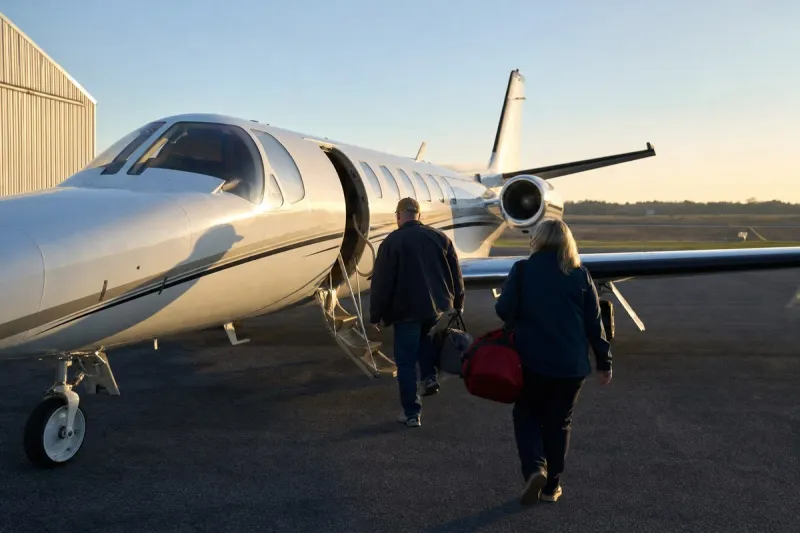
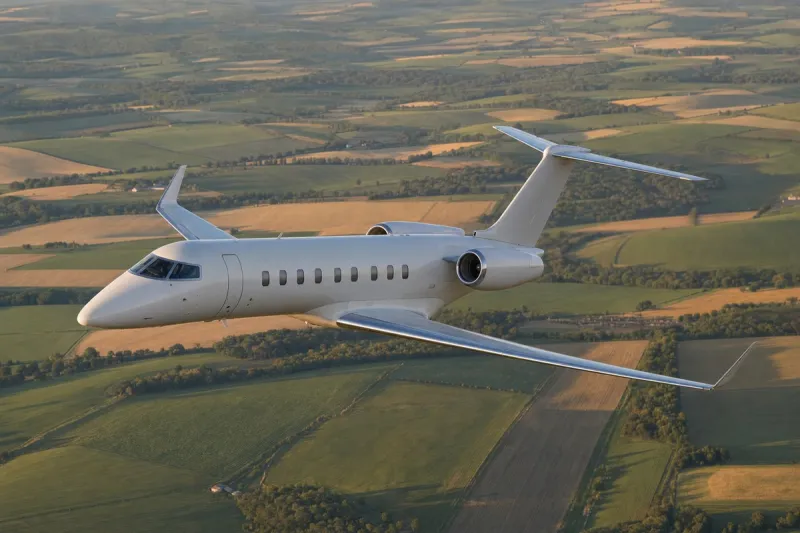
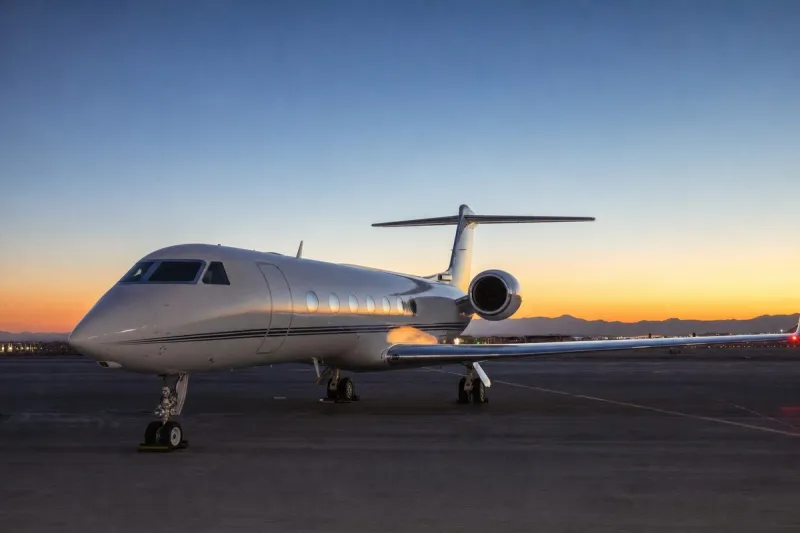
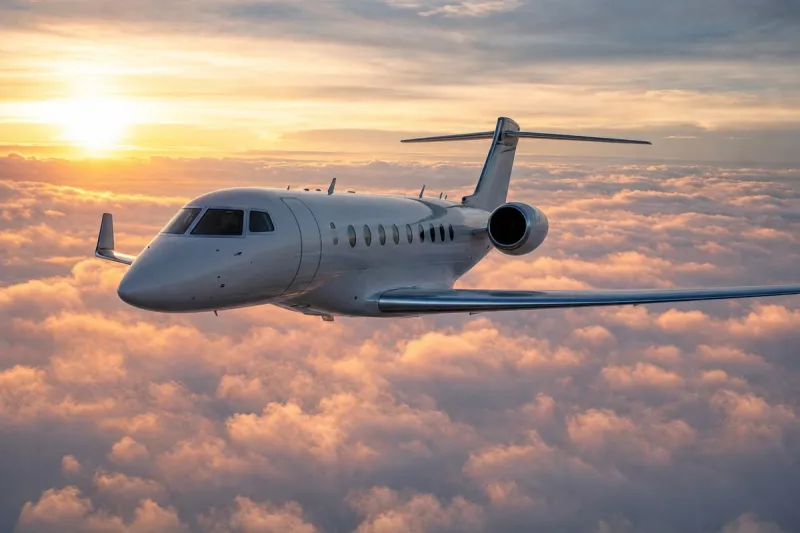
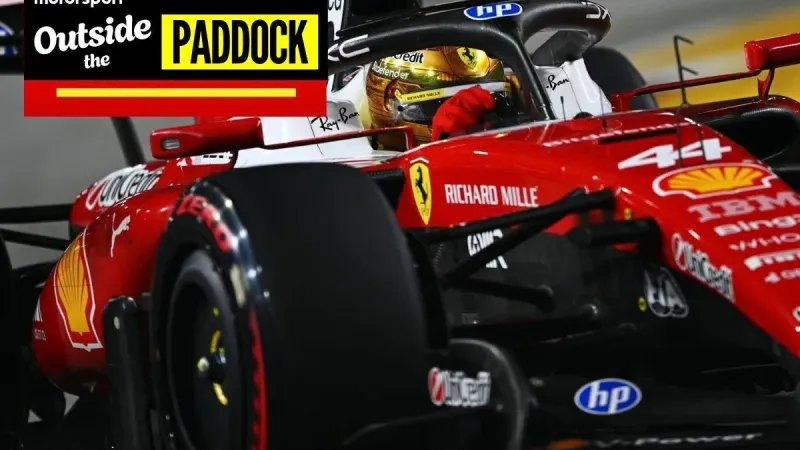
Charles Leclerc's private jet was forced to turn back to Malaysia ahead of the Singapore Grand Prix, requiring the Ferrari driver to complete the roughly 185-mile journey by road, a drive of approximately four hours. The flight between Kuala Lumpur and Singapore would normally take under an hour.
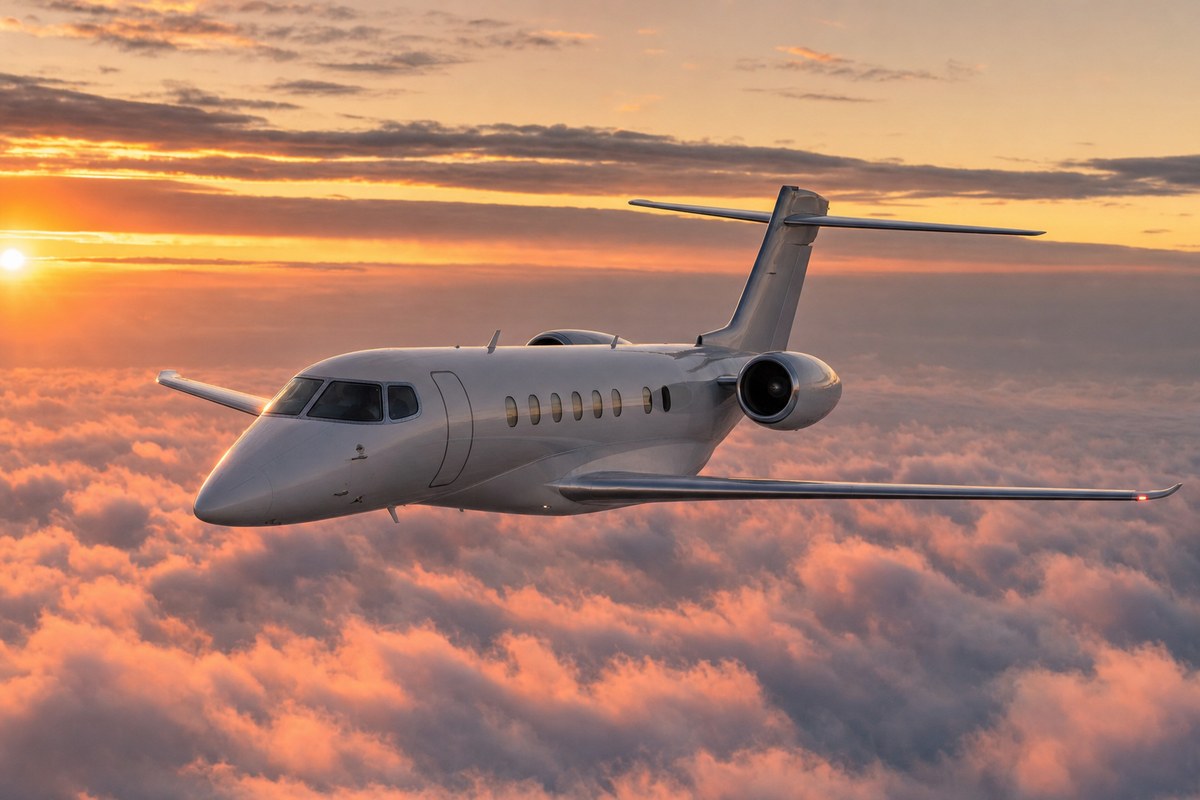
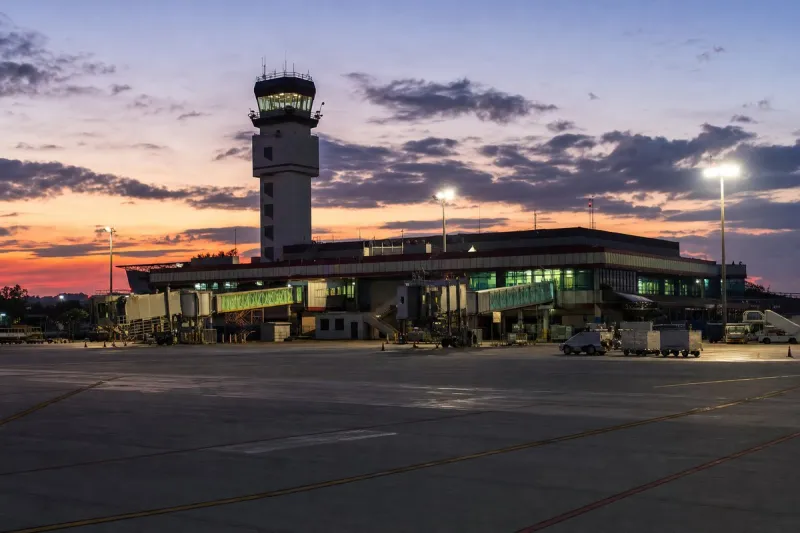
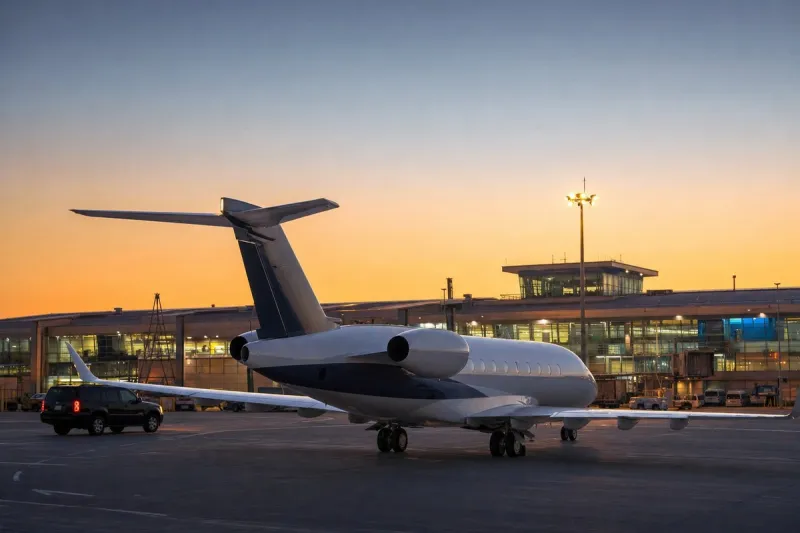
According to Italian outlet Il Mattino, a scheduling delay caused the jet to miss its assigned landing window at Seletar Airport; other reports indicated the aircraft had not been granted permission to land. Neither Ferrari nor Leclerc issued an official explanation. Leclerc told beIN: "I missed the slot by like five minutes to be landing on time in Singapore, so I had to land somewhere in Malaysia then look for a car to come here. But at the end I eventually got here so I'm happy to be here, just a little bit later than what was planned."
Max Verstappen, travelling in his own private jet, arrived in Singapore without incident, prompting Leclerc to laugh, "Lucky him, lucky him." Leclerc was not the only driver to forgo the flight: Cadillac's Valtteri Bottas cycled from Sepang to Singapore, posting on social media, "I'm riding to Singapore. On the gravel roads less traveled with my new Canyon Grail CFR." Bottas finished third in a rain-hit sprint on Saturday, started the grand prix from second on the grid, and held that position to the flag, finishing 7.335 seconds behind race winner Verstappen, who took victory from pole position. Mercedes' Kimi Antonelli completed the podium in third. For Verstappen it was a first Singapore Grand Prix victory and a second consecutive win after Sepang.
Industry impact & what to watch
A sub-hour hop between Kuala Lumpur and Singapore turning into a four-hour road trip illustrates how little margin exists around a single landing slot at a constrained airport like Seletar: miss the window by minutes and the only options are diversion or significant delay, regardless of how short the original flight was. Private aviation around high-profile events compresses many aircraft into the same narrow arrival corridor, so a slot miss has outsized consequences compared with the same delay on a quieter route.
The lack of an official explanation from either Ferrari or Leclerc leaves open whether the cause was ground scheduling, airspace congestion, or a landing clearance issue, and that distinction matters for anyone trying to avoid repeating it on the next sporting calendar stop. With the season moving to Austin, whether Leclerc's team adjusts its slot timing or airport choice for future transfers is the detail worth watching.