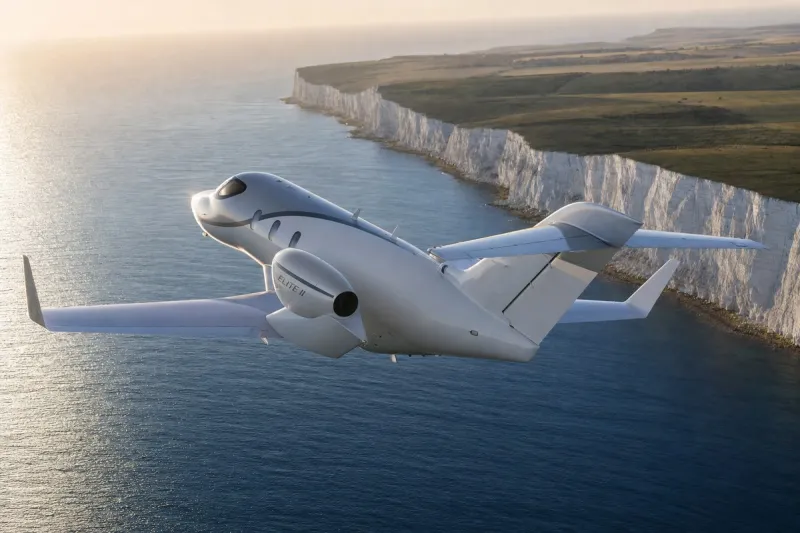
Lufthansa Tells Crews to Tanker Extra Fuel Into Frankfurt as Airport Supply Tightens
Why It MattersThe episode shows a single hub's fuel logistics, pipeline capacity and river barge deliveries, can push an airline into costly workarounds, moving fuel risk from the airport onto airline operating economics.
What happened
Lufthansa has instructed crews to carry extra jet fuel on selected routes into Frankfurt Airport (FRA) because kerosene supply at the airport is tight. The measure, known as tankering, surfaced on 14 October 2026 and Lufthansa later confirmed it to dpa and aeroTELEGRAPH.
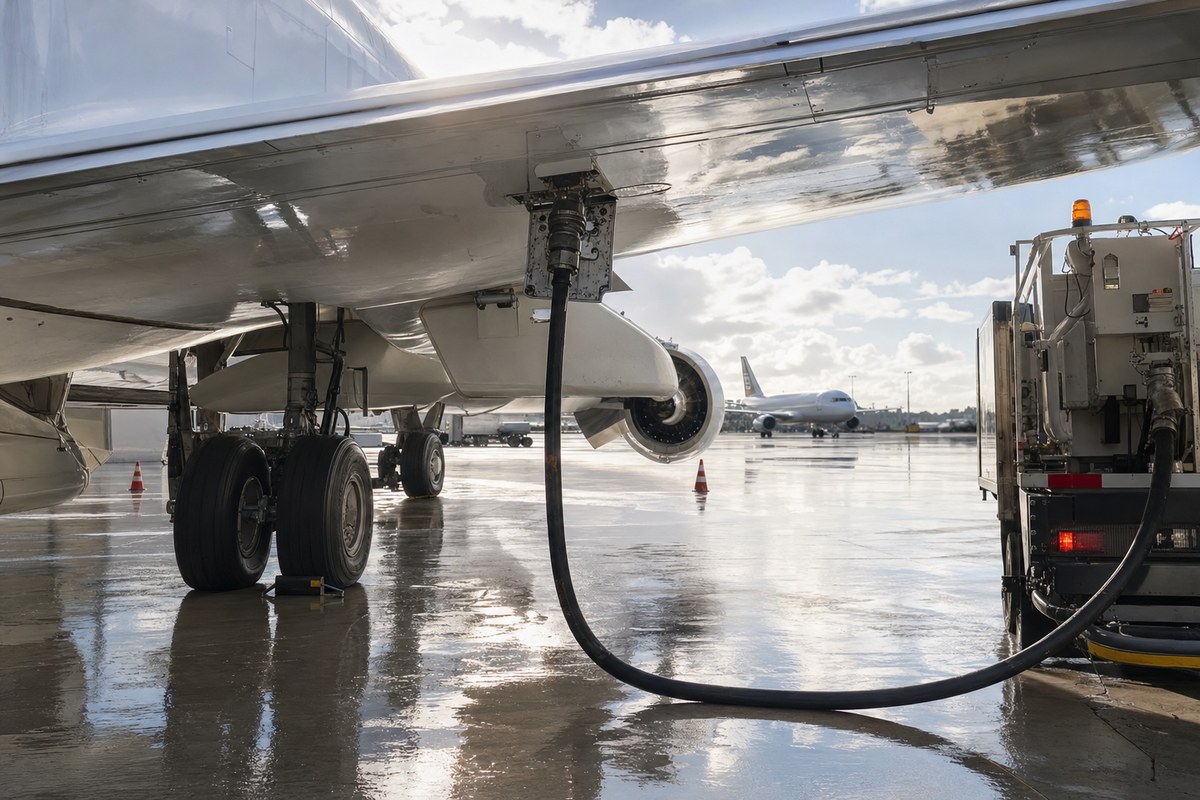
Lufthansa's flight operations told pilots to load more fuel than a flight needs on selected routes into Frankfurt, mostly on short- and medium-haul flights and increasingly on long-haul ones. For the A320 family the cap is eight tonnes of extra fuel, and flight planners were told not to offload passengers or cargo to make room for the added weight. The instruction applies until further notice.
A Lufthansa spokeswoman said kerosene supply at Frankfurt may currently be subject to restrictions and that the airline has taken precautionary measures, including additional fuel uptake before departing for Frankfurt on selected routes. Lufthansa said flight cancellations are not expected at present.
The explanations for the shortage differ. Low water on the Rhine is named first in the German press accounts, since barges can only sail part-loaded when the river drops and each trip delivers less fuel. Lufthansa told dpa the main cause is reduced capacity on the pipeline connection to the airport, describing the river as a possible additional factor.
How Frankfurt's fuel supply is built
Aircraft at Frankfurt take on around 15 million litres of jet fuel on an average day, drawn from ten above-ground tanks with a combined capacity of 186 million litres, which on paper covers about twelve days without fresh deliveries. A roughly 60-kilometre network of underground pipes carries the fuel to the stands.
Some of the fuel arrives by barge, is unloaded at a terminal on the Main and piped on to the airport. That barge leg is the part exposed to low water on the Rhine.
The episode comes in a year when jet fuel has already been scarce and expensive across Europe.
Industry impact & what to watch
Tankering is normally a cost play: airlines load extra fuel where it is cheaper at the departure airport and accept the penalty that a heavier aircraft burns more fuel carrying it. Here it is being used for supply security instead, which turns a logistics constraint at one airport into extra fuel burn on every affected inbound flight.
For a hub carrier the exposure is structural. Frankfurt's fuel arrives through a chain of barge, terminal, pipeline and tank farm, and a weakness in any link, whether river levels or pipeline capacity, lands on the airlines that depend on it. The two accounts of the cause matter for that reason: a pipeline limit and a river level behave differently and are resolved by different parties.
The instruction runs until further notice, so the clearest signal will be whether Lufthansa lifts it, or whether it widens beyond the selected routes now covered.