Aviation Week Forecasts More Than 9,600 Business Jet Deliveries Over 2027-36, Averaging About 960 a Year
Why It MattersDelivery growth is landing on a fleet whose maintenance, provider availability and supply chain were already strained, so aftermarket capacity, not aircraft supply, is the constraint the forecast puts at the center.
What happened
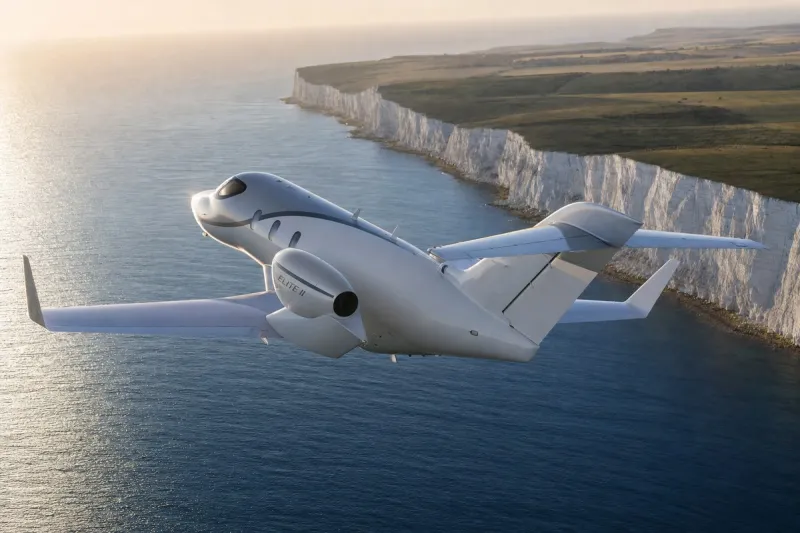
Aviation Week Intelligence Network's 2027 Business Aviation Fleet & MRO Forecast predicts deliveries of more than 9,600 business jets and over 2,600 business turboprops across 2027-36. Business jet deliveries are projected to average about 960 per year, up 36% from an average of about 700 per year over 2015-26. Turboprop deliveries are projected to average more than 260 per year, against 207 a year over the last 10 years, and include more than 2,400 single-engine turboprops. The new-delivery market is valued at more than $304 billion over the decade at retail pricing.

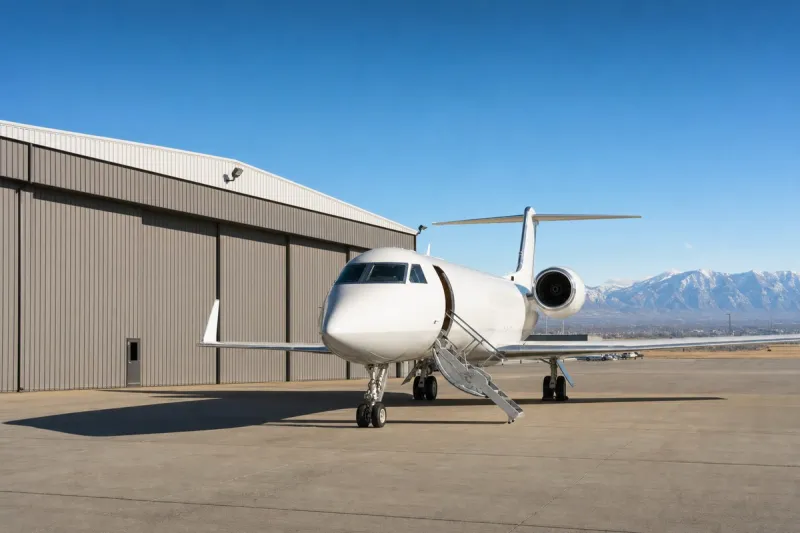
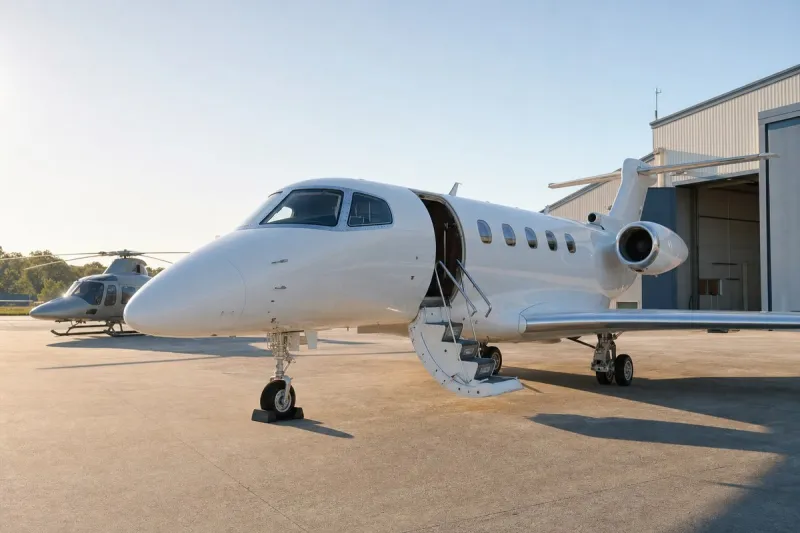
By segment, small jet deliveries are expected to total 3,800. Large jets, which include large-cabin and ultra-long-range models such as Gulfstream, Global and Dassault aircraft, are now on par with medium jets at just over 2,900 each. New bizliners are expected to see only a few deliveries, fewer than one per forecast year. The top turbofan delivery models are expected to be the Cirrus Vision Jet, Bombardier Challenger 3500, Pilatus PC-24 and Embraer Phenom 300; the top turboprops are the Pilatus PC-12 and the Daher TBM 900 series.
The world business aviation fleet (jets and turboprops) is forecast to grow 12%, from 36,643 aircraft in 2027 to 41,136 in 2036, with retirements totaling about 7,200 aircraft over the decade, led by Cessna Citations, Learjets and King Air 90s. In the short term, deliveries are expected to outnumber retirements by nearly two to one.
Brian Kough, Aviation Week senior director of forecasts and aerospace insights, said unmet demand for new products has pushed OEM backlogs higher and spilled over into the pre-owned market, with demand strongest among fractional operators and corporate and private operators. He said maintenance, repair and overhaul costs, provider availability and supply chain issues remain concerns, with "capacity desperately needed in these sectors."
As of Sept. 26, the world business aviation fleet included 37,100 aircraft: 64% based in North America, 15% in Latin America, 11% in Europe, 6% in Asia, 3% in Africa and 1% in the Middle East. Utilization in the first nine months of 2026 totaled 6.4 million hours, up 2% year on year. All segments rose except multi-engine turboprops, whose flight hours fell 5%; medium jets showed the largest increase at 5%. Among operator classes, only fractional operators increased flight hours, up 2.7% from a year earlier and 4.5% from 2024.
Industry impact & what to watch
A forecast of roughly 960 jet deliveries a year against a trailing average near 700 describes a fleet that grows faster than the service base underneath it. Kough's own framing points the same way: backlogs are already stretched, demand is spilling into pre-owned aircraft, and he calls for maintenance capacity "desperately needed." When new-build supply cannot meet demand, used aircraft carry more of the load and accumulate more flight hours, which pushes work toward the same MRO providers that are described as constrained.
The mix of demand matters as much as the total. Fractional operators are named as the strongest source of pre-owned demand and were the only operator class to raise flight hours, so their appetite shapes both aircraft availability and shop loading. Segment economics differ too: with large jets now level with medium jets at just over 2,900 deliveries each, heavy-airframe and long-range maintenance work grows alongside the mid-size work that has historically dominated.
The near-term test is the one the forecast itself sets: deliveries running at nearly two times retirements, with the fleet moving from 36,643 aircraft in 2027 to 41,136 in 2036. Whether provider capacity and supply chains keep pace with that growth will determine how much of the projected demand converts into delivered and well-maintained aircraft.