NBAA-BACE Adds Dedicated MRO Capacity Session as Shop Founder Urges Early Booking and Technician Retention
Why It MattersMRO capacity now turns on technician retention and how ownership changes affect shop staffing, which makes lead time and scope discipline the main levers business aviation owners have over aircraft downtime.
What happened
NBAA has scheduled a Flight Deck session on maintenance capacity at the NBAA-BACE show on Tuesday, Oct. 20, from 1:30 to 2:30 p.m. The session will cover technician shortages, aging facilities and consolidation, which NBAA says are making it harder to get aircraft back into service quickly. It is one of roughly two dozen maintenance-focused sessions NBAA has scheduled for Oct. 20 and 21. Gulfstream will also hold an invitation-only Operators Forum on Oct. 21 that includes maintenance management.

Ownership in the MRO sector has been shifting. FlyHouse bought 100% of Jets MRO in March 2026; the shop has a 40,000-square-foot facility at Dallas Executive Airport. Flexjet bought Constant Aviation in 2023 and said it planned to hire nearly 200 technicians over the following 12 months.
Suresh Narayanan, who founded Jets MRO and is now with Coltala Aerospace (formed in 2025 when Coltala Holdings acquired Aeroparts Group), said experienced technicians drive on-time return to service. When a veteran leaves, a shop loses type knowledge and hours, and a newer technician needs supervision, which pulls the best inspector off the aircraft. The same risk exists in component repair: if a shop has lost its experienced composite and sheet metal technicians, "the part sits, and the airplane waits on it," he said.
For a major inspection on a midsize jet, Narayanan said owners should book 9 to 12 months ahead and no less than 6. He listed common causes of delay: slow approval of findings on over-and-above work, parts and repair turn times, scope added late such as paint, interior or avionics, missing records or a late induction, and whether the shop and its repair vendors have the technicians they quoted. He estimated that an approved engineered repair can turn a damaged component around in weeks rather than the months needed to wait for a new one; turn times vary by part and shop.
Industry impact & what to watch
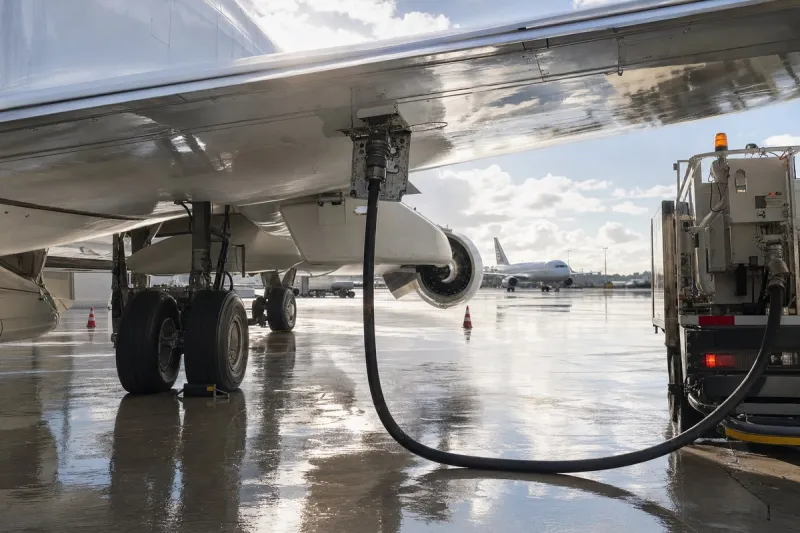
Maintenance capacity in business aviation is constrained by people before it is constrained by hangar space. A shop's quoted schedule depends on how many experienced technicians it can actually put on an aircraft, and that applies equally to the shop and to the component repair vendors behind it. Aircraft that sit waiting on a part are often waiting on one scarce skill set.
Ownership changes sit on top of that. Acquisitions such as FlyHouse's purchase of Jets MRO and Flexjet's purchase of Constant Aviation can bring more capital for pay and recruitment, which is the case Narayanan makes for consolidation. Whether a new owner improves turn times still depends on whether the technicians stay, and a change of ownership by itself says little about how a given shop will schedule a jet.
The parts of downtime that owners and operators control are narrower: booking early, approving findings quickly and locking the scope before induction. The two dozen maintenance sessions NBAA has scheduled for Oct. 20 and 21, including the Oct. 20 capacity session, are the next place where shops, owners and operators are set to address these constraints in public.