FAA Hires Record 2,235 Air Traffic Controller Trainees as ATC Modernization Bill and Launch-Debris Policy Change Advance
Why It MattersController staffing and ATC modernization funding are now advancing as separate tracks, and the end of the cap on aircraft flying through launch-debris hazard areas shifts how airspace risk is managed.
What happened
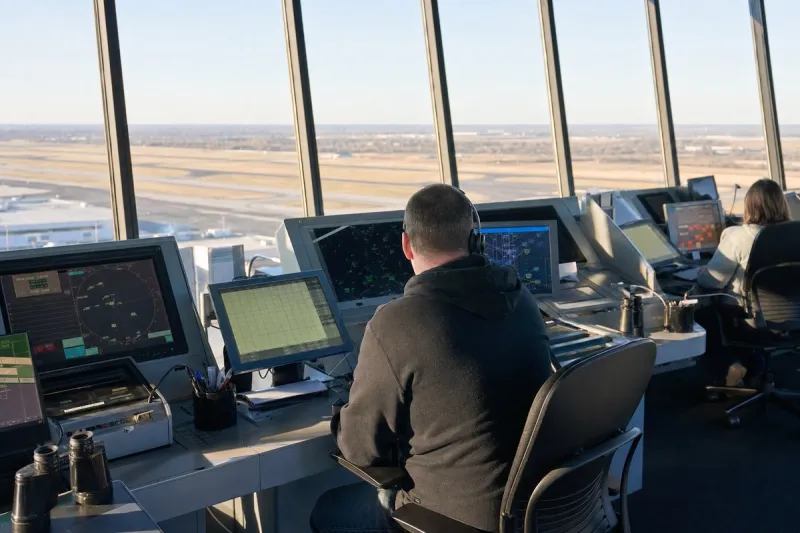
In an October 1, 2026 press release, the FAA said it exceeded its Fiscal Year 2026 goal by hiring 2,235 air traffic controller trainees, the most in FAA history. The FY26 goal was 2,200 trainees. The agency tied the result to a recruitment campaign that drew more than 12,000 qualified applicants in 24 hours.
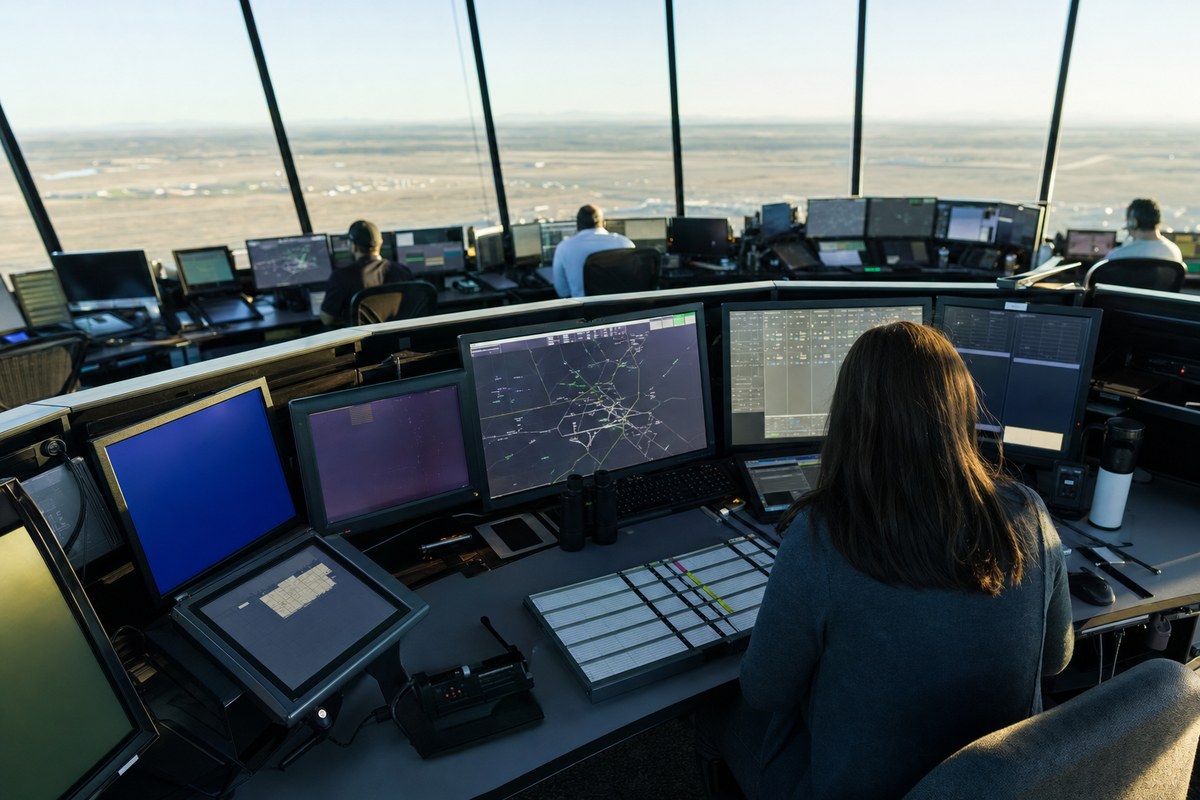
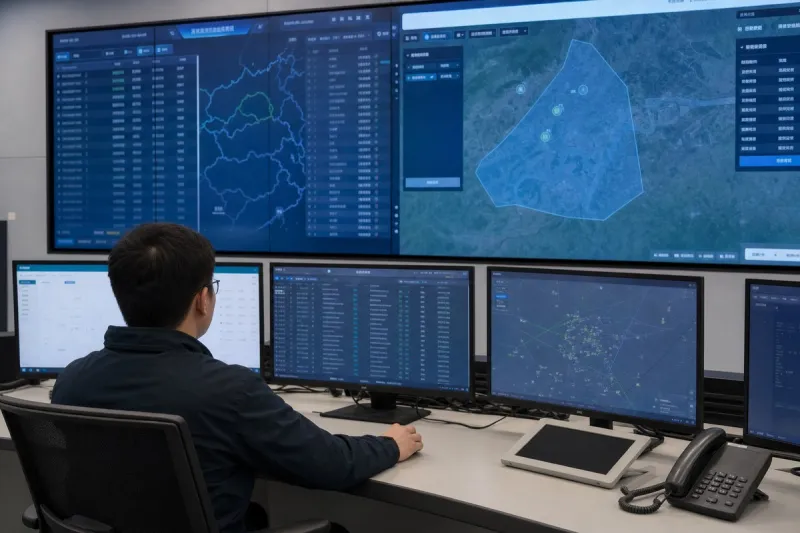
The FAA's 2026–2028 Air Traffic Controller Workforce Plan calls for hiring at least 2,300 new trainees in FY27 and 2,400 in FY28. It also sets a three-year strategy to grow the controller workforce, optimize scheduling performance, and modernize air traffic control systems and tools.
Separately, Rep. Tracey Mann (R-KS) introduced legislation that would add $30 billion in funding to continue the ATC modernization work begun last year. It is a companion to a bill introduced last month by Sen. Eric Schmitt (R-MO). The National Business Aviation Association (NBAA), one of about 60 aviation stakeholders in the Modern Skies Coalition formed in 2025, applauded the House bill.
The FAA also changed its policy on aircraft risk from space debris. The agency identifies aircraft hazard areas before each launch and re-entry operation, and aircraft may not fly in the most hazardous portions. Previously, up to 6,412 aircraft per 12-month period were allowed to fly through the outer portions of these areas, a limit equating to no fatal space-debris accidents over 80 years at a 95% confidence level. The FAA's Executive Safety Council has now removed that restriction.
The Army publicly released its report on the January 29, 2025 midair collision between an American Airlines jet and a UH-60 Black Hawk helicopter near Ronald Reagan Washington National Airport. It identified systemic failures involving air traffic control, helicopter routes, training and safety practices.
Industry impact & what to watch
Hiring trainees and funding new systems address different parts of the same constraint. Trainee intake builds the pipeline of people who will eventually staff facilities, while modernization money pays for the tools they work with. For business aviation, which shares airspace and slots with the airlines, delays and flow restrictions tend to follow whichever of the two lags.
The launch-debris change matters on a different axis. Removing the limit on aircraft flying through the outer portions of hazard areas means the 6,412-aircraft ceiling no longer caps how much traffic can be routed there. Operators that plan around launch and re-entry windows, particularly on routes near space-launch corridors, deal with a rule set that is now less tied to a fixed traffic count.
The next dated markers are the FY27 and FY28 hiring targets of 2,300 and 2,400 trainees, and whether the House and Senate $30 billion bills move through committee.