Middle East conflict forces global airline cancellations and longer routes, exposing Bangladesh's Gulf-dependent air links
Why It MattersAirspace closures and fuel costs are pushing carriers to cut Gulf capacity, leaving airlines and travellers in markets like Bangladesh that depend on Middle East hubs most exposed.
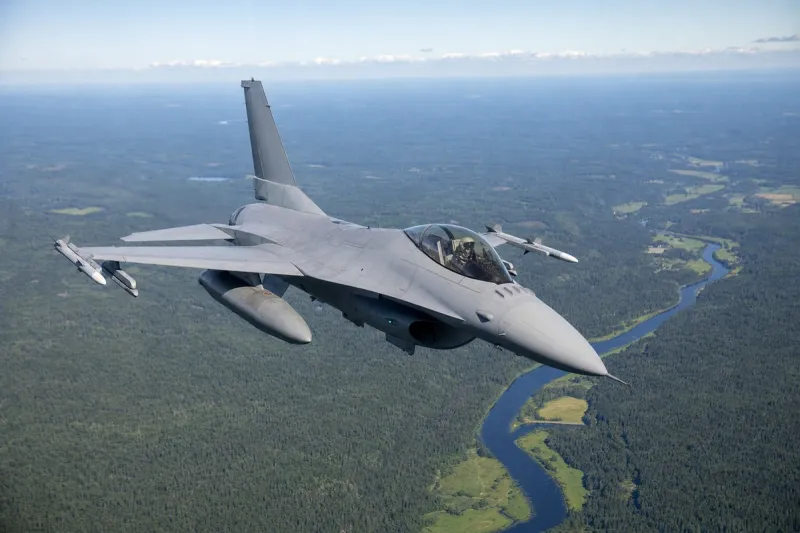
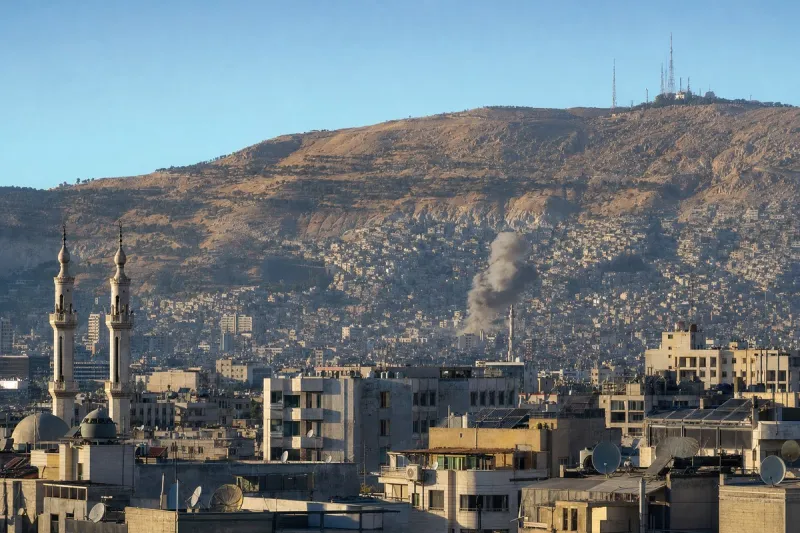
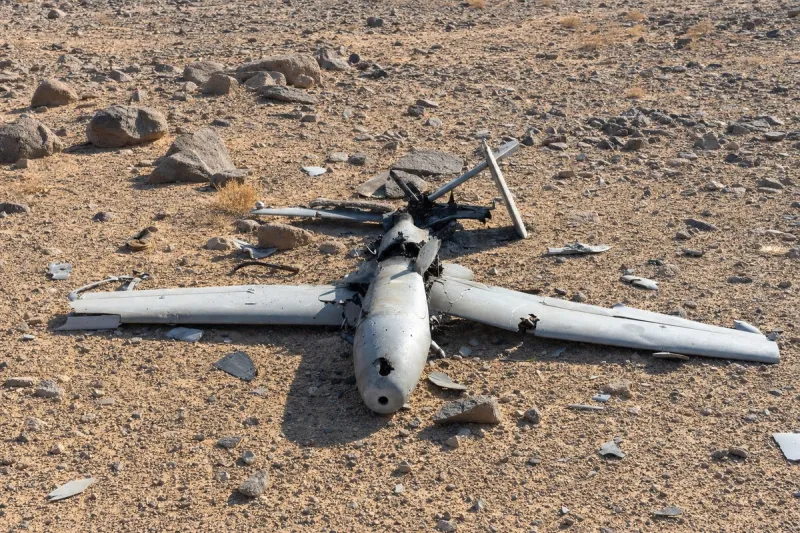
Geopolitical instability, led by the Middle East conflict, is putting global aviation under pressure, and Bangladesh is exposed because a large share of its international air connectivity runs through the region. Military conflict, sanctions, diplomatic disputes and airspace restrictions are forcing airlines onto longer routes and causing flight cancellations and reschedulings.
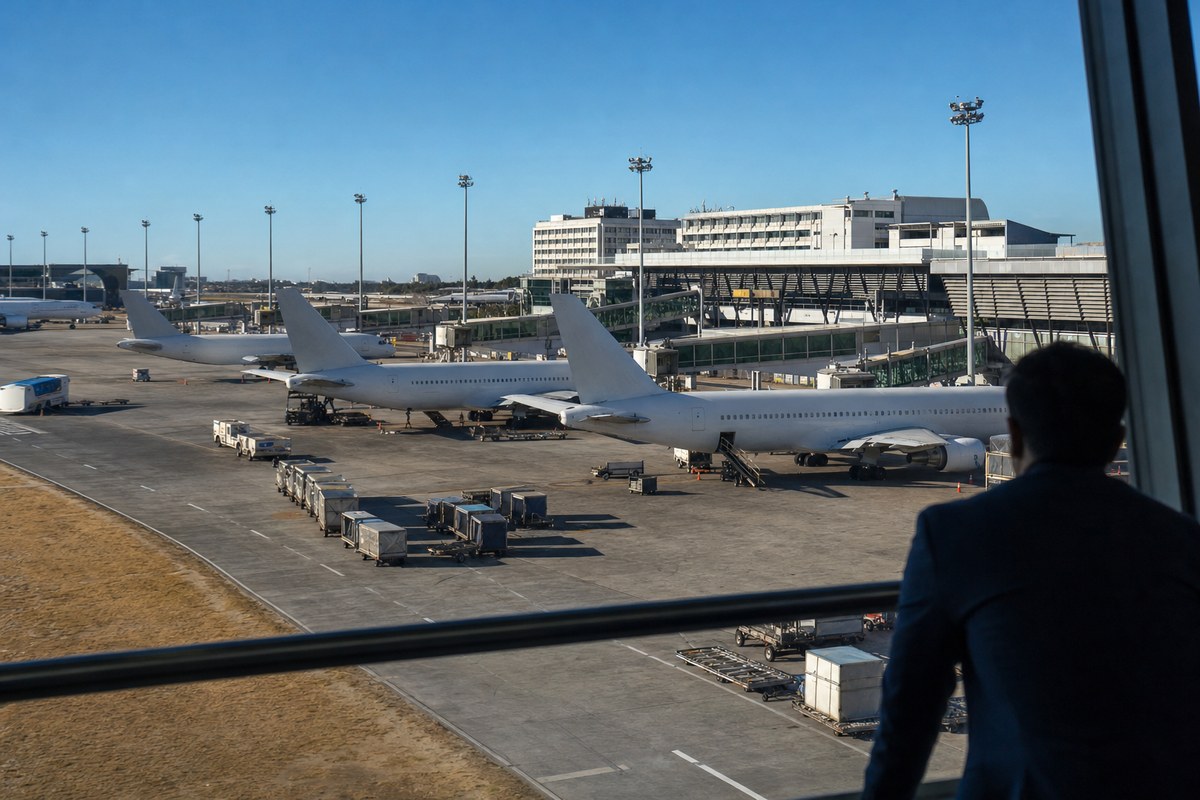
Eurocontrol says around 1,150 flights a day have had to take alternative routes since the conflict began, covering an additional 206,000 kilometres daily and adding about 28,000 minutes to flight times. The detours burn an extra 602 tonnes of fuel and emit about 1,900 tonnes of additional carbon dioxide every day. IATA says global airline fuel expenditure could reach around $350 billion in 2026, roughly 40 percent above 2025. IATA Director General Willie Walsh said average jet fuel prices could rise by around 70 percent year on year. EASA reported that GNSS jamming reports in 2025 were 67 percent higher than in 2023, while GPS spoofing incidents rose 193 percent, across the Middle East, the Black Sea and the eastern Mediterranean. In Europe, at least seven flights received bomb threats on the previous day, prompting emergency landings and security checks.
Airlines have cancelled or suspended services: Singapore Airlines cancelled SQ494 and SQ495 (Singapore–Dubai) until February 28, 2027; British Airways scaled back schedules to Abu Dhabi, Amman, Bahrain, Doha, Dubai, Tel Aviv and Riyadh; Air France-KLM extended its Riyadh suspension to November 7; Lufthansa Group airlines cancelled Riyadh flights until November 18; Philippine Airlines extended its Riyadh suspension to November 29; Cathay Pacific postponed Hong Kong–Riyadh and Hong Kong–Dubai resumption to January 31, 2027; and Delta Air Lines pushed its new Atlanta–Riyadh route to March 2027.
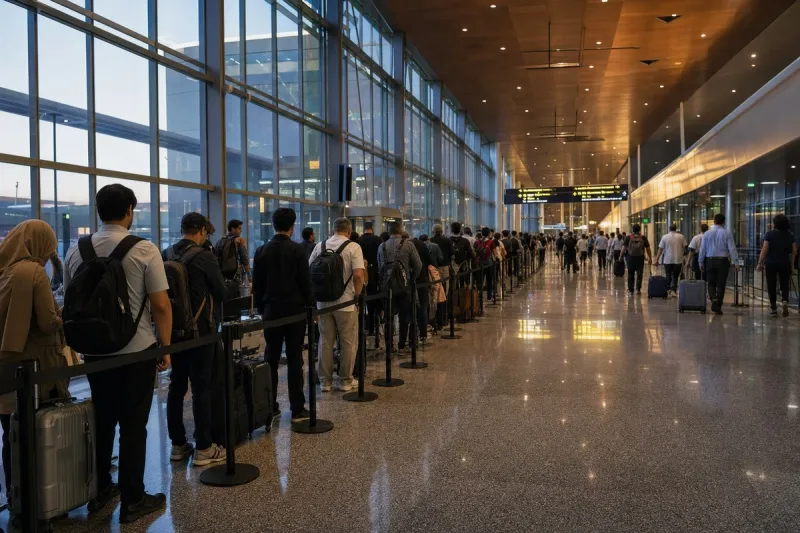
In Bangladesh, around 42 percent of Biman Bangladesh Airlines' international destinations are in the Middle East, and seven of US-Bangla Airlines' 14 international destinations are there. The Civil Aviation Authority of Bangladesh said on November 3 that 171 direct and transit flights on Bangladesh–Saudi Arabia routes had been affected, directly impacting 23,077 passengers; 94 were direct services and 77 transit. Biman was worst affected among direct flights, with 45 services disrupted, about 48 percent of the affected direct flights. KM Mozibul Hoque, chairman of Total Air Services Limited, said several Umrah pilgrim flights were cancelled and some passengers' travel dates were pushed back 15 days. US-Bangla's Kamrul Islam warned that prolonged instability could also hit remittance inflows. IATA forecasts Middle East passenger traffic could contract by 11.4 percent in 2026.