SAF Rules Differ Between EU and US, Reshaping Fuel Procurement for GA Airports and FBOs
Why It MattersBecause SAF mandates sit with suppliers in the EU but not in the US, FBO fuel sourcing and pricing will diverge by region as physical supply remains scarce.
The European Union's ReFuelEU Aviation Regulation sets binding blending requirements on aviation fuel suppliers at covered airports. The minimum SAF share began at 2% in 2025 and rises to 6% by 2030, with further increases scheduled through 2050. The rule generally covers EU airports handling more than 800,000 passengers or 100,000 tonnes of freight a year, though smaller airports can opt in. The obligation falls on fuel suppliers, not on each individual FBO or general aviation airport.
The United States has no nationwide SAF blending requirement for general aviation airports and FBOs. Federal policy instead supports domestic production through incentives. The Section 45Z Clean Fuel Production Credit is an income tax credit available from January 1, 2025, for clean transportation fuel produced domestically and sold between January 1, 2025 and December 31, 2029. Fuel produced after December 31, 2025 must be derived exclusively from feedstocks produced or grown in the United States, Mexico or Canada.
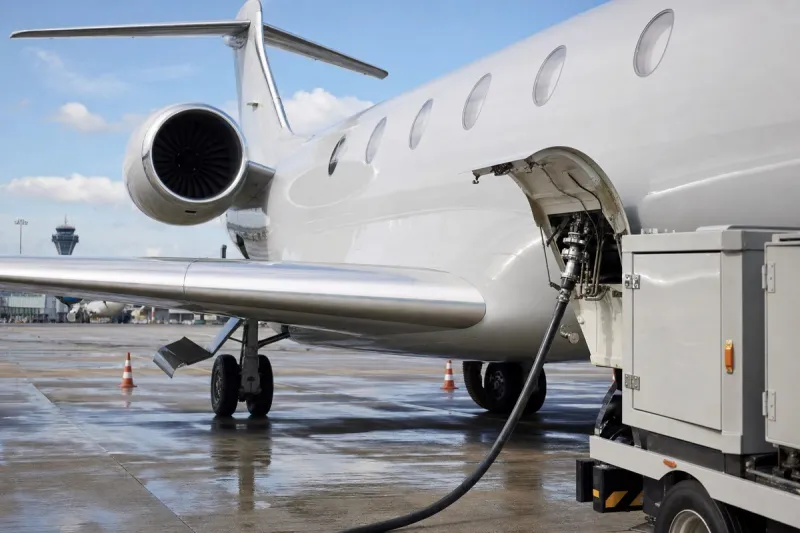
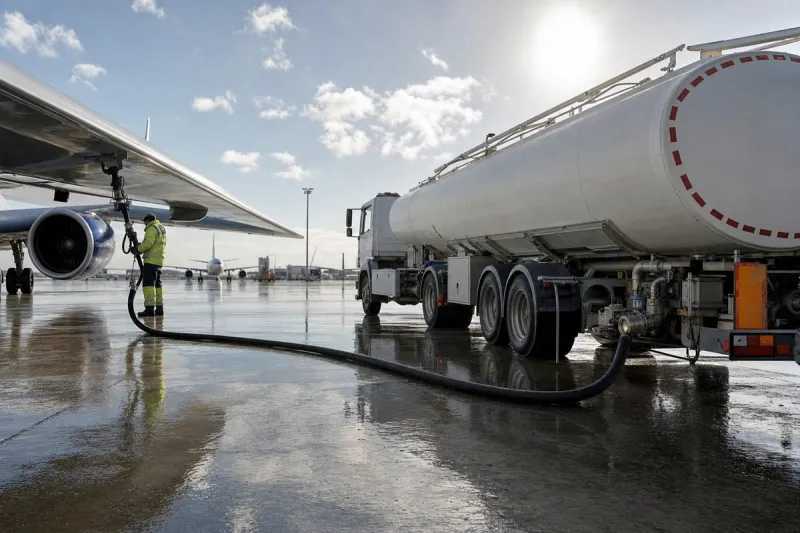
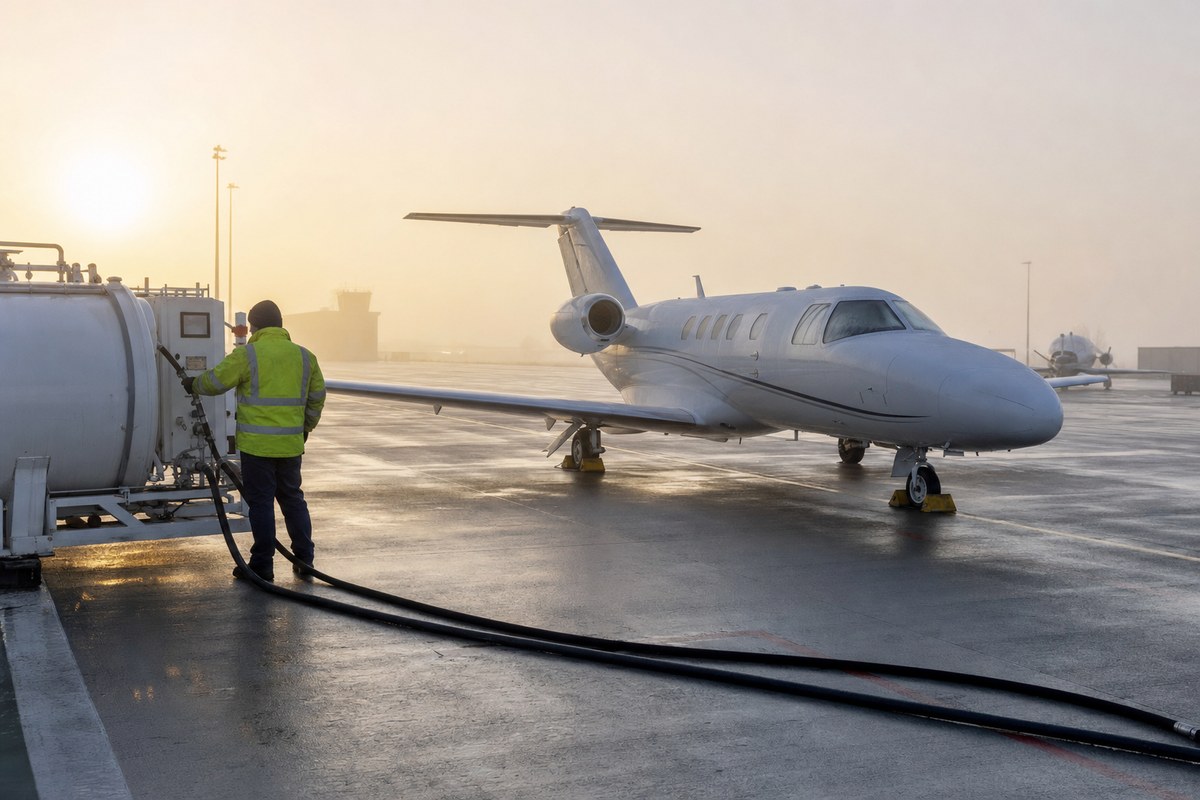
SAF blending components meeting ASTM D7566 can be blended with conventional Jet A or Jet A-1 within pathway-specific limits. Once the blended fuel is certified as compliant with ASTM D1655, it can move through the existing distribution system. The US Department of Energy's guidance says blending can occur at refineries or fuel terminals before delivery to airports by pipeline, barge or truck. Blending at the airport is technically possible but generally less practical because it needs extra equipment, personnel and insurance.
Supply is expanding through partnerships. In July 2025, Million Air Albany and the Albany County Airport Authority announced a consistent SAF supply for business and general aviation, with the first truckload received on June 18 following coordination with Avfuel; the announcement described it as the first such supply in New York. In October 2024, Jet Aviation added five locations through an agreement with World Fuel Services, taking its announced US on-site SAF network to eight FBOs.
Physical SAF delivery differs from Book & Claim arrangements, in which customers buy verified environmental attributes of SAF used elsewhere in the supply chain without the fuel being delivered to their departure airport. The Roundtable on Sustainable Biomaterials published SAF accounting guidance in June 2026 stressing traceability, consistent reporting and prevention of double counting. Supply remains limited: the International Air Transport Association's 2026 forecast estimates global SAF production at about 2.4 million tonnes in 2026, equivalent to 0.8% of annual jet fuel consumption.