Santiago FBO Aerocardal Stresses Early Planning of Fuel, Parking and Hangar Space for Regional Private Jet Operations
Why It MattersLong South American distances make hub airports like Santiago staging points, so ground capacity for fuel, ramp and hangar space becomes a constraint on private jet reach into remote regions.
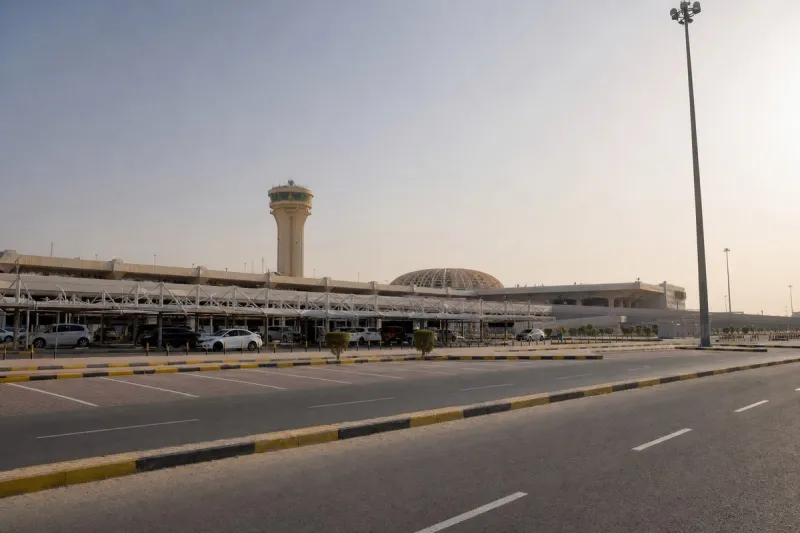
Early resource planning is key for FBOs, particularly at smaller regional airports, according to Marco Núñez, FBO Manager at Aerocardal at Santiago International Airport. Even when an airport can accept a private aircraft, South American operations face ground limitations including fueling, overnight parking and ramp space, because vast distances mean larger airports are often used as staging points for flights to more remote locations.
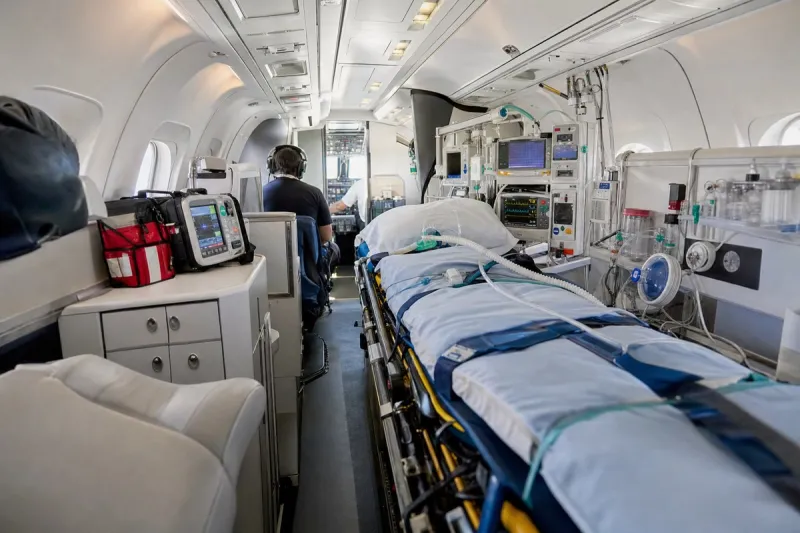
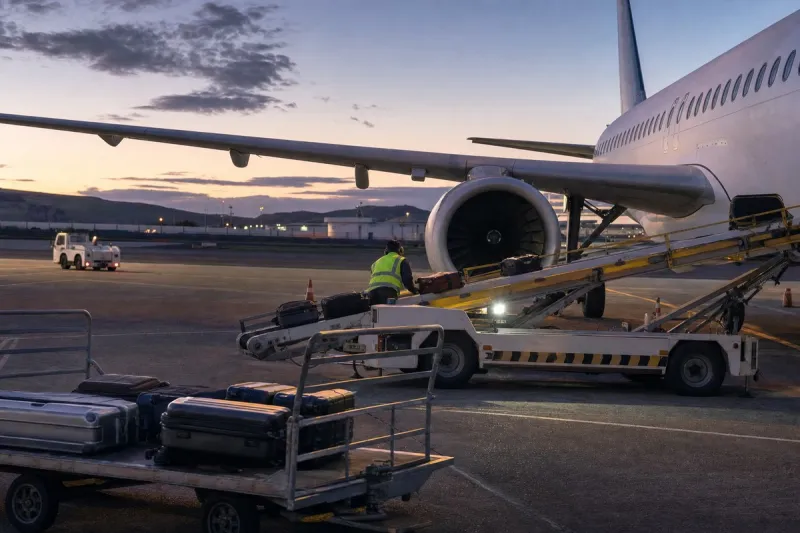
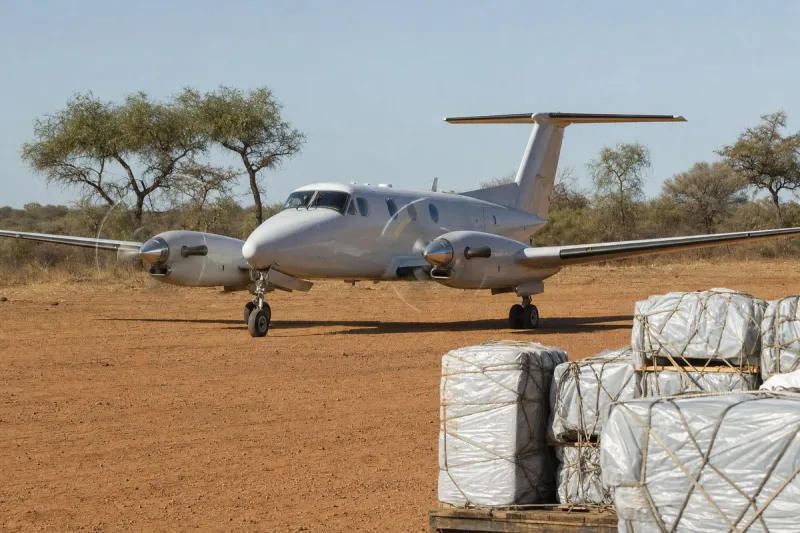
Santiago frequently serves as the staging point for longer journeys, including flights to Patagonia, southern Chile, Rapa Nui and specialized operations such as ambulance flights. Before continuing to these destinations, operators prepare aircraft with catering, drinking water, oxygen, ground power and cleaning. If weather or other factors delay a departure, a quick refueling can become an overnight stay requiring extra hangar parking, passenger ground transportation and crew accommodation.
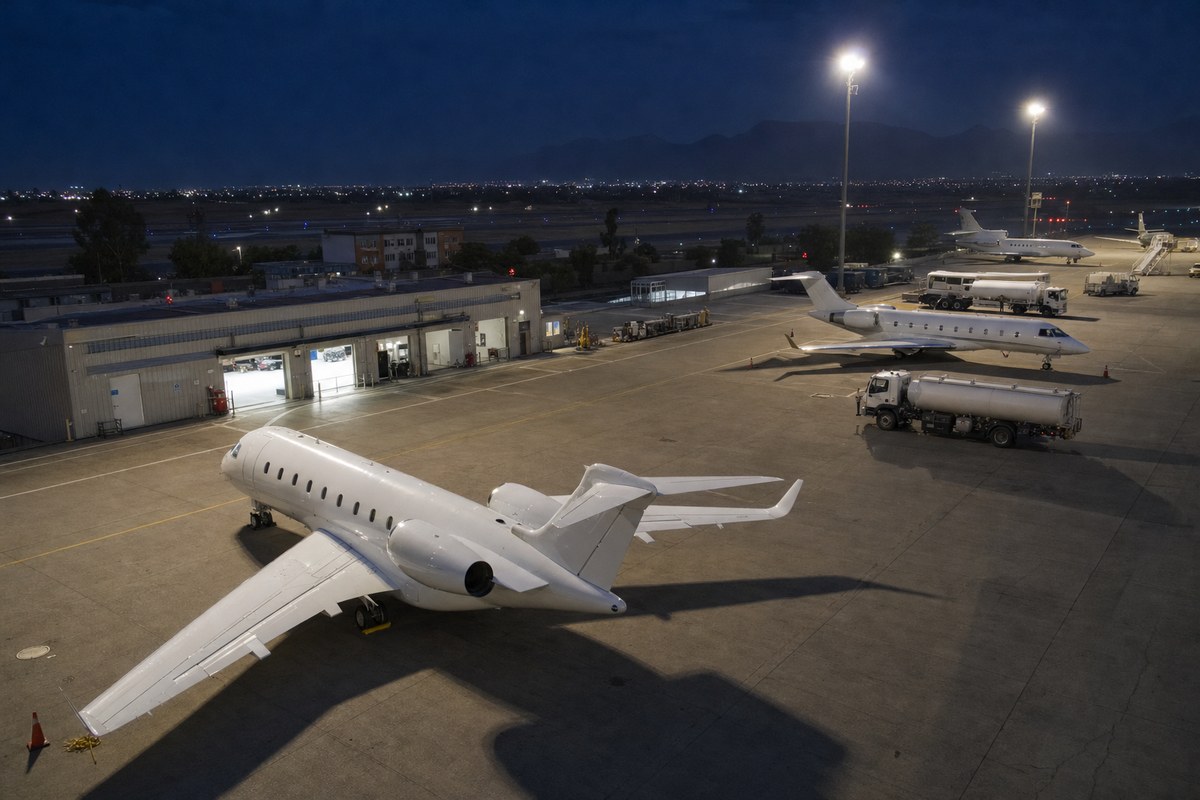
On fuel, Aerocardal operates its own fuel farm at the airport. It is the only private jet handling provider at Santiago with this infrastructure, and the only fuel farm within the airport's security zone. The facility holds 31,701 US gallons (120,000 liters) and lets the FBO replenish its three refueling trucks significantly faster, supporting fuel availability and quick turnarounds. This matters when Santiago is not the final destination, since aircraft arriving from North America, Europe or elsewhere in South America often prepare there for onward legs.
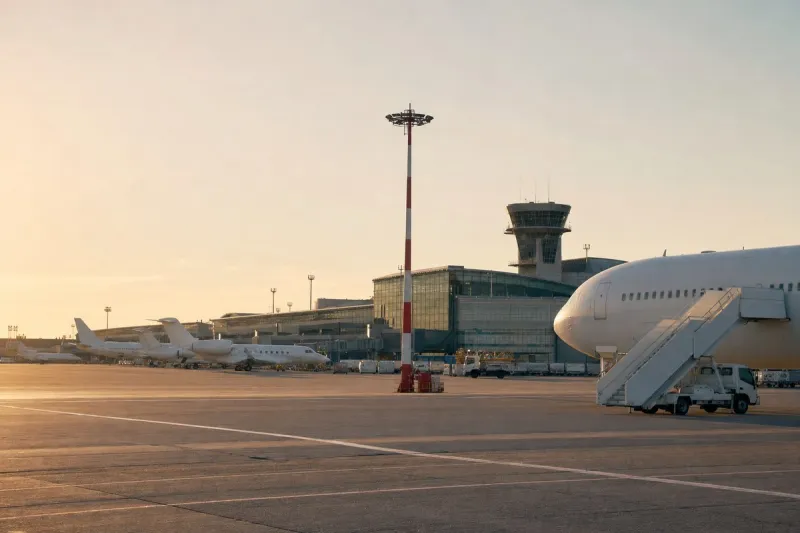
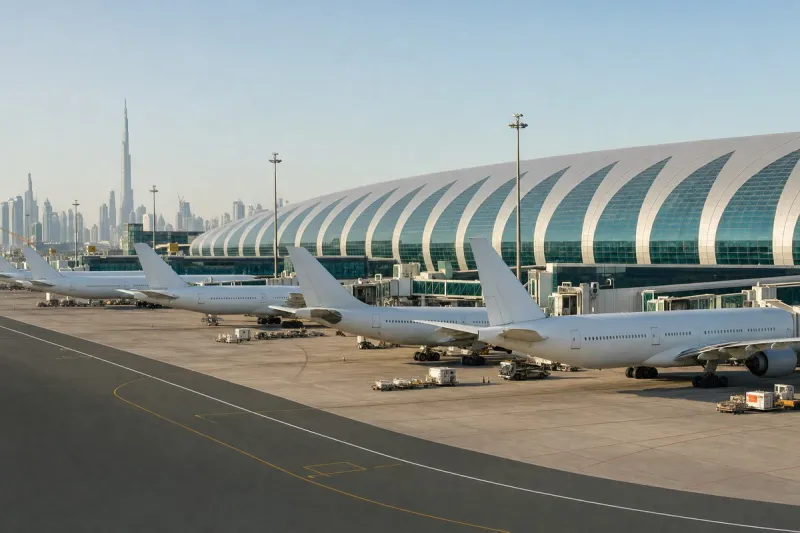
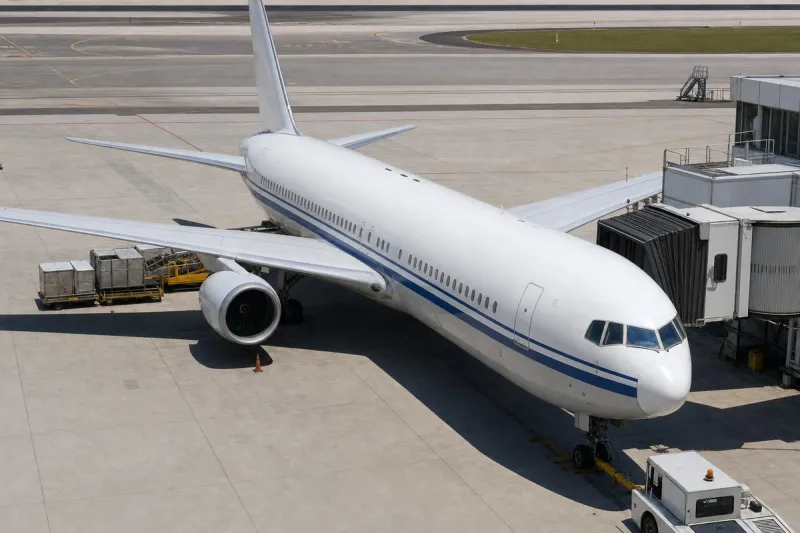
On parking, landing permission and parking availability are not the same thing, and the space needed varies with aircraft size and length of stay. According to Chile's official AIP, non-scheduled international operations at Santiago should coordinate a handling company before arrival, and some non-scheduled passenger aircraft should also coordinate parking before starting the flight. Operators should confirm time of arrival, duration of stay and the possibility of schedule changes.
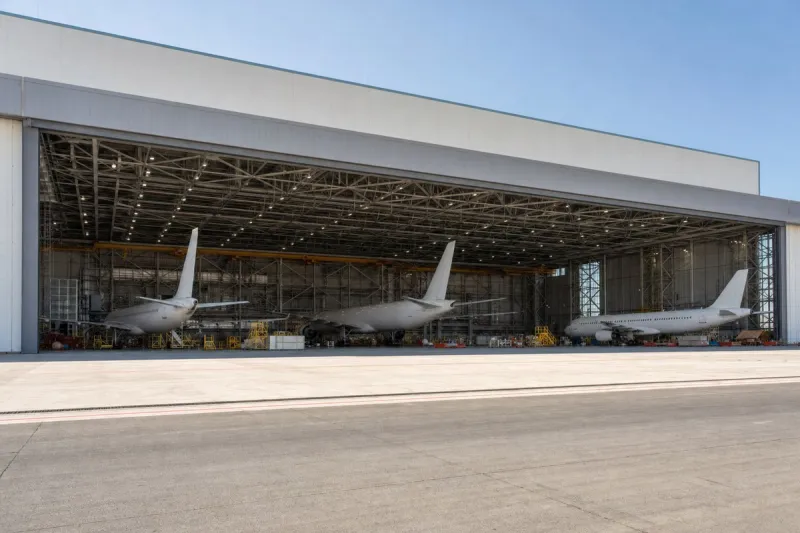
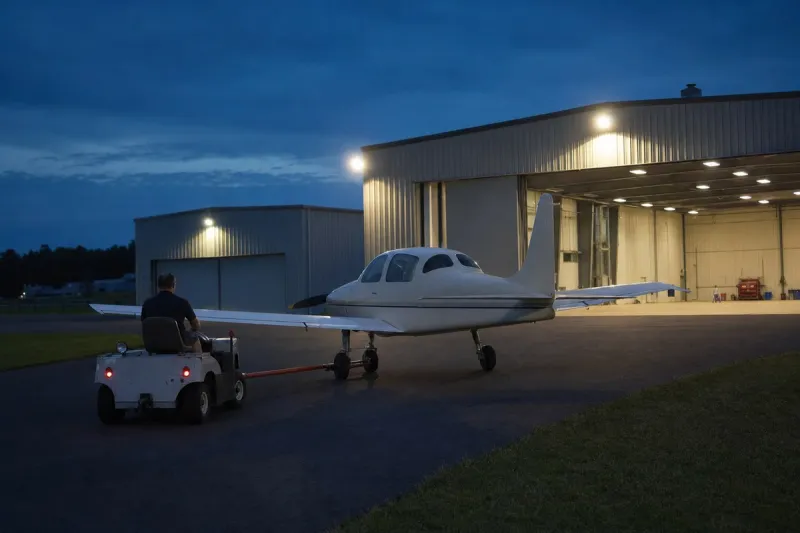
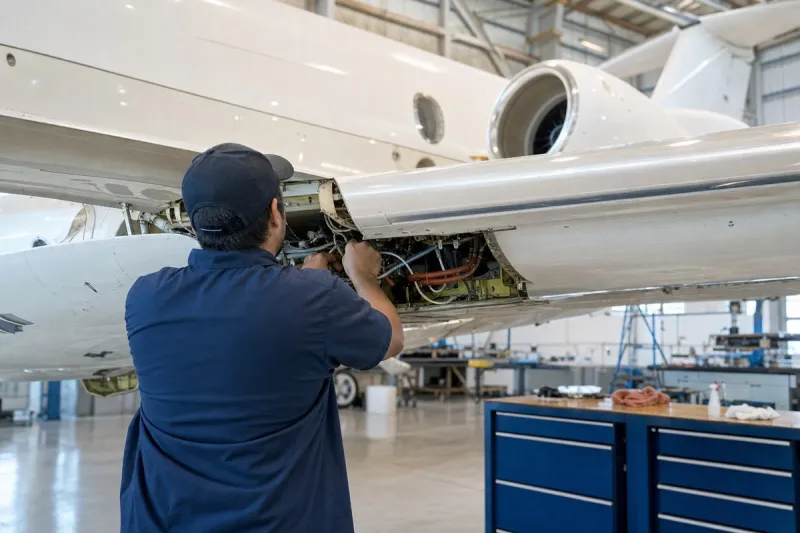
Hangar space becomes valuable when an aircraft must stay longer than planned because of maintenance needs, weather changes or schedule delays. Núñez concludes that fuel, parking, hangar space, ground handling and maintenance are interconnected, and the more an FBO can coordinate them in one place, the easier it is to cope with a changing schedule. Aerocardal is a member of the Air Elite alliance, and its FBO listing includes aviation fuel, hangar, oxygen, crew and passenger transportation, hotel reservations and overnight parking on the FBO platform.