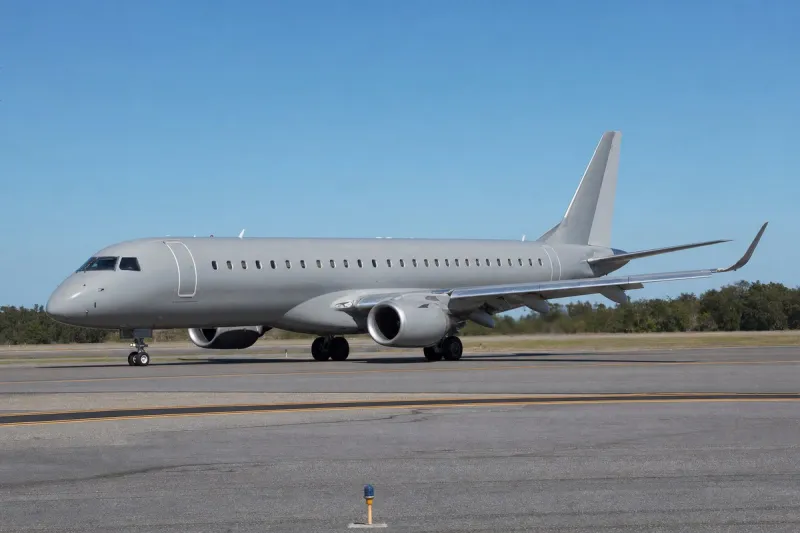
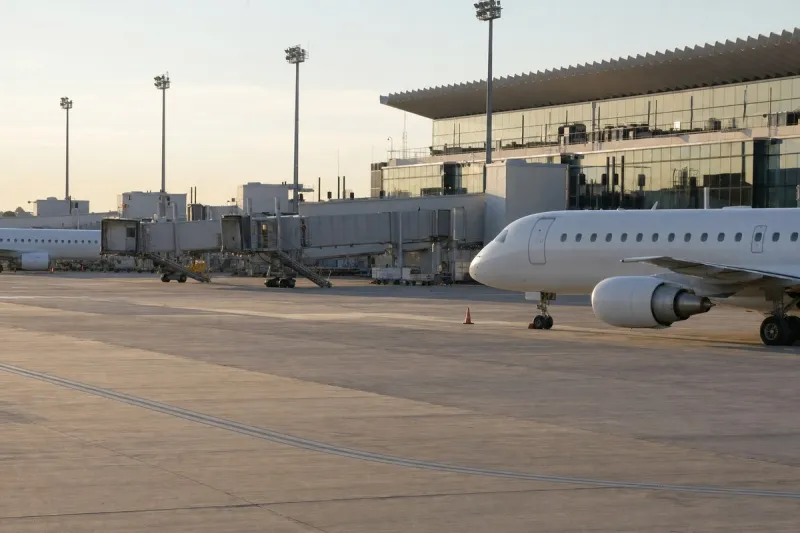
Pope Leo XIV's South American Tour Features 12 Fixed-Wing Flights and Two Helicopter Journeys
Why It MattersA single papal tour spreads its 14 sectors across a European flag carrier, two air forces and two South American airline groups, showing how multi-country VIP movements are assembled from local operators.
What happened
Pope Leo XIV's visit to Uruguay, Argentina and Peru runs from 6 to 17 November and involves 12 fixed-wing sectors and two scheduled helicopter journeys. The Vatican's published flight list identifies the operators for all 14 sectors. Dates and operators follow the Vatican itinerary, while aircraft assignments come from airline announcements and Peru's official reporting, and all remain subject to operational changes.
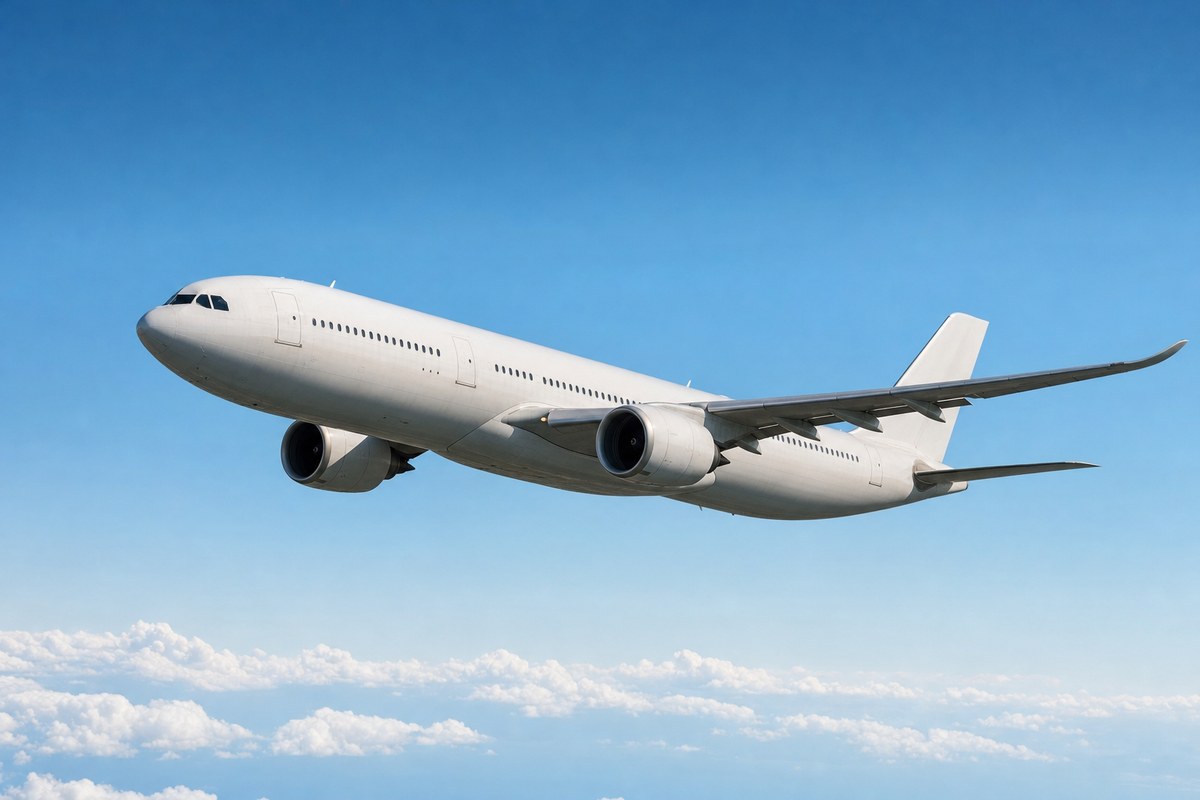
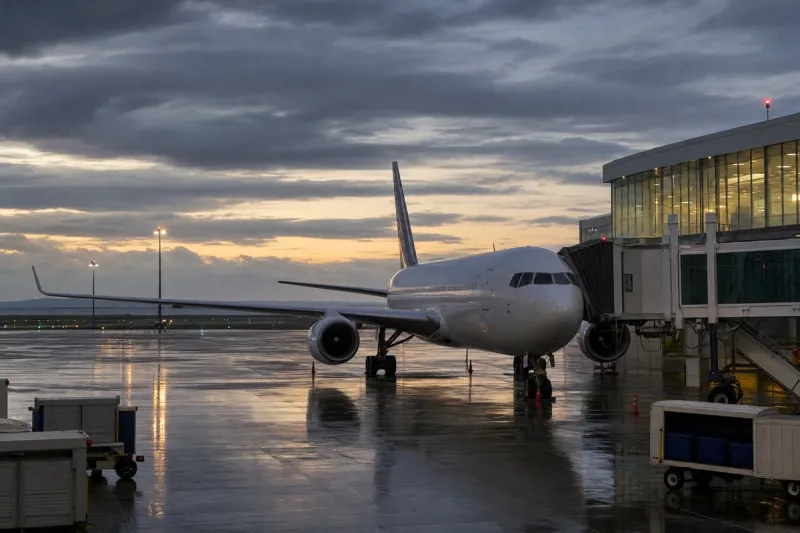
ITA Airways opens the tour on 6 November with a non-stop Rome-Fiumicino to Montevideo flight on an Airbus A330neo. It carries three pilots and ten cabin crew alongside the papal delegation and accompanying journalists. No individual aircraft registration has been identified. Uruguay's air force operates the Montevideo-Paysandú return on 7 November, with the aircraft type unspecified.
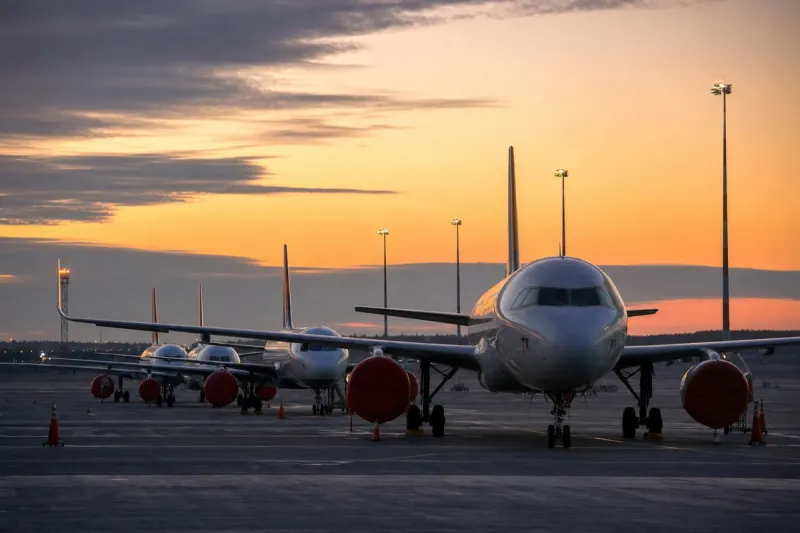
Aerolíneas Argentinas then takes over, with Boeing 737 MAX 8s planned for Montevideo-Buenos Aires and the Córdoba return journey, and an Airbus A330-200 for Buenos Aires-Lima on 11 November. A separate cargo-only flight between Montevideo and Buenos Aires falls outside the Pope's own 12-sector tally.
LATAM has confirmed an A320neo for the four domestic Peruvian sectors and a Boeing 787-9 for the non-stop return to Rome. The busiest day is 15 November, with three successive flights linking Chiclayo, Cusco, Pucallpa and Lima. LATAM is preparing special interior and exterior details for the aircraft.
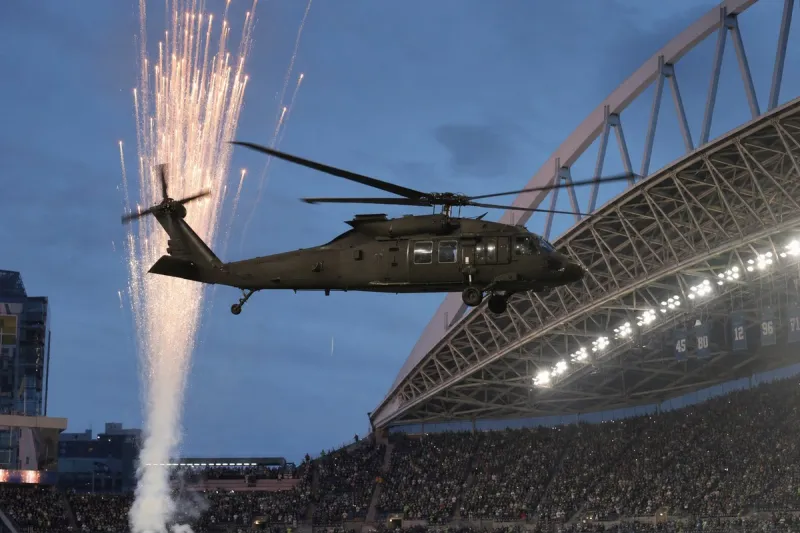
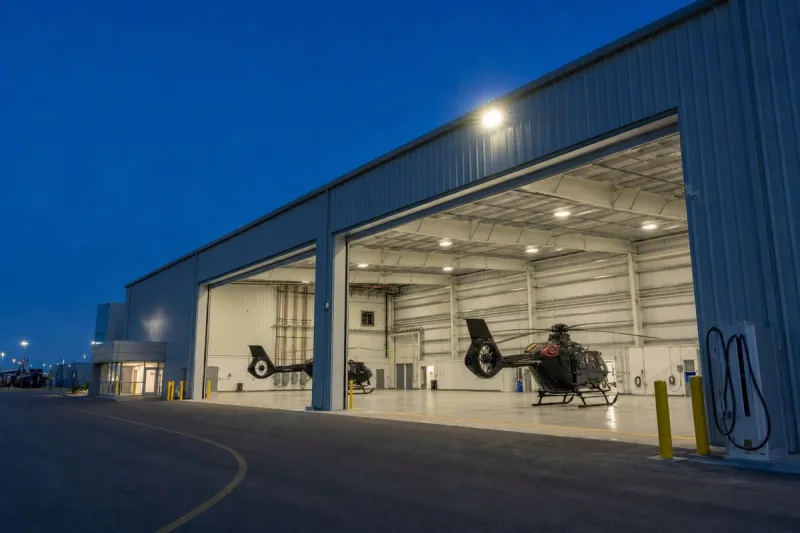
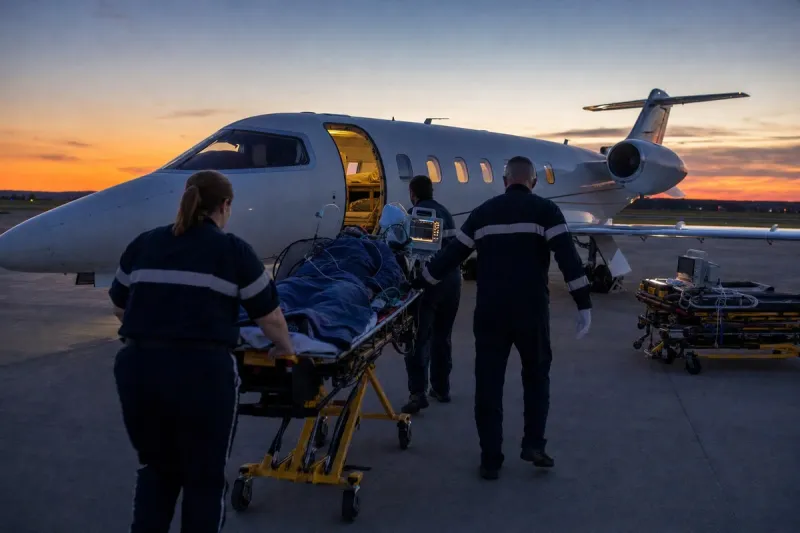
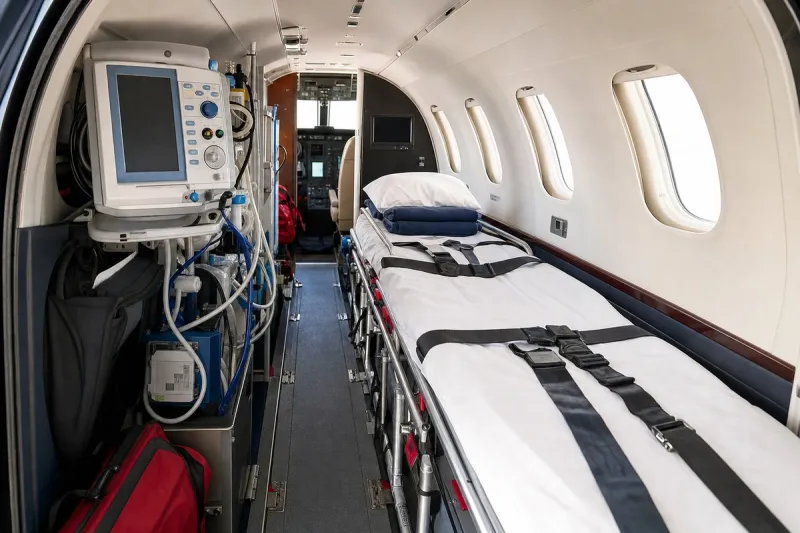
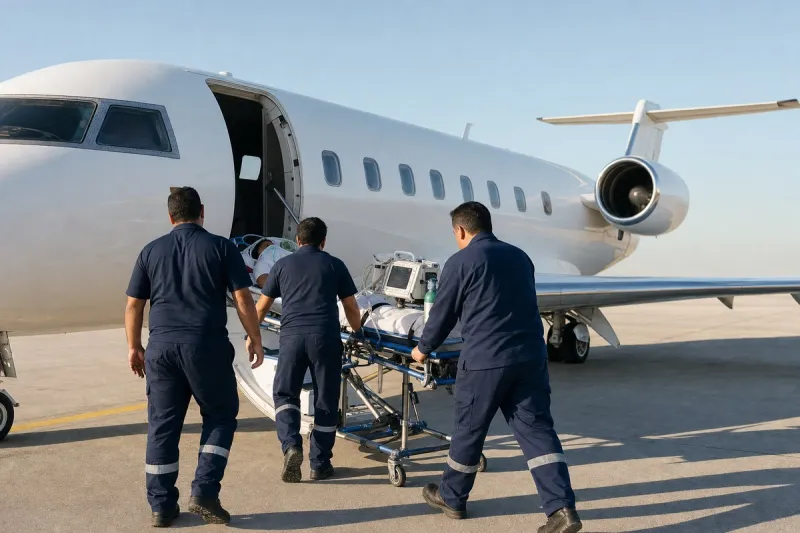
The helicopter, dubbed the "Papacóptero", is a Peruvian Air Force Mi-17 presented on 28 October for the Chiclayo-Santa Cruz de Succhabamba return journey. The support deployment includes three additional Mi-17s, Bell 212 and Bell 412 helicopters for aeromedical duties, and a pressurised Beechcraft King Air 360C air ambulance. These are not additional scheduled flights carrying the Pope.
Who flies which leg
The tour divides cleanly by geography. A European flag carrier handles the intercontinental outbound leg, Uruguay's air force covers the short domestic hop, Aerolíneas Argentinas flies the Uruguay-Argentina-Peru connections, and LATAM handles Peru's domestic network and the return to Rome.
The widebody assignments are the long-haul legs: an A330neo outbound, an A330-200 for Buenos Aires-Lima, and a 787-9 home. The narrowbodies, 737 MAX 8s and an A320neo, cover the regional sectors.
Industry impact & what to watch
A papal tour of this length is assembled from whichever operator holds the strongest local position on each leg. Here that means a Rome-based carrier for the ocean crossing, national airlines for the intra-South American sectors, and military aircraft where a short or remote domestic move is involved. No single carrier covers the whole itinerary, which makes schedule coordination between operators part of the job as much as the flying itself.
The support deployment shows the other side of the planning. Aeromedical helicopters and a pressurised air ambulance sit behind the scheduled sectors, and they are counted separately from the Pope's own 14 movements. For airlines, the visible return is branded aircraft and press carriage; for air forces, it is a high-profile operational role.
The flight list itself carries the caveat that dates, operators and aircraft assignments remain subject to operational changes. Any revision to individual sectors would most likely surface through the Vatican itinerary or the airlines' own announcements.