Boeing 777X Folding Wingtips Let 235-Foot Wingspan Fit Code E Gates, With Automatic Fold Below 50 Knots
Why It MattersFolding tips let a Code F-span widebody use infrastructure built for Code E, trading added weight and maintenance checks for broader airport access that limited the A380.
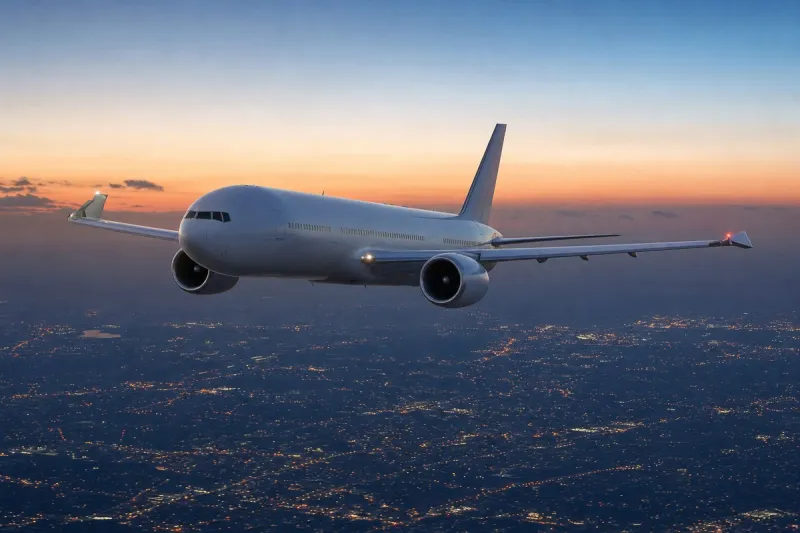
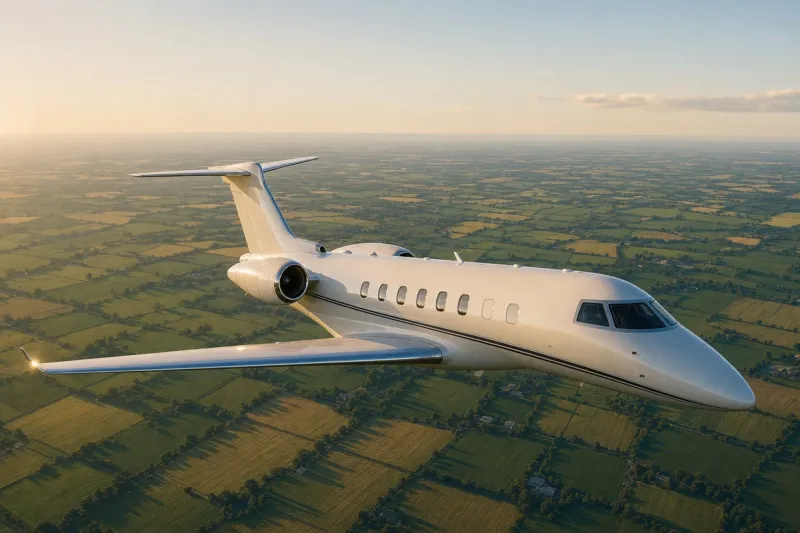
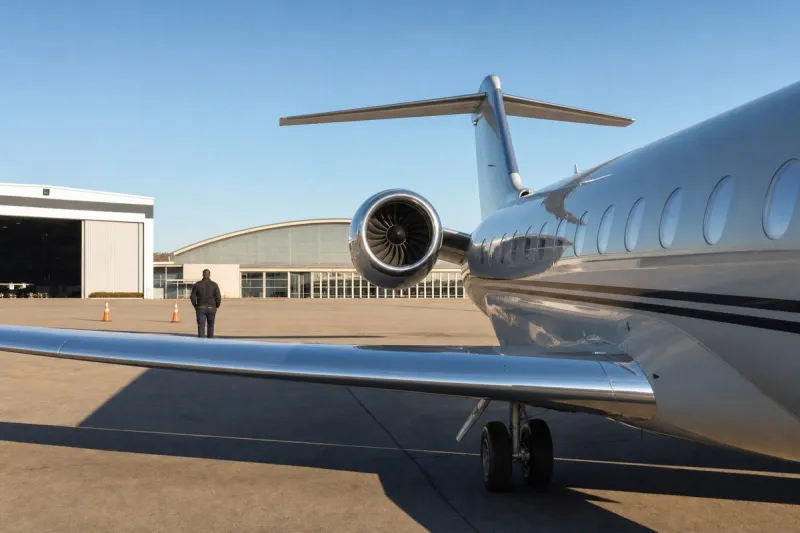
The Boeing 777X uses a carbon-fiber composite swept wing that increases wing area by roughly 15% over its predecessor and is intended to deliver about a 10% fuel-efficiency improvement over previous generations. In flight, the aircraft has a wingspan of 235 feet, five inches (71.75 meters), which falls into International Civil Aviation Organization Code F, while most major international airports are built for Code E dimensions. To address this, Boeing designed the outer 11.5 feet (3.5 meters) of each wingtip to fold vertically upward after landing, cutting the ground span to 212 feet, 9 inches (64.85 meters). The older 777-300ER has a fixed span of 212 feet, seven inches (64.80 meters). The lack of universal gate access limited the commercial viability of the double-deck Airbus A380.
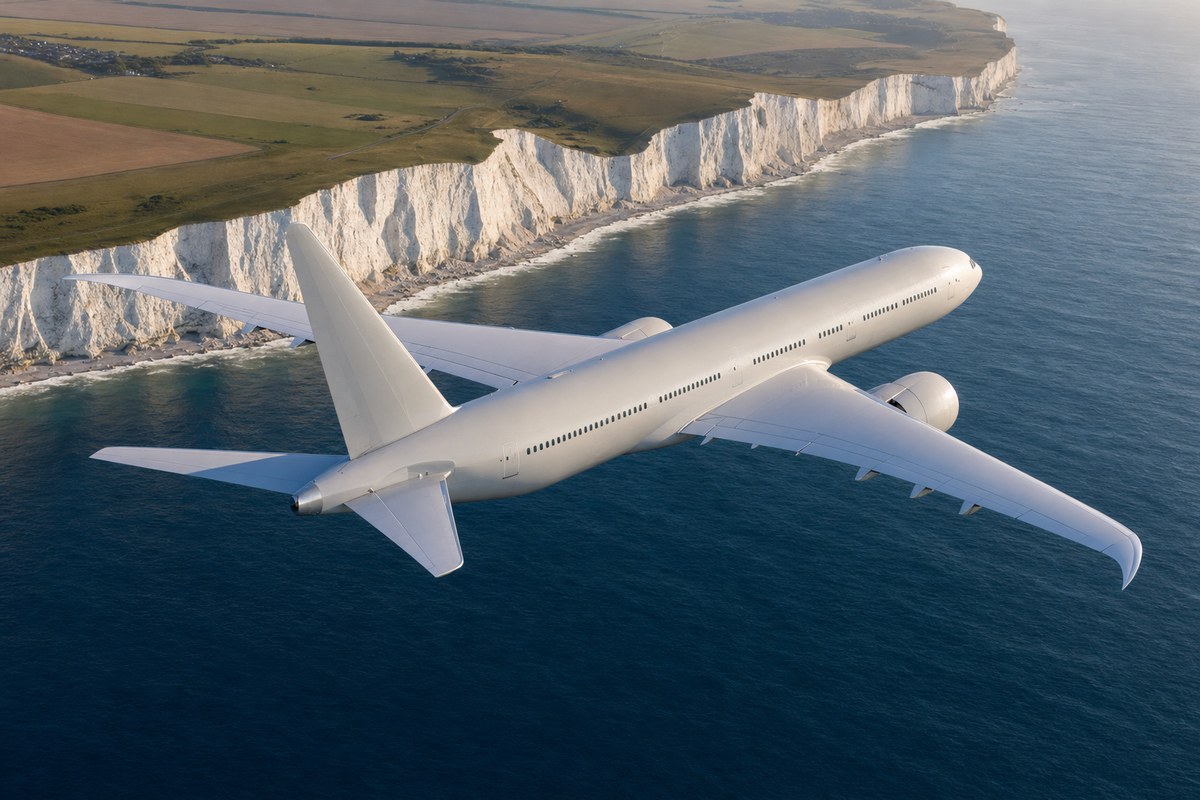
A dedicated toggle switch on the flight deck overhead panel controls wingtip movement, and flight displays show a flashing alert changing to solid green once the tips are fully extended and locked. Multiple sensors monitor hinge-pin position and lock status; if the outer panels are not confirmed deployed and secured, the fly-by-wire system blocks takeoff thrust. Once locked, the hydraulic and electrical circuits driving the rotary actuators are electronically isolated for the duration of the flight. After landing, folding is automatic: when ground speed drops below 50 knots (92.60 kilometers per hour), a roughly 20-second retraction sequence begins, and the tips reach the vertical position before the aircraft clears the runway hold-short line, allowing Code E taxi. The rollout table cites about 140 knots at touchdown and about 25 knots at runway exit.
The folding hardware, comprising a hinge, hydraulic actuators, locking bolts and secondary electronic controls, adds structural weight that reduces potential payload or range. Airlines must add checks for hydraulic fluid purity, actuator wear tolerances and sensor calibration to line maintenance schedules. The composite wing can hold up to 350,410 pounds (158,943 kilograms) of fuel.