Air Traffic Controllers' Strike Closes Western Norway Airspace, Strands Hundreds at Bergen Airport
Why It MattersThe dispute shows how a limited controller withdrawal in a geographically constrained airspace can cascade into network-wide schedule disruption well beyond the airports directly affected.
What happened
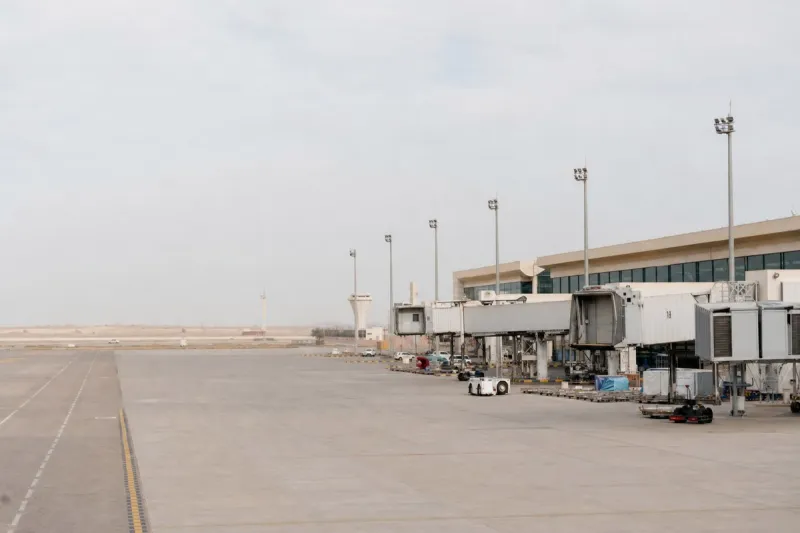
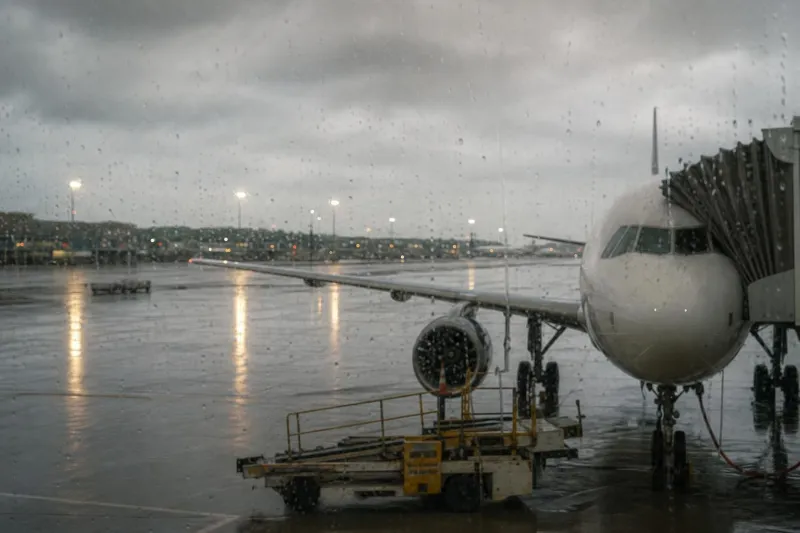
Hundreds of passengers spent the night at Bergen Airport Flesland after a strike by members of the Norsk Flygelederforening union, in a dispute with Avinor Flysikring over working conditions and staffing levels, shut airspace over western Norway. The action escalated during the week and by Saturday evening had closed airspace above Bergen and Stavanger to regular traffic, prompting airlines to cancel or divert services and leaving aircraft and crews out of position across the network.

Between 300 and 400 passengers were reported to have stayed overnight in the departures hall at Bergen Flesland after airlines advised that hotel capacity in the Bergen area was exhausted. Camp beds were set up and blankets distributed inside the terminal. Some Bergen residents opened their homes to stranded travelers, though many passengers chose to remain at the airport to be close to potential rebooked departures.
In an update issued on 22 August, Avinor stated the strike would have "significant consequences" for flight operations in the coming days. Additional controllers are set to be withdrawn from duty from 25 August, a move forecast to produce extended delays at Oslo Gardermoen and intermittent closures of airspace over the Vestlandet region, with some airports potentially closed overnight for regular traffic during that period. Avinor and airlines are advising passengers to check flight status frequently before traveling to Bergen Flesland and to retain receipts for any additional expenses incurred during delays.
Industry impact & what to watch
Labor disputes involving air traffic control staffing tend to spread beyond the airports where the action is centered, because a single control unit can hold responsibility for airspace serving several airports at once. Western Norway's terrain concentrates this exposure: local and regional control units manage a mountainous coastal airspace where even a partial withdrawal of controllers can force temporary closures rather than gradual capacity reductions.
That structure explains why the impact is already reaching Oslo Gardermoen, a hub with no direct role in the underlying dispute, alongside Bergen and Stavanger. Airlines operating in and out of Norway are managing the knock-on effect of aircraft and crews displaced from their normal rotations, which tends to produce disruption that outlasts the immediate closure period.
The next dated milestone is 25 August, when additional controllers are due to be withdrawn from duty. Whether Avinor and the union reach a settlement before then, and how far the forecast overnight closures over Vestlandet actually extend, will determine whether the disruption stays contained to western Norway or deepens across the national network.