Cloncurry Airport faces operational downgrade unless $10 million secured before wet season
Why It MattersThe case shows how a single regional airport's runway condition can ration access for an entire mining district's fly-in fly-out charter and scheduled traffic if repair funding lags behind seasonal risk.
What happened
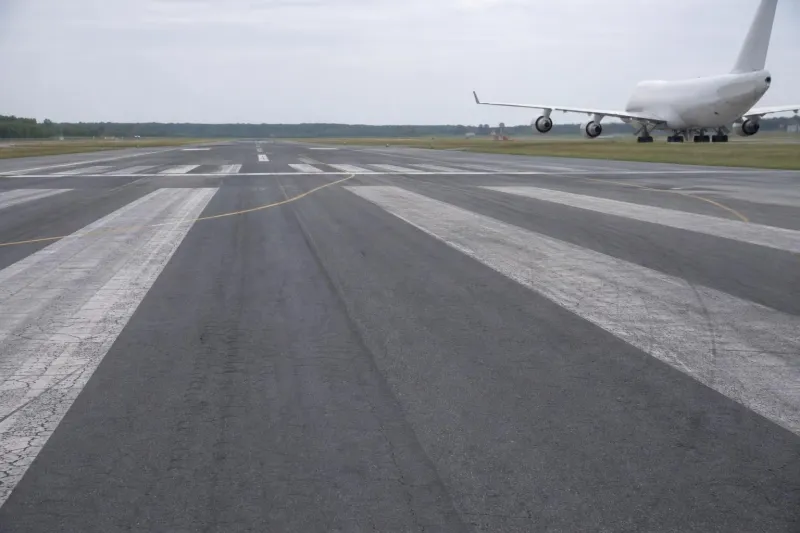
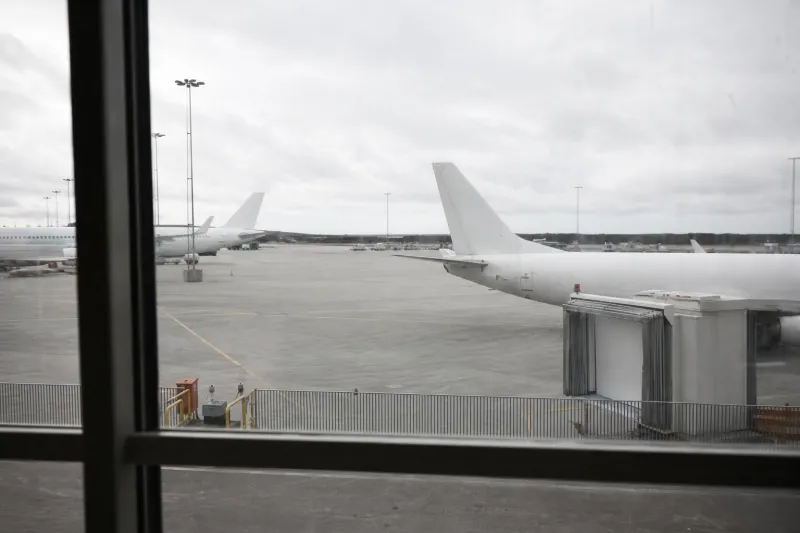
Cloncurry Shire Council has warned it may need to downgrade the operational status of Cloncurry Airport ahead of this wet season unless $10 million in additional funding is secured, a step that would restrict heavier jet aircraft and affect fly-in, fly-out mining flights across North West Queensland. Mayor Greg Campbell said the warning follows a runway failure earlier this year, when a monsoon trough associated with ex-Tropical Cyclone Koji damaged the tarmac in January.
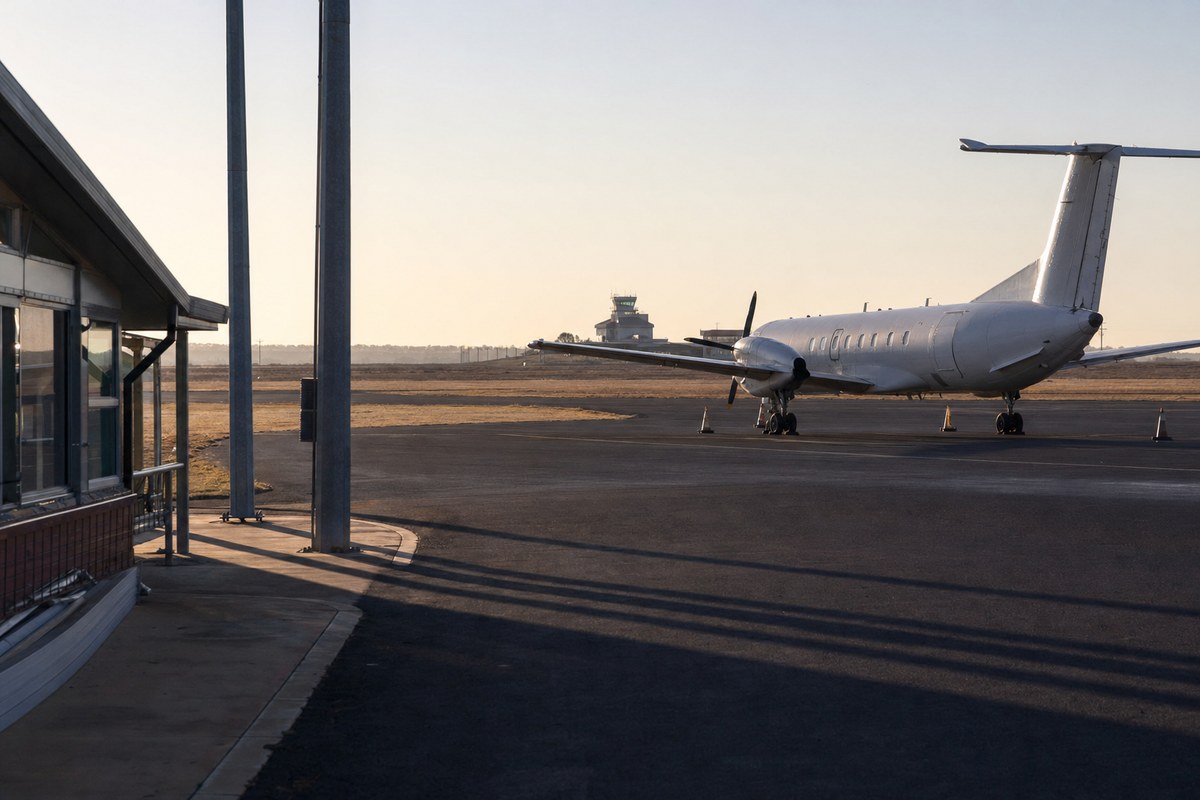
Emergency repairs costing approximately $2 million restored the runway to near-normal operations, but Cr Campbell said the patch remains vulnerable to further damage in a severe weather event. "The technical advice we're getting is that if we have a severe weather event like the last wet season, we will need to downgrade the airport to ensure we do not have another catastrophic failure of our key asset," he said, adding that securing the $10 million and completing upgrades before the wet season would be "the best solution."
The Commonwealth and Queensland governments committed $11.5 million through Disaster Recovery Funding Arrangements following the January damage. Council has planned a $26 million full rehabilitation program to restore the runway and develop the airport into a broader aviation precinct capable of accommodating larger aircraft, with planning underway for four years as the runway approached the end of its useful life. Council applied for $14.5 million through the Federal Government's Regional Precincts and Partnerships Program, later updating the submission with market-tested construction prices obtained during tendering; federal authorities treated the revised figures as a new application, pushing assessment from round two to round six, and council was notified last week that the application was unsuccessful. The airport supports mining operations including Ernest Henry, Dugald River, Eloise, Austral Resources, Eva Copper, True North Copper and Rocklands, plus future projects including CopperString, and Cr Campbell said some Qantas pilots had raised concerns about landing conditions during minor unseasonal rain over winter.
Industry impact & what to watch
Regional airports that carry concentrated mining traffic show how a single piece of infrastructure can become a chokepoint for an entire district's air access once its condition falls behind funding cycles. When a runway is patched rather than rebuilt, the margin for the next severe weather event narrows, and an operational downgrade becomes a live contingency rather than a remote one.
FIFO mining charter depends on airports being certified for the aircraft types that carry workers and supplies at the volumes mines need; a downgrade that excludes heavier jets forces a shift to smaller aircraft, more rotations, or alternate airports, raising cost and complexity for every operator serving those mine sites. Scheduled carriers weigh the same runway condition when deciding whether to keep serving a route, which is why pilot concerns raised during minor unseasonal rain carry weight beyond a single flight.
What happens next turns on whether state or federal government commits the remaining $10 million before the wet season begins, and on how the exhausted $11.5 million disaster-recovery funding is allocated if another major weather event forces further emergency repairs rather than the permanent fix council is seeking.