U.S. Removes Syria From Terror Sponsor List, Opening Door to Civil Aviation Revival
Why It MattersSanctions removal alone does not rebuild an aviation market; recovery tracks how fast foreign carriers, lessors and insurers re-enter once the legal barrier drops, as Syria's post-2024 growth already shows.
What happened
The United States formally removed Syria from its state sponsors of terrorism list on Aug. 24, 2026, ending a designation that had been in place since 1979. Secretary of State Marco Rubio announced the decision on X, stating: "Today, I formally rescinded Syria's designation as a State Sponsor of Terrorism. This action unlocks new potential for Syria's economic revitalization and progress."
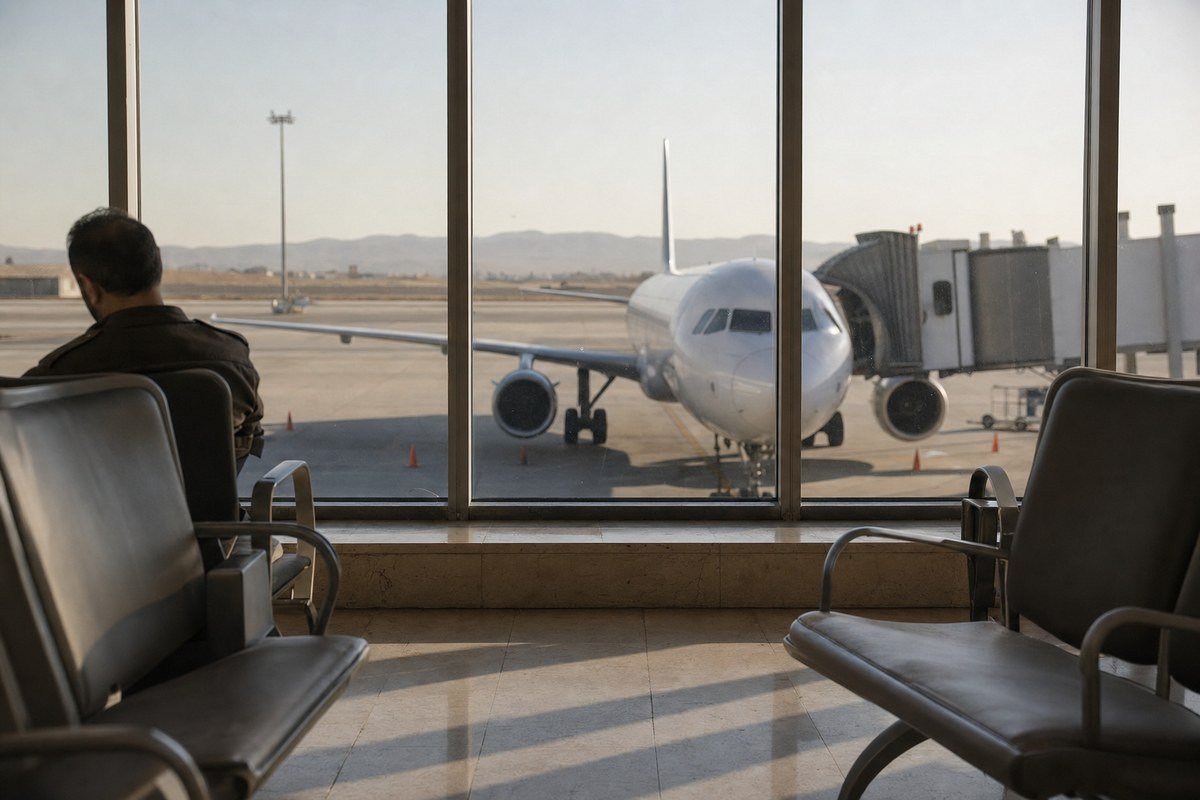
Omar Hosari, head of Syria's General Authority of Civil Aviation and Air Transport, called the removal one of the "biggest obstacles that shackled Syria and isolated it from the world for years," describing it as a "practical and strategic shift" that opens the door to rebuilding ties with airlines, manufacturers, lessors, insurers and financing firms, and to restoring long-severed air routes.
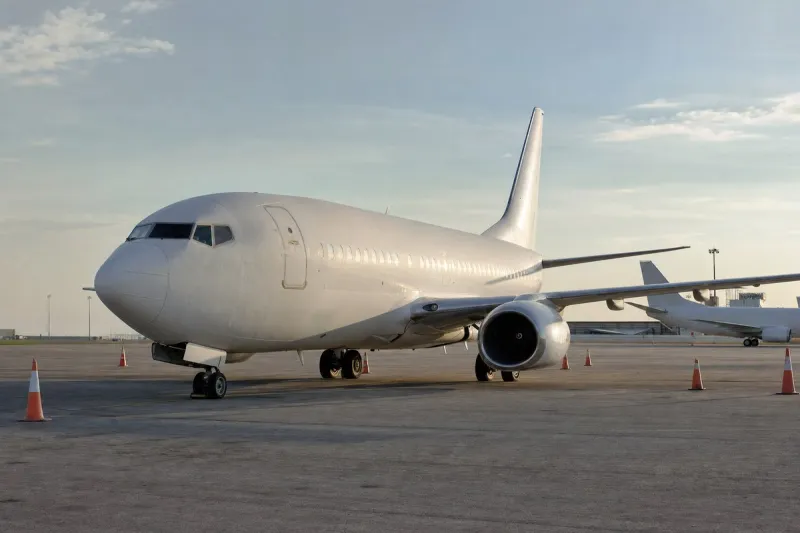
Syria's aviation sector has been recovering since the fall of Bashar Assad in December 2024. Seat capacity rose 118.5% between summer 2024 and summer 2025, and grew a further 54.2% in summer 2026 compared with the previous year, according to OAG data. The number of airlines serving Syria increased from four in summer 2024 to 18, while airport-pair connections climbed from 17 to 43 over the same period. Syrian operators, which controlled 61.8% of capacity in summer 2024, now account for roughly 24.7%, while Royal Jordanian leads foreign carriers with 126,816 departing seats, a 10.5% market share, followed by Air Arabia, Turkish Airlines, Flynas, Jazeera Airways, Flydubai and AJet. The UAE, Turkey, Kuwait, Saudi Arabia and Jordan together supply nearly 88% of all departing seats. Syrian Airlines has scheduled 104,100 two-way seats for summer 2026, down 34.5% from the previous summer, but now flies 16 routes, up from four a year earlier, including new destinations such as Amsterdam, Istanbul, Kuwait and Riyadh; its active fleet comprises three Airbus A320s and one Boeing 737-500, with one A320 and two A340s grounded, according to CAPA data. Fly Cham, Syria's largest airline, scheduled 489,996 two-way seats for summer 2026, a 28.6% increase, with its network doubling from nine to 18 airport pairs in a year, operating four Airbus A320s with a fifth grounded. With Syria's removal, only Cuba, Iran and North Korea remain on the U.S. state sponsors of terrorism list.
Industry impact & what to watch
Delisting a country from a terrorism-sponsor register removes a legal barrier that had kept Western lessors, insurers and financing firms away, but the traffic data already show that market entry does not wait for that step: regional carriers from the UAE, Turkey, Kuwait, Saudi Arabia and Jordan had already built Syria's connectivity from 17 to 43 airport pairs before this announcement.
That pattern shows how sanctioned or isolated markets typically reopen in aviation: neighboring and regional carriers move first because their risk tolerance and route economics allow it, while global lessors, insurers and long-haul flag carriers wait for the legal and financing environment to clear before committing aircraft or capital. Syrian Airlines' own contraction, even as the country's overall seat count grew, illustrates that removal of the U.S. designation helps the national carrier's access to financing and parts but does not by itself reverse a fleet that has three aircraft grounded.
What happens next will show in whether Western lessors and insurers begin quoting Syrian carriers, whether Airbus or Boeing engage on parts and support for the grounded aircraft, and whether the next OAG or CAPA seasonal data show foreign carriers ceding share back to Syrian operators rather than continuing to dominate.