European Commission Closes Antitrust Probe Into Pratt & Whitney Canada After Settlement
Why It MattersThe case shows regulators scrutinizing OEM control over maintenance networks and parts certification as a lever that can shape competition in the used-parts and MRO supply chain.
What happened
The European Commission announced on August 21 that it had closed its antitrust investigation into Pratt & Whitney Canada after the engine manufacturer amended and clarified its maintenance shop terms. The commission had been examining whether P&WC restricted used serviceable material suppliers' access to used turboprop engine cores for teardown, along with certification of the resultant spare parts.
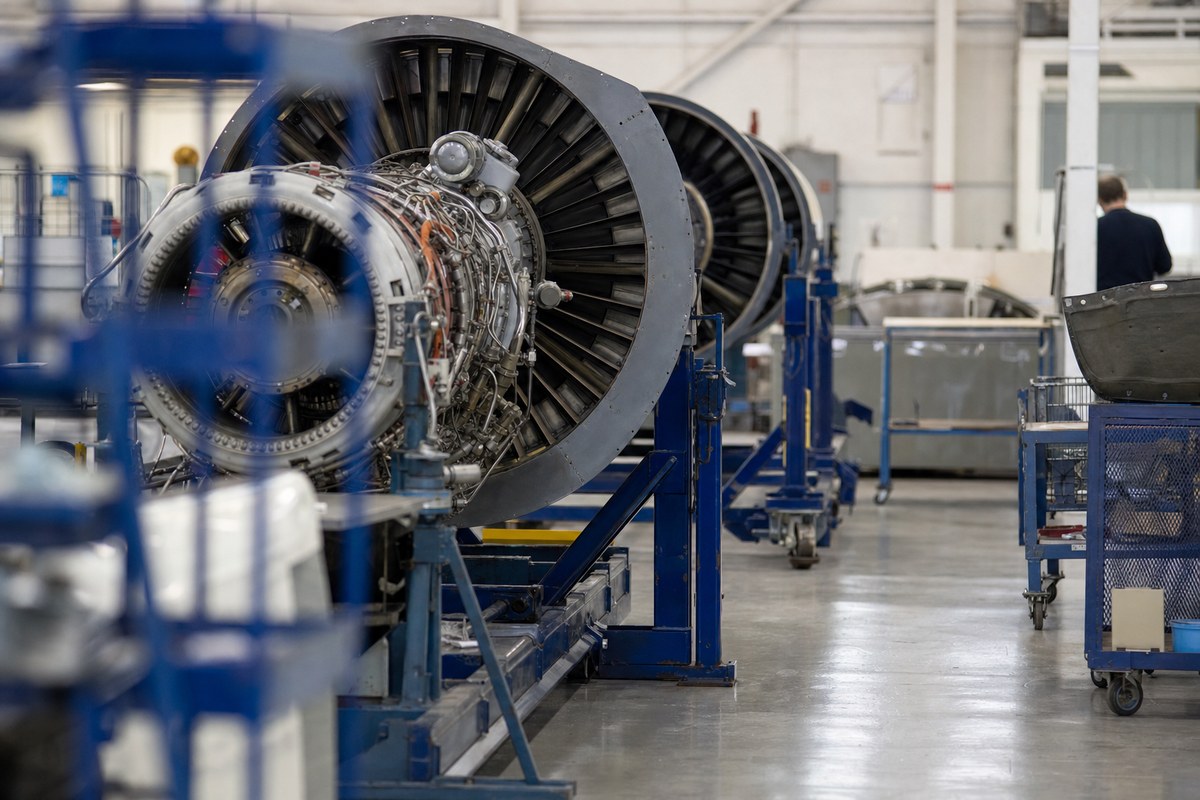
The commission noted that by limiting the ability of maintenance shops in its network to sell used engine cores or provide certification services to USM suppliers, P&WC may have restricted competition from independent USM suppliers. P&WC agreed to remove these restrictions and clarify that maintenance shops are not prevented from purchasing USM from other suppliers.
An EC spokesperson described it as "relatively rare" for a preliminary investigation to be closed in this manner, noting that as the investigation was never formally opened, no further details were made available. A P&WC spokesperson said, "Pratt & Whitney Canada confirms it has reached an informal settlement with the European Commission. We appreciate the commission's engagement throughout the process." The EC added that while its concerns had been addressed, the closure does not constitute a finding that the conduct complied with EU competition rules.
Industry impact & what to watch
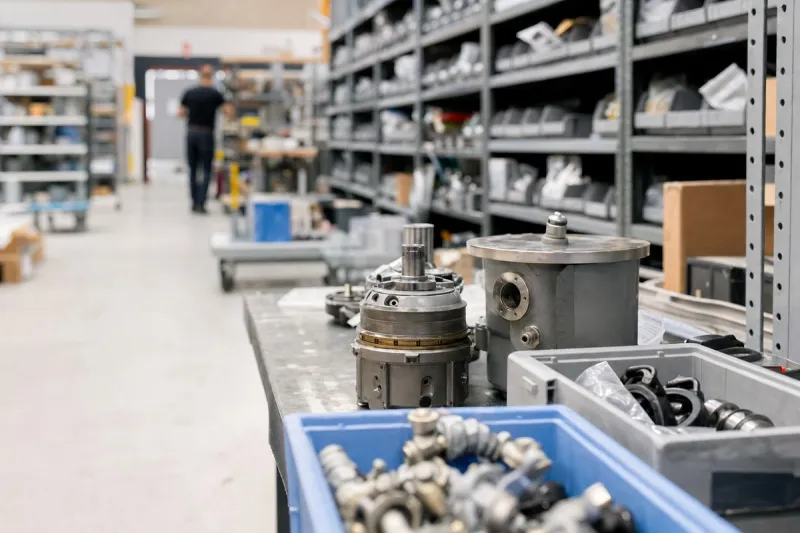
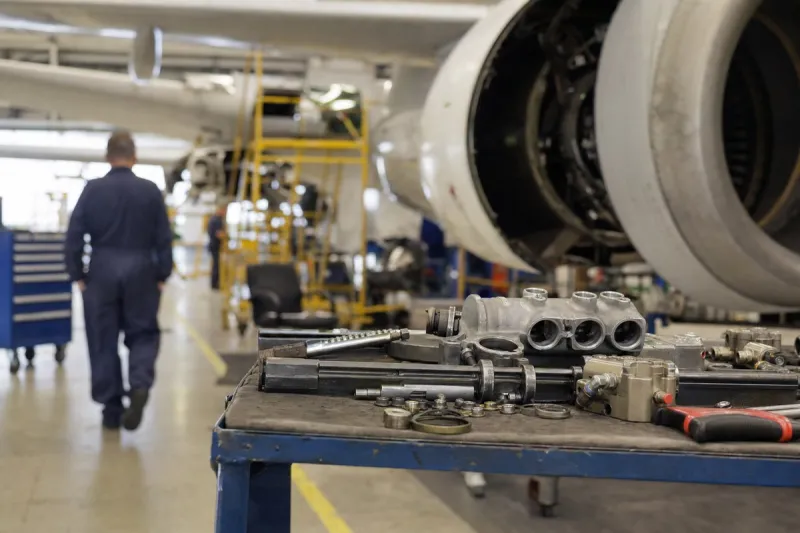
This case illustrates how OEM-run maintenance networks can become a competition flashpoint when engine makers also control access to teardown material and parts certification that independent suppliers depend on. Used serviceable material sourcing sits at the intersection of OEM shop agreements and third-party MRO economics, so any contractual restriction on selling cores or certifying parts outside the network directly affects how much competition independent suppliers can offer on price and availability.
Because the EC closed the matter through an informal settlement rather than a formal finding, the commission explicitly noted this does not establish that P&WC's prior conduct violated EU competition rules. What remains to watch is how P&WC's maintenance shops implement the clarified terms in practice, and whether independent USM suppliers see actual improved access to turboprop engine cores and certification services as a result.