Belfast City Airport Seeks 27% Rise in Flight Cap, Backs £200M Expansion Plan
Why It MattersRegional airports are increasingly pairing capacity-limit reviews with private terminal investment, tying local planning approvals directly to how much scheduled capacity carriers can add.
What happened
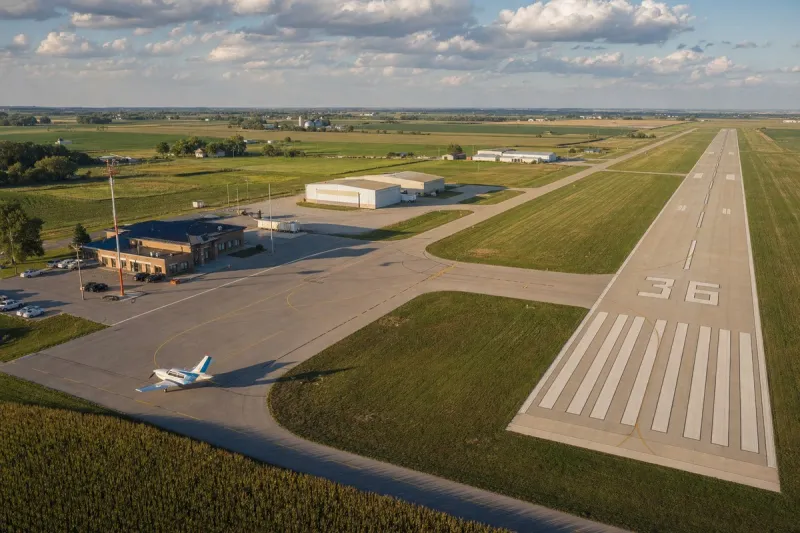
Belfast City Airport is seeking to raise its annual aircraft movement limit by 27%, from 48,000 to 61,000, and to extend scheduled operating hours by one hour, while keeping the existing no-fly period between midnight and 6:29 a.m. The airport says the additional movements can be accommodated within its existing noise-contour limits and environmental controls, and that no runway extension is planned.
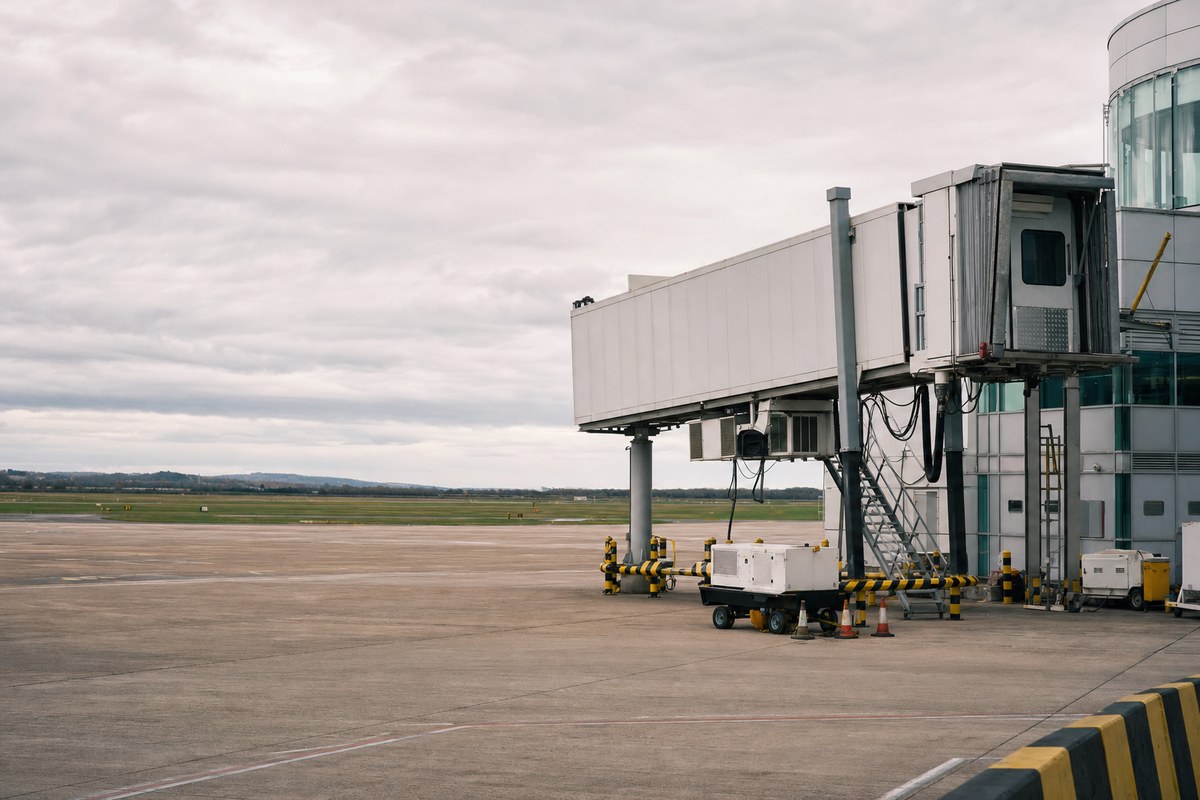
The operational changes accompany a proposed £200 million ($273 million) private investment covering terminal expansion, new aircraft stands, additional airfield infrastructure, a multimodal forecourt, additional parking, and complementary developments that could include a hotel. Belfast City Airport has submitted Proposal of Application Notices to Belfast City Council and Ards and North Down Borough Council to begin consultation on its draft infrastructure proposals, with formal planning applications expected later this year. The movement-limit and operating-hour amendments will be considered separately by Northern Ireland authorities.
The proposals sit within the airport's Master Plan 2040, which forecasts Northern Ireland's airports will need to handle up to 21 million passengers annually within 15 years, with Belfast City Airport's own share expected to reach 7 million. CEO Matthew Hall said extended hours and increased movement limits are critical to meeting forecast demand and improving connectivity to the UK and Europe. The masterplan is estimated to generate an annual £1.7 billion contribution to Northern Ireland's economy and support more than 23,000 jobs. The airport also plans to explore a pedestrian connection to a potential future rail halt with public transport operator Translink, which could make it the first airport on the island of Ireland with a direct rail link. For summer 2026, OAG Schedules Analyser data shows the airport offering approximately 951,900 departure seats, up 15% from 828,000 in summer 2025, with UK routes accounting for more than 95% of scheduled capacity. Aer Lingus Regional is the largest operator with 362,100 departure seats (38% of capacity, up 17.7% year on year), followed by easyJet with 294,900 seats (up 39.5%) and British Airways with 242,100 seats (down 5.2%). Across the wider Belfast market, Belfast City Airport and Belfast International Airport together offer 3.5 million departure seats in summer 2026, up 5.2% year on year.
Industry impact & what to watch
This is a case of an airport trying to unlock more scheduled capacity through a movement-cap increase while presenting it alongside a private capital commitment, framing the two as linked even though separate approval processes will decide each one. The movement-limit and operating-hour changes go through Northern Ireland's regulatory process, while the terminal and infrastructure investment goes through local council planning consultation, so the £200 million spend and the 61,000-movement cap are not guaranteed to land together or on the same timetable.
How this plays out shapes what scheduled carriers can add at Belfast City Airport over the next several years: Aer Lingus Regional, easyJet and British Airways already account for the bulk of the airport's summer 2026 capacity, and a higher cap combined with an extra operating hour would give them room to grow frequencies on UK routes that already make up more than 95% of scheduled seats.
What to watch is whether Northern Ireland authorities approve the movement and hours changes on a separate track from the planning consultation with Belfast City Council and Ards and North Down Borough Council, and whether the formal planning applications expected later this year confirm the scope of the £200 million programme as described.