Australia's Stralis to Shut Down Hydrogen-Electric Air Taxi Startup by End of August 2026, Never Having Launched Passenger Flights
Why It MattersHydrogen-electric propulsion for regional aircraft remains dependent on certification cost, fuel infrastructure and airline demand maturing together before any single developer can commercialize the technology alone.
What happened
Stralis, an Australian hydrogen-electric aviation startup, has announced it will wind down all operations by the end of August 2026, closing before it ever launched commercial passenger flights. The company completed its first hydrogen-electric taxi test in July but determined it "could not close the gap between proof and commercial readiness quickly enough to sustain the business," according to ch-aviation.
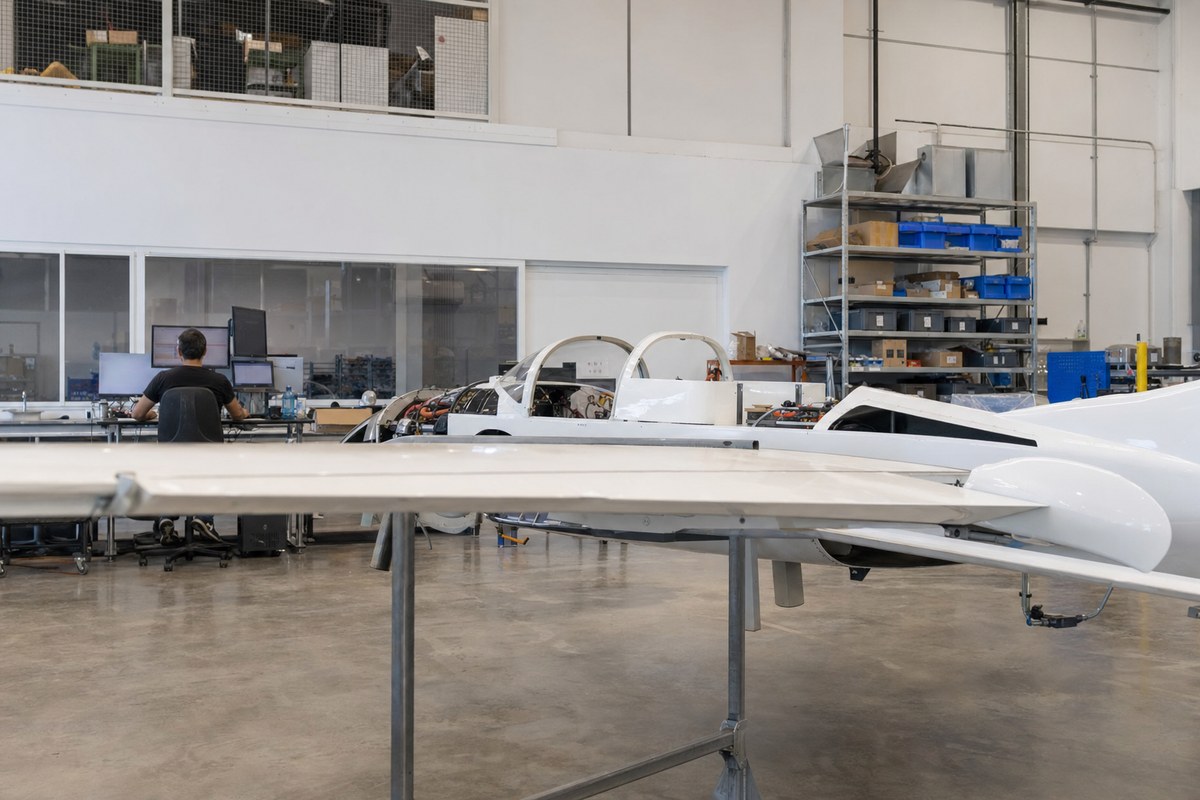
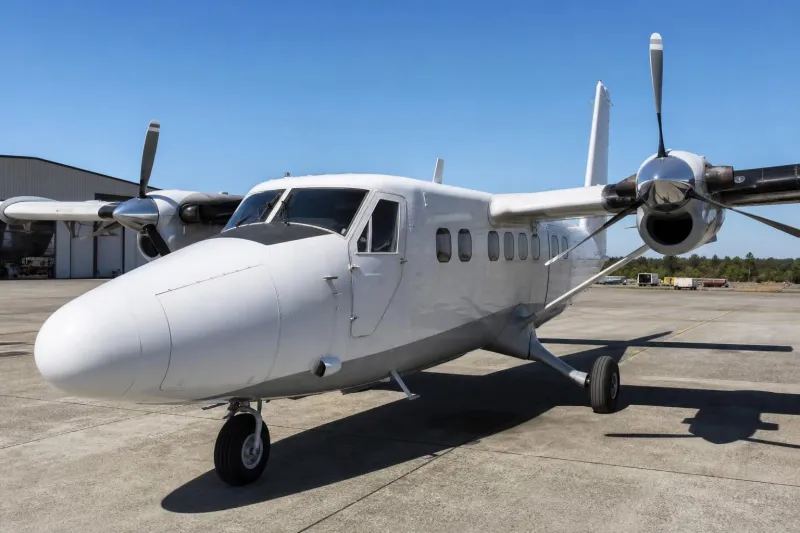
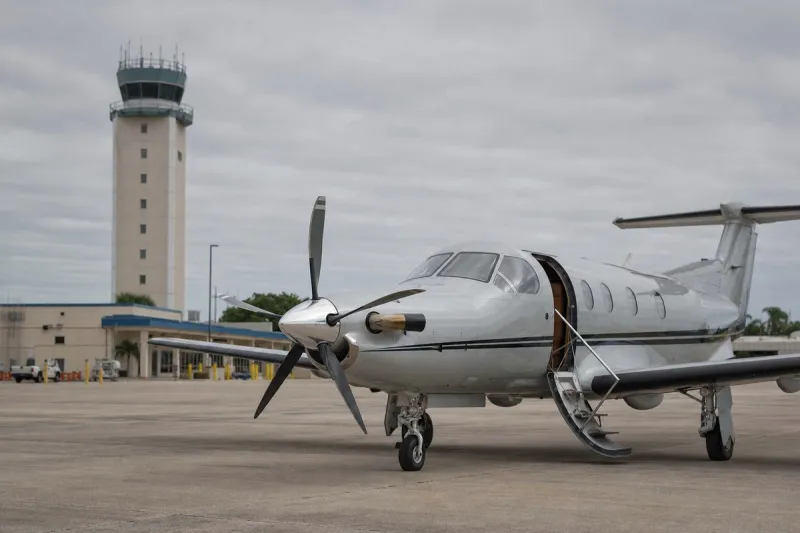
Stralis had been developing aircraft technology based on high-temperature proton-exchange membrane fuel cells, with plans to operate short regional flights using hydrogen-electric versions of Beechcraft 1900D aircraft. Evia Aero, a European aviation startup, had committed to six of those aircraft with options for additional planes. Stralis cited high certification costs, insufficient airline demand, immature hydrogen supply and infrastructure, and regulatory challenges as obstacles. No passenger flights had been launched prior to the shutdown, meaning travelers face no cancellations or disruptions.
Evia Aero said it "deeply regret[s] Stralis' decision to exit the market" but remains committed to introducing sustainable aircraft after 2030 through a multi-manufacturer approach.
Industry impact & what to watch
Stralis joins a category of propulsion startups that can demonstrate a technical milestone, such as a first taxi test, while still lacking the certification pathway, supply chain and customer base needed to reach revenue service. The gap between proving a concept and sustaining a business around it is where many of these ventures have stalled before ever carrying a passenger.
Hydrogen-electric regional aviation depends on several things maturing together: airframe conversion approval, fuel-cell certification, hydrogen production and airport refueling infrastructure, and airline willingness to commit to unproven aircraft types. A single manufacturer commitment, like Evia Aero's order for six Beechcraft 1900D conversions, is not enough on its own if the certification cost and infrastructure gap outpace the startup's runway.
Evia Aero's stated intent to pursue a multi-manufacturer approach after 2030 suggests other developers will now be watched for whether they can absorb the demand Stralis leaves unmet, and whether hydrogen refueling infrastructure develops in time to support any of them.