First fully UK-built Britten-Norman Islander since production repatriation begins ground testing, targeting September first flight
Why It MattersReshoring complete manufacturing back to a single UK site signals a manufacturer betting that in-house control over assemblies can shorten the path from production to delivery for a legacy utility airframe.
What happened
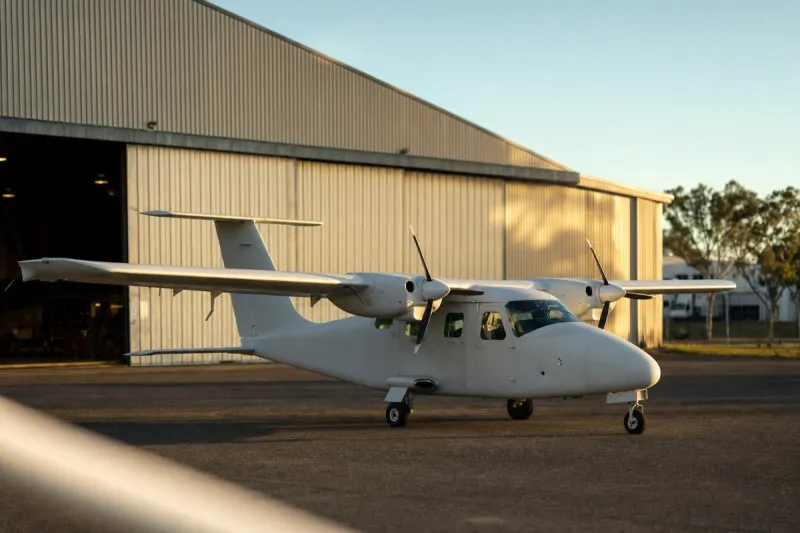
Britten-Norman has begun ground testing on the first Islander fully manufactured in the United Kingdom since the company repatriated its assembly line to Bembridge, Isle of Wight. The aircraft is on track for a first flight in September 2026.
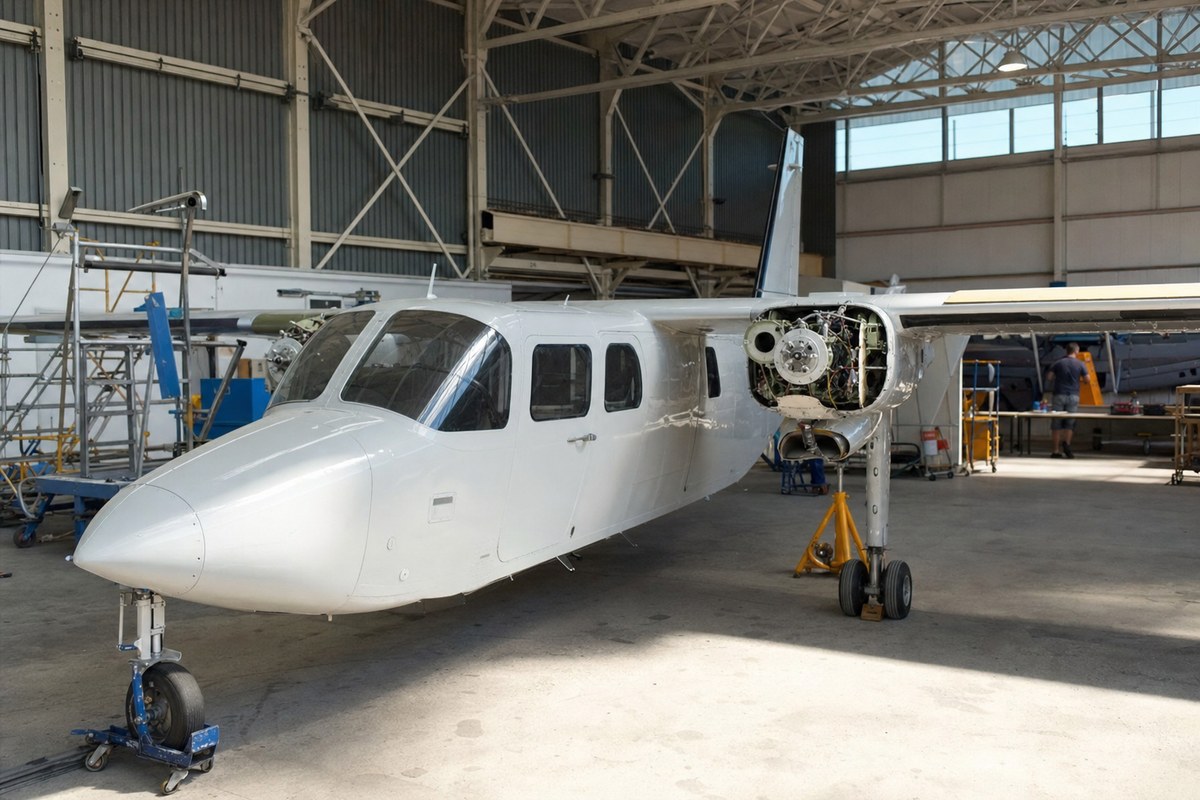
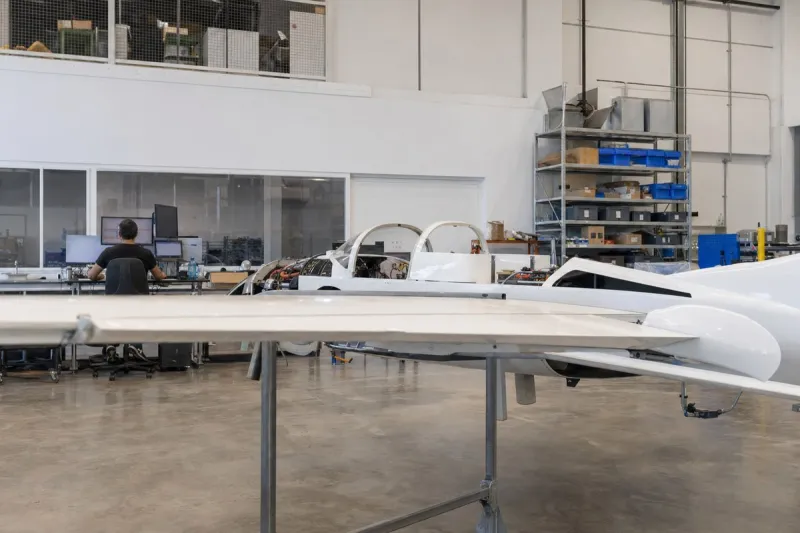
The aircraft was rolled out at Britten-Norman's Bembridge facility on 30 July 2026, a day after electrical power was successfully applied for the first time on 29 July. The roll-out followed installation of the aircraft's engines, propellers, cowlings, electrical systems, brakes and flight control surfaces. Structural completion had reached 75% in June 2026.
Once the flight-test programme and customer acceptance are complete, the aircraft will be delivered to the Falkland Islands Government Air Service. Duane Stewart, General Manager of FIGAS, said the new Islander would be a valuable addition to the fleet and help continue providing an essential service to the community. A second airframe is already progressing through the Bembridge production line, with components for follow-on aircraft in manufacture, and Britten-Norman's workforce has grown by more than 40% since production was reshored. Richard Milne, Chief Operating Officer at Britten-Norman, called the roll-out "a hugely significant moment" and said the company plans to open its Bembridge facilities to selected customers and media ahead of a formal market launch later in 2026. Peter McKenna, owner of Aer Arann, noted that his company has operated Islanders for more than 56 years and welcomed the return of new production at Bembridge.
How it unfolded
First flight is targeted.
The aircraft was rolled out at Britten-Norman's Bembridge facility, following installation of engines, propellers, cowlings, electrical systems, brakes and flight control surfaces.
Electrical power was successfully applied to the airframe for the first time.
Structural completion of the aircraft reached 75%.
Industry impact & what to watch
Small utility-aircraft programmes rarely attract this kind of milestone reporting, so the sequence of structural completion, power-on and roll-out is itself a signal that Britten-Norman is trying to demonstrate a repeatable production cadence rather than a one-off build. A second airframe already moving through the same line, alongside components for further aircraft, points to an intended rate rather than a single reshored example.
For a type built to serve short-runway and remote-community routes, delivery certainty matters as much as unit economics: an operator such as the Falkland Islands Government Air Service depends on the aircraft arriving when promised to sustain scheduled island links. A workforce that has grown by more than 40% since production returned to Bembridge indicates the company is scaling labour capacity ahead of confirmed demand, a wager that only pays off if orders follow the planned market launch later in 2026.
The next checkpoints are the September first flight, the completion of the flight-test programme and customer acceptance ahead of the FIGAS delivery, and the customer and media opening of the Bembridge facilities that Britten-Norman has attached to its formal market launch.