Atlantic Aviation Breaks Ground on New FBO at Nashville's John C. Tune Airport
Why It MattersFBO chains are expanding into secondary airports near growing metro areas to capture business aviation demand that primary hub facilities can no longer absorb.
What happened
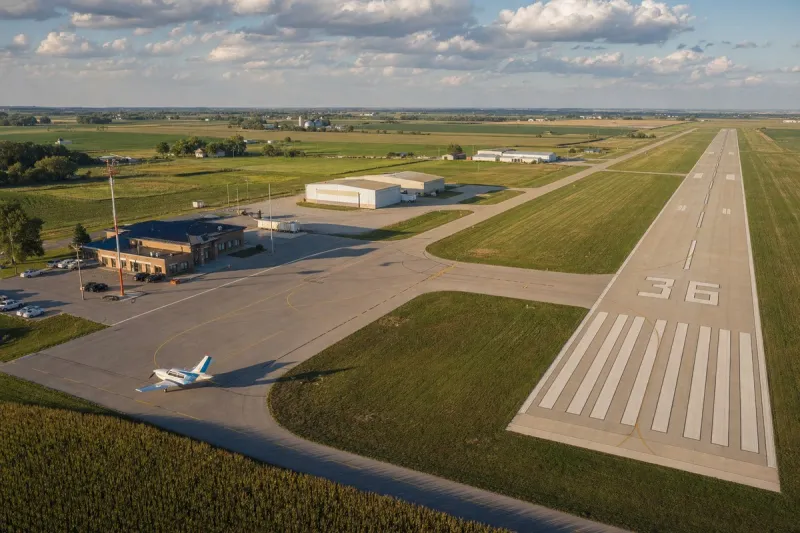
Atlantic Aviation has begun construction on its first facility at John C. Tune Airport (JWN), located eight miles west of downtown Nashville, Tennessee. The project marks the company's entry into the JWN market and is part of a broader expansion within the Nashville region.
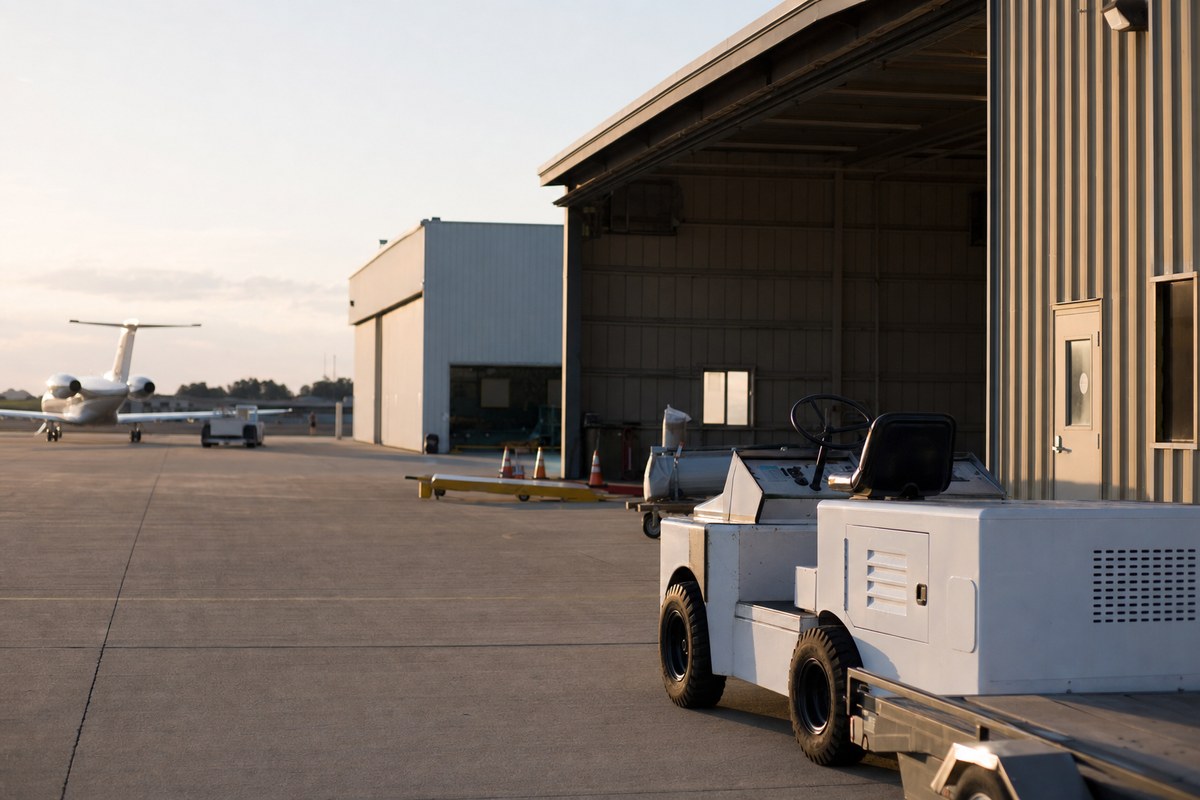
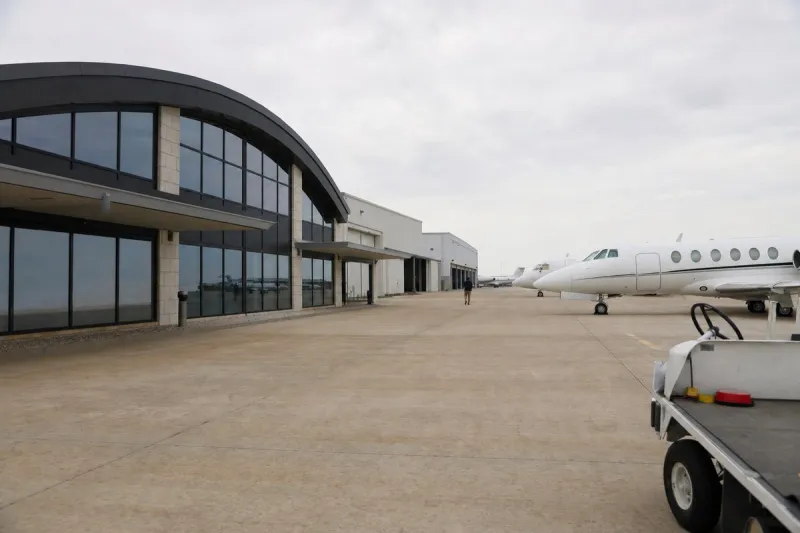
The new facility will include a 7,500-square-foot executive FBO terminal, a 37,000-square-foot hangar and office complex designed to accommodate a full range of business aviation aircraft, and approximately 175,000 square feet of new ramp space. Supporting infrastructure will comprise a 60,000-gallon Jet-A fuel farm, 12,000 gallons of 100LL fuel capacity, and a dedicated de-icing pad. Project completion is targeted for Q4 2027.
John C. Tune Airport is owned and operated by the Metropolitan Nashville Airport Authority, which also owns and operates Nashville International Airport (BNA). Jeff Foland, Chief Executive Officer of Atlantic Aviation, said seeing construction begin at John C. Tune Airport is an exciting milestone for the company and its partnership with the Metropolitan Nashville Airport Authority, and that Nashville continues to be one of the most dynamic markets in the country.
Industry impact & what to watch
A national FBO chain choosing to build fresh capacity at a secondary airport rather than expand only at the region's primary international gateway shows how business aviation infrastructure investment tracks metro-area growth rather than any single airport's traffic figures. Nashville International Airport and John C. Tune Airport share the same airport authority, so the new facility adds a second point of access for business aircraft in the same metro area instead of competing directly with existing ramp space at BNA.
FBO development of this scale depends on fuel storage, hangar footprint and ramp area being sized together, since a terminal without matching fuel and parking capacity cannot absorb added traffic. The 60,000-gallon Jet-A farm, 12,000-gallon 100LL capacity and 175,000 square feet of ramp space signal an operator planning for sustained volume rather than a single-tenant hangar.
Whether this facility changes actual traffic patterns in the Nashville area will depend on which operators and aircraft owners base or route through John C. Tune once the terminal, hangar and ramp are complete in Q4 2027.