Private jet catering shifts toward personalized health-focused dining, says SkyDine Jet Catering
Why It MattersAs catering personalization deepens, dietary sourcing, verification and last-minute change handling become a differentiating operational capability rather than a back-of-house afterthought for private aviation providers.
What happened
SkyDine Jet Catering says private aviation catering is shifting toward health-focused, highly personalized dining, driven by changing passenger preferences, specialized dietary requirements, and complex logistics. The company states that the definition of a healthy meal has expanded beyond salads and fruit platters to include keto, low-carb, high-protein, low-sodium, plant-based, and portion-controlled meals, alongside requirements tied to allergies, food intolerances, and religious dietary laws such as halal and kosher.
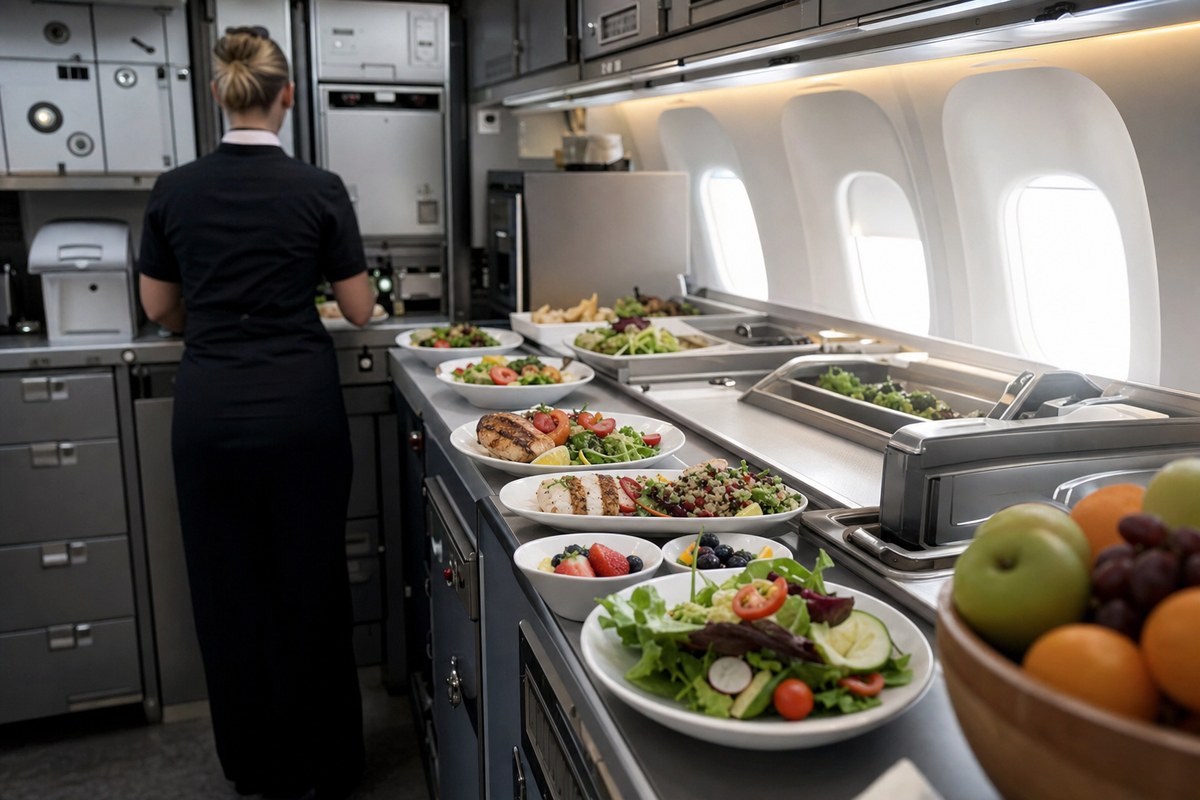
SkyDine Jet Catering notes that passenger expectations increasingly resemble those of high-end restaurants, with diners expecting meals prepared specifically for them. It describes the logistical chain required to deliver this at altitude: meals are prepared on the ground, transported to the airport, cleared through security, loaded onto the aircraft, and stored until service, with some items reheated in the aircraft galley, while temperature, texture, and presentation must remain consistent throughout.
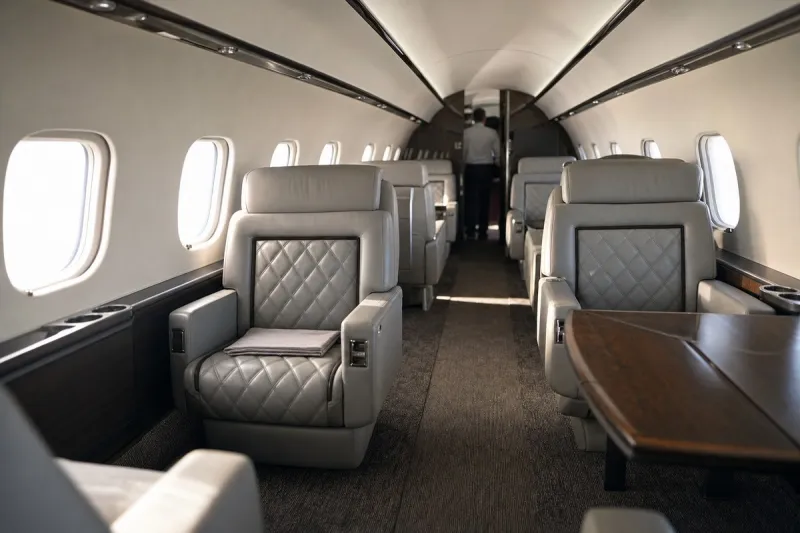
The company says galley equipment varies by aircraft type and size, affecting menu design, and that flight duration is a critical factor, since catering for long-range international flights must remain in proper condition throughout the journey while short domestic flights allow quicker consumption. Flight attendants are described as the final link in the chain, responsible for correctly identifying, preparing, and serving multiple differentiated meals without confusion, with clear labeling and packaging needed when several passengers aboard have different requirements simultaneously. SkyDine Jet Catering adds that last-minute departure time shifts, unexpected additional passengers, aircraft repositioning, and late menu change requests are common, but that certified kosher or halal meals or allergy-specific preparation require significantly more lead time and depend on the sourcing capabilities available at a given location.
Industry impact & what to watch
This account describes a broader move within luxury travel toward personalization over prestige, where SkyDine Jet Catering says passengers prioritize what suits their individual needs rather than uniformly impressive offerings. In private aviation catering, that shift moves complexity from the cabin into the ground chain: ingredient sourcing, dietary verification, temperature control, and coordinated delivery all have to function correctly before the meal reaches the galley.
The segment works on tight and variable timelines, so the constraint is less the menu itself than the lead time and local sourcing needed to fulfill certified kosher, halal, or allergy-specific orders when a departure time or passenger count changes late. Galley equipment differences across aircraft types and flight-duration limits on freshness mean the same menu cannot travel unchanged from a long-range trip to a short domestic hop.
What happens next depends on whether catering providers and operators can keep that sourcing and verification complexity invisible to the passenger, as SkyDine Jet Catering frames the goal, particularly under compressed timelines driven by last-minute schedule or passenger changes.