Flyte Builds Regional Private Aviation Service Around Cirrus SF50 Vision Jet
Why It MattersFixed-price short-haul jet service built on a single light-jet type shows regional charter economics can work below traditional turboprop price points when routes stay under 500 nautical miles.
What happened
Flyte, a regional private aviation operator founded by CEO Marc Sellouk, has built its business around the Cirrus SF50 Vision Jet, targeting flights of 400-500 nautical miles lasting roughly one to one-and-a-half hours. The company operates in two regions: the Northeast U.S., centered around Islip and Farmingdale, New York, and the Southeast U.S., centered on Ft. Lauderdale Executive Airport in Florida.
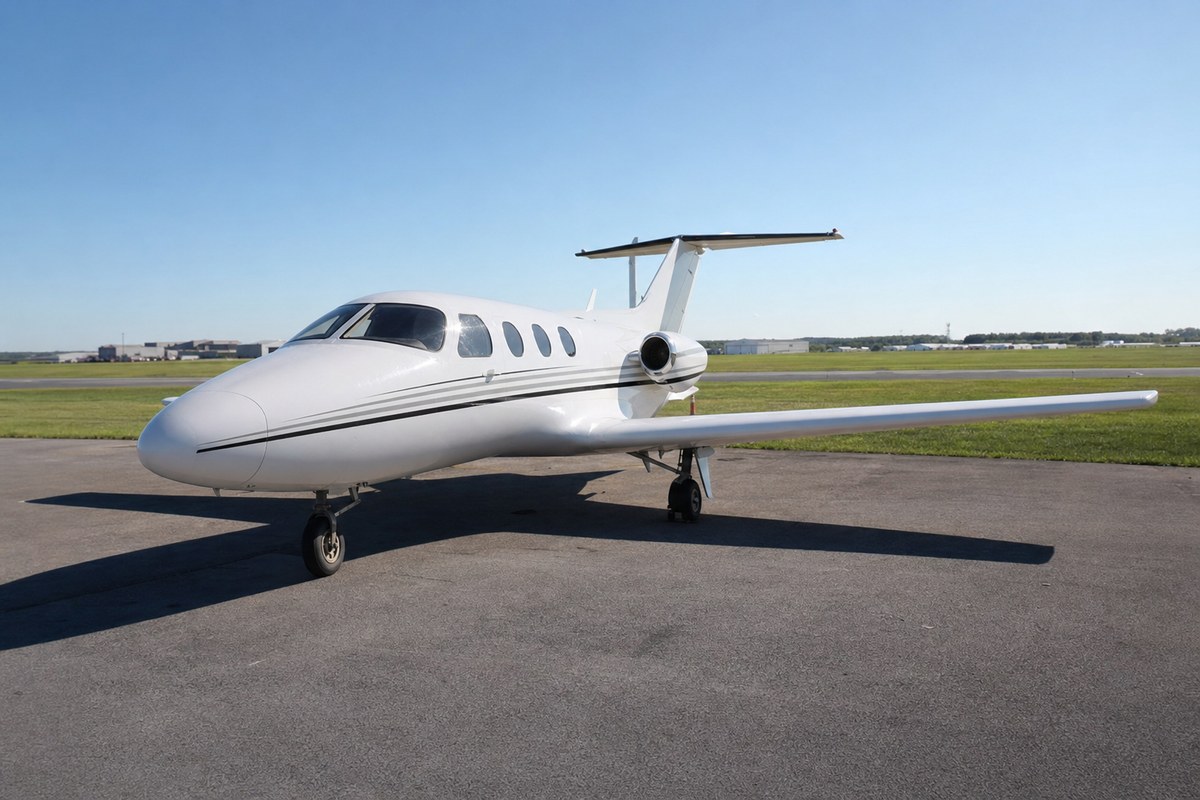
Flyte acquired its first Vision Jets in 2023 and currently operates a fleet of five aircraft, with plans to expand to as many as 15 by the end of 2027. At the time of a recent interview with Sellouk, four aircraft were based in the Northeast and one in the Southeast. The company has historically focused on wholesale flying, providing lift to other operators and partners, and is now expanding its direct retail offering to end clients.
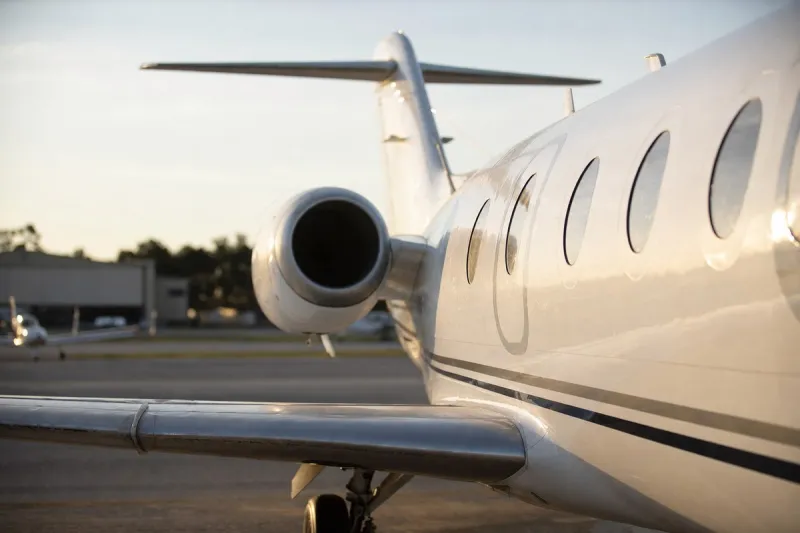
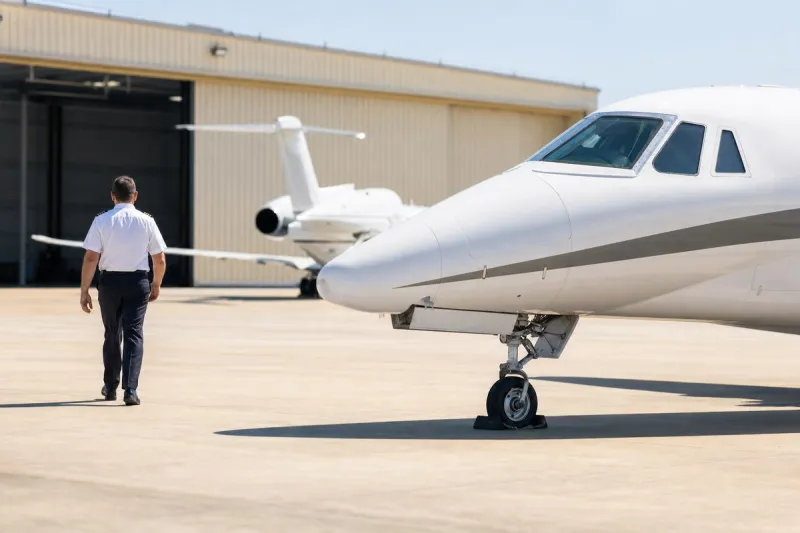
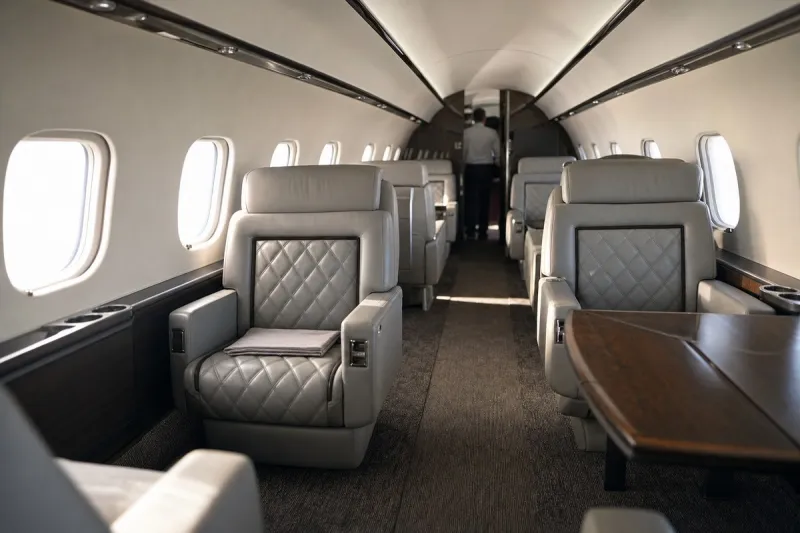
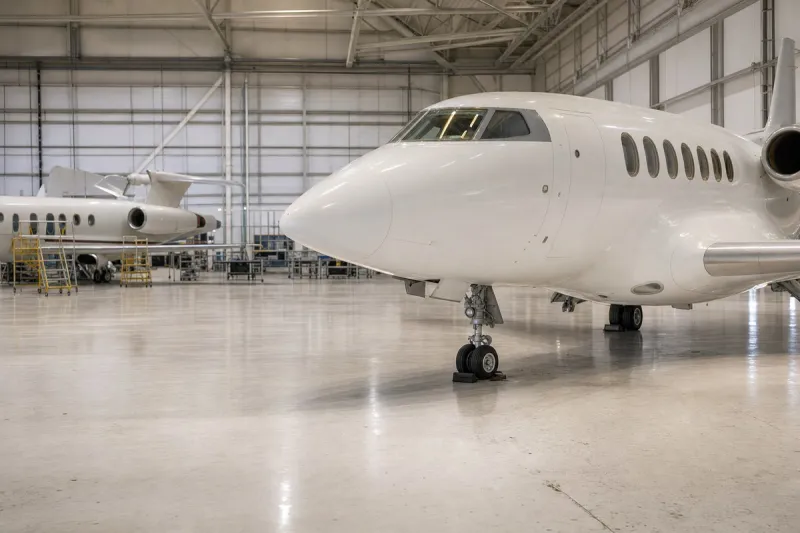
The SF50 is a single-engine very light jet with a maximum range of 1,275 nautical miles and a takeoff distance of 1,910 feet, giving it access to smaller airports. Flyte configures its cabins to seat four adults, two children, and a pet, with 300 lbs of luggage capacity. Most flights are operated with a single pilot, supported by the Cirrus Airframe Parachute System and the Safe Return Emergency Autoland system. The Cirrus SF50 has sold more than 700 units since its 2016 launch, including 105 sold in 2025. Most Flyte trips are under 300 nautical miles, with common routes including Nantucket, Martha's Vineyard, the Hamptons, Vermont, Boston, and Washington D.C. Sellouk said the company declines flights over 500 nautical miles that would take aircraft outside its defined regional areas. For many popular routes, Flyte offers fixed pricing, including New York (TEB) to Boston (BED) at $4,900 one way or $8,900 round trip, New York (TEB) to Nantucket (ACK) at $4,900 one way or $8,900 round trip, Cape Cod (HYA) to Portland (PWM) at $7,400 one way or $14,800 round trip, Westchester (HPN) to Saratoga Springs (5B2) at $4,900 one way or $8,900 round trip, and East Hampton (JPX) to Martha's Vineyard (MVY) at $4,900 one way or $8,900 round trip. Custom charter quotes are available for other airports within its service areas. Flyte faces competition from Tradewind and PlaneSense, both of which fly the Pilatus PC-12 turboprop on similar short-distance missions. Vision Jet operator Verijet, which had pursued a comparable regional model at lower price points, filed for bankruptcy in 2025.
Industry impact & what to watch
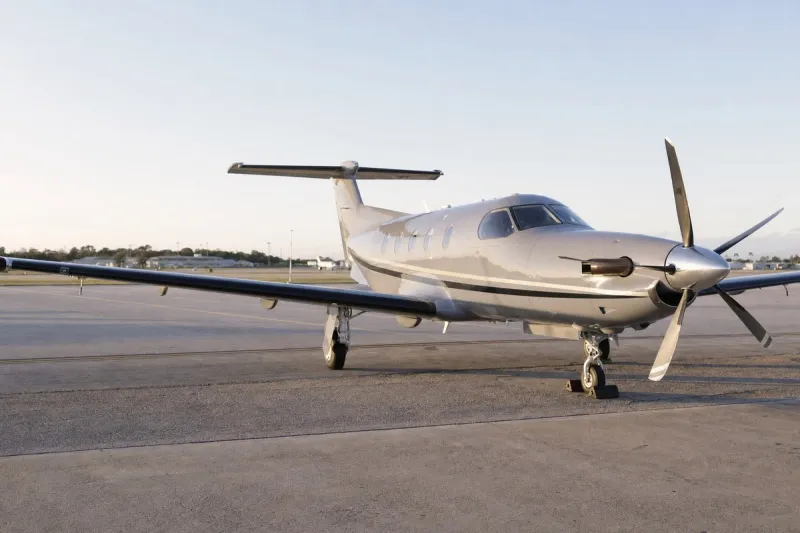
Flyte's model belongs to a broader push to fill the gap between traditional on-demand charter and scheduled airline service with fixed-price, short-haul jet trips into smaller airports that larger aircraft cannot use. The SF50's short takeoff distance and single-pilot operation let an operator serve secondary fields like Nantucket, the Hamptons, or Saratoga Springs at price points close to what turboprop competitors such as Tradewind and PlaneSense charge on the Pilatus PC-12, while still offering jet speed over the same 300-500 nautical mile missions.
The shift from wholesale lift toward direct retail sales changes how Flyte competes for the end client rather than for other operators' overflow demand, putting its published fixed fares in direct comparison with charter brokers' quotes on the same routes. Verijet's bankruptcy after pursuing a similar regional Vision Jet model at lower prices shows this segment's economics are sensitive to fleet size and pricing discipline, not just aircraft choice.
Whether Flyte reaches its stated target of 15 aircraft by the end of 2027, and how it balances the wholesale and retail sides of its business as it grows, will determine whether the fixed-price regional jet model scales beyond its current five-aircraft base.