India's Private Aviation Sector Moves Toward Integrated Ecosystem Driven by Wealth Growth and Policy Reform
Why It MattersWealth growth is outrunning domestic financing and infrastructure capacity, so India's private aviation demand keeps leaning on foreign leasing structures and slow-moving airport and pilot pipelines to catch up.
What happened
India's ultra-high net worth individual population, defined as those holding assets of $30 million or more, rose 63% between 2021 and 2026, climbing from just over 12,000 to 19,877, according to the Knight Frank Wealth Report cited in an analysis published in Hindustan Times on August 26, 2026. India now ranks sixth globally by UHNWI population.

On the supply side, GIFT IFSC had registered 40 aircraft lessors, with 203 aircraft and 84 engines leased through IFSC-based structures as of May 2026, according to the International Financial Services Centres Authority. A KPMG report produced with India's Ministry of Civil Aviation and FICCI put typical annual lease rentals at ₹7-8 crore per aircraft and said leasing activity linked to Indian aviation has remained largely externalised, causing recurring foreign exchange outflows.
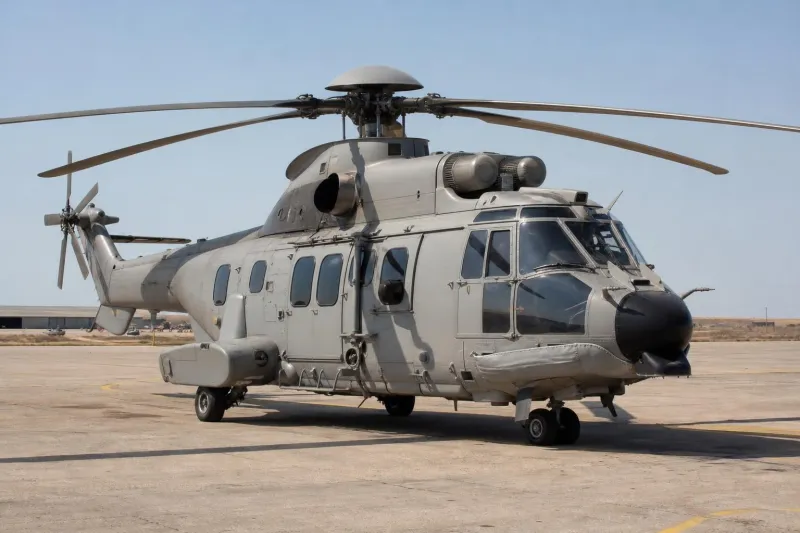
The government's Modified UDAN programme, approved in March 2026 with an outlay of ₹28,840 crore over 10 years, aims to strengthen regional connectivity through new airports and modern helipads targeting underserved and unserved locations. Chartered helicopters are also described as extending beyond business and leisure travel into religious and medical tourism. India's aviation roadmap for 2047 targets more than 350 airports, passenger traffic exceeding one billion, about 35,000 pilots, acquisition of nearly 2,000 aircraft and 25 million jobs, tied to a projected $10 trillion economy. There are currently 41 Flying Training Organisations operating from 63 flying bases, with 11 new FTOs planned across seven Airports Authority of India airports expected to add 750 cadet training places a year. Separately, 104 airports have switched entirely to 100% green energy usage. Financing models such as sale-and-leaseback and fractional ownership are named as enablers broadening access to private aviation among HNIs, entrepreneurs and corporates.
Industry impact & what to watch
A UHNWI population climbing 63% in five years while aircraft leasing stays concentrated in 40 GIFT IFSC lessors shows a demand curve moving faster than the domestic financing base built to serve it. Leasing income tied to Indian aviation flowing largely to structures outside the country is the clearest sign of that gap, and it explains why officials are trying to pull leasing activity onshore through IFSC registration rather than leaving it externalised.
Regional connectivity programmes like Modified UDAN work by subsidising routes and building small-airport and helipad infrastructure in advance of proven traffic, so their payoff depends on whether operators actually deploy aircraft into the underserved routes the ₹28,840 crore outlay is meant to unlock. Pilot supply works on a similar lag: adding 750 cadet places a year across new FTOs takes years to translate into deployable crew against a roadmap target of roughly 35,000 pilots.
What happens with GIFT IFSC lessor registrations and lease volumes over the coming reporting periods will show whether onshore leasing actually displaces the externalised structures the KPMG report flagged, and whether Modified UDAN's new airports and helipads convert into scheduled or charter capacity rather than remaining approved but unused.