China launches first SAF compliance service for foreign-registered business jets at Beijing Capital International Airport
Why It MattersDecoupling emissions-benefit attribution from physical refueling could let business jet operators claim SAF credits without each aircraft needing to uplift fuel locally.
What happened
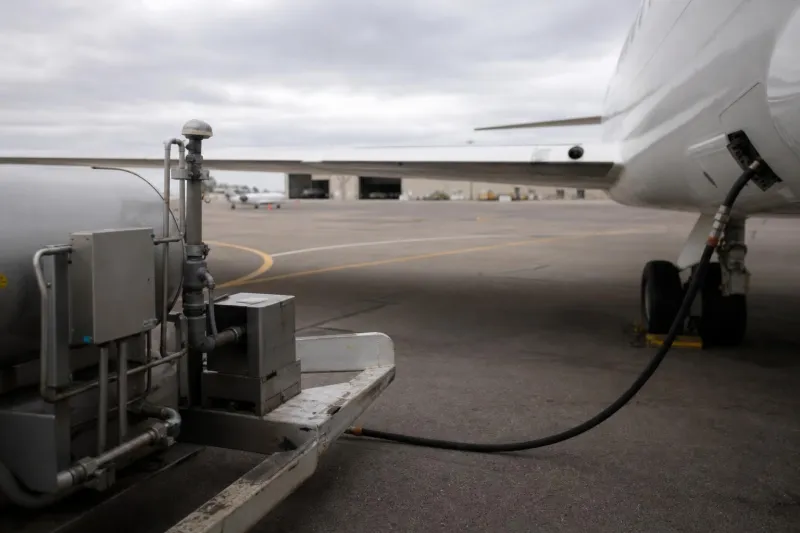
Sino Jet, working with China National Aviation Fuel, introduced a Sustainable Aviation Fuel compliance service aimed specifically at foreign-registered business jets, launched at Beijing Capital International Airport. The companies describe Sino Jet as the first business aviation service provider in China to adopt this service model.

Before this, SAF services in China were directed mainly at commercial passenger and cargo aviation, with no dedicated or standardized compliance service system established for international business jets.
The new model operates without changing existing airport operations or refueling procedures. It provides clear attribution and flexible transfer of SAF emissions reduction benefits, with the stated aim of lowering barriers to green transformation and simplifying SAF adoption for business aviation operators.
Industry impact & what to watch
This case illustrates how SAF adoption in business aviation has lagged the commercial sector, where fuel volumes and compliance frameworks are already established. A dedicated compliance layer for foreign-registered business jets addresses a gap that generic SAF programs, built around scheduled carriers, left unaddressed.
The emissions-benefit attribution and transfer mechanism matters because business jet operators often refuel across many airports and jurisdictions, making it hard to link a specific SAF purchase to a specific flight's compliance claim. A system that separates the SAF transaction from the physical refueling event lets an operator or its client claim a reduction benefit even when the aircraft itself never uplifts SAF at that location.
What happens next depends on whether other Chinese airports and fuel suppliers replicate this model, and whether foreign regulators or sustainability frameworks recognize the transferred benefit as valid for their own compliance or reporting purposes.