FAA Proposes Noise Certification Standard for Supersonic Aircraft, Aims to Enable Overland Supersonic Flight
Why It MattersCertification standards, not engine or airframe technology alone, are becoming the gating factor for whether overland supersonic service can ever launch commercially in the United States.
What happened
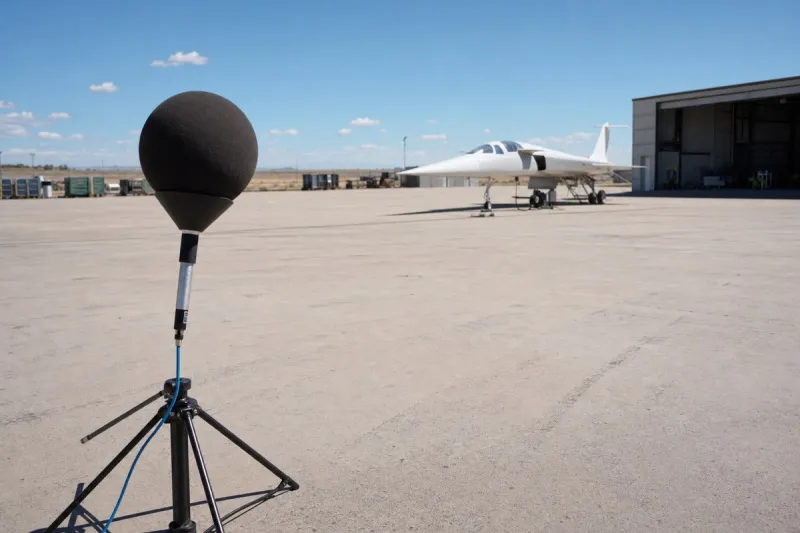
The Federal Aviation Administration has issued a proposed rule setting a noise-based certification standard for supersonic aircraft, Transportation Secretary Sean P. Duffy announced. The agency describes the step as part of enabling civil supersonic flights over the continental United States.
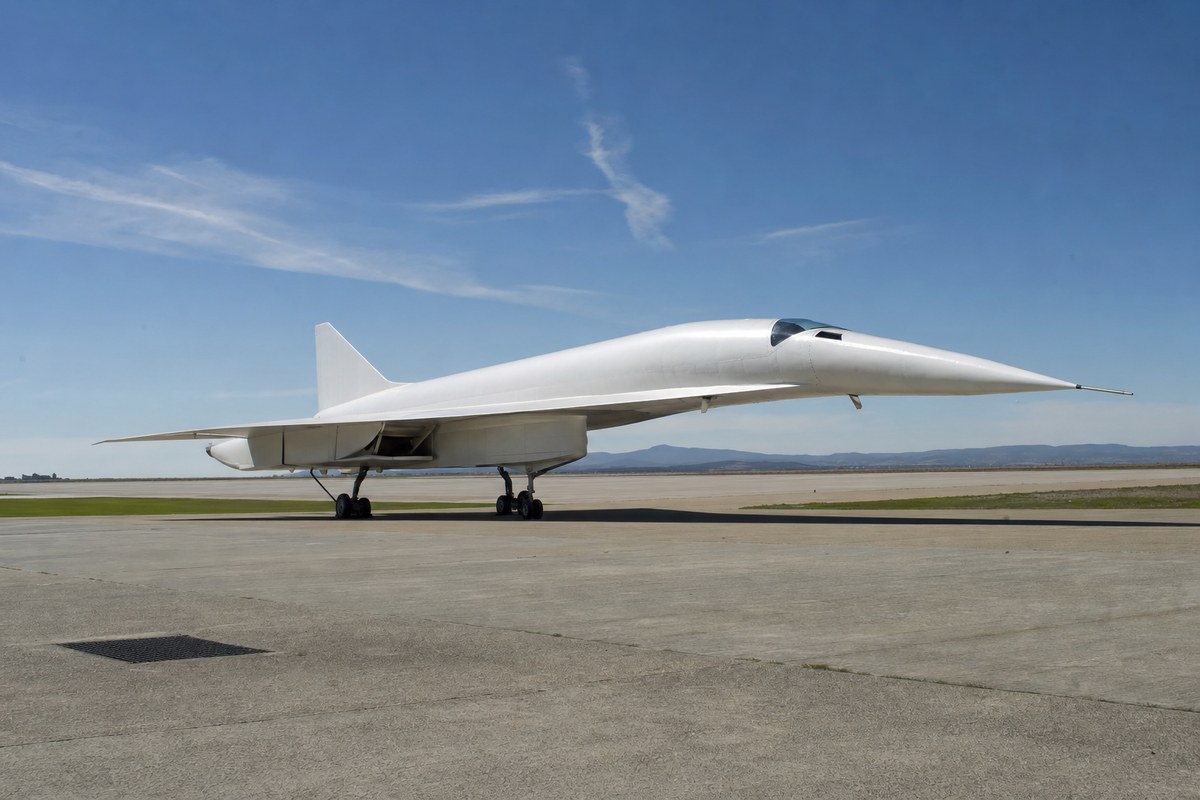
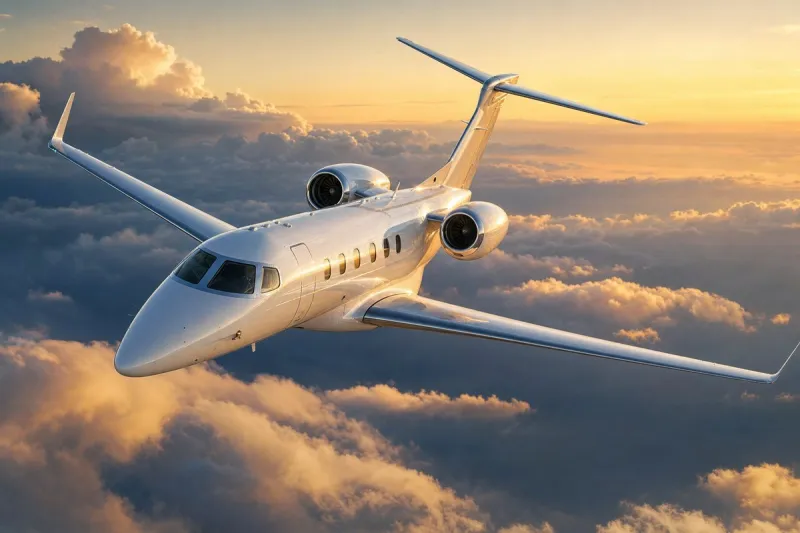
Supersonic aircraft fly at Mach 1 or above, roughly 770 miles per hour or faster, compared with the 550 to 600 mph typical of commercial airliners. Among the techniques under consideration is "Mach cutoff," where aircraft design, speed, altitude, and atmospheric conditions combine so the sonic boom refracts back into the atmosphere instead of reaching the ground. The FAA said it plans to propose a second rule later this year covering landing and takeoff noise standards for supersonic aircraft, with a goal of finalizing both rules by mid-2027.
FAA Administrator Bryan Bedford said advances in aerospace engineering, materials science, and noise reduction could eventually allow the United States to repeal its 1970s-era ban on supersonic flight over U.S. territory. The FAA is working with the International Civil Aviation Organization, NASA, industry, and academic institutions to develop the noise standards. Executive Order 14304 also directs the FAA to negotiate aviation safety agreements with foreign authorities to support international operation of supersonic aircraft.
Industry impact & what to watch
This is a regulatory-groundwork step, not an approval to fly supersonic over land yet: a proposed noise standard, a second rule still to come, and a target finalization date more than a year away. Overland supersonic flight in the United States has been barred since the 1970s specifically on sonic-boom grounds, so a workable noise certification metric is the mechanism that would have to exist before that ban could be repealed.
Certification frameworks like this typically move in stages: a noise standard first, operational noise limits for landing and takeoff second, then safety agreements with other civil aviation authorities to permit international routing. The FAA's coordination with ICAO, NASA, and industry and academic partners signals that any eventual standard needs international buy-in, since supersonic aircraft built to a US-only rule would still face restrictions abroad.
The near-term marker to watch is whether the FAA actually proposes the second rule, on takeoff and landing noise, later this year as planned, and whether the mid-2027 finalization target for both rules holds. Manufacturers developing supersonic designs will be watching how the Mach cutoff concept is treated in the final standard, since it determines what operating envelope a certified aircraft could use over populated areas.