AI Compresses Aerospace Materials R&D Cycles by Up to 70% as Global Tech Giants Target $650 Billion in Infrastructure Investment
Why It MattersAerospace materials and MRO providers face accelerating AI-driven consolidation as regional players race to capture value from faster, cheaper, more predictive manufacturing and maintenance workflows.
Artificial intelligence is compressing aerospace materials R&D cycles by 50% to 70%, reducing defect rates by 30%, and cutting unscheduled repairs by up to 40%, according to a BCC Research report titled "AI Impact on Advanced Aerospace Materials Market — BCC Pulse Report." North America leads AI adoption in advanced aerospace materials, backed by OEM innovation, R&D infrastructure, and defense-led funding, while Europe is mobilizing up to €200 billion ($226.2 billion) in EU-backed AI investment supported by at least 15 AI factories, with FAA and EASA certification requirements shaping deployment timelines. Asia-Pacific is the fastest-scaling region, with China's Five-Year Plan prioritizing AI in advanced manufacturing and Japan's Aerospace Exploration Agency launching a ¥1 trillion ($6.8 billion) Space Strategy Fund to double its domestic space market by the early 2030s.
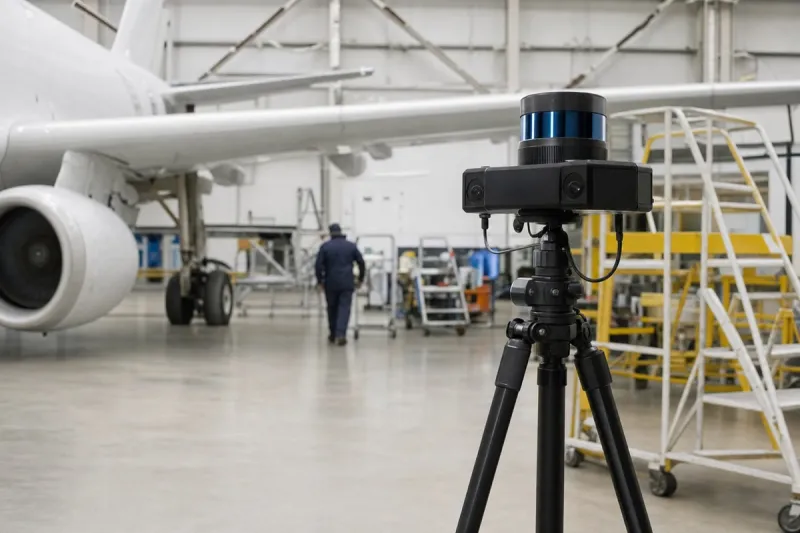
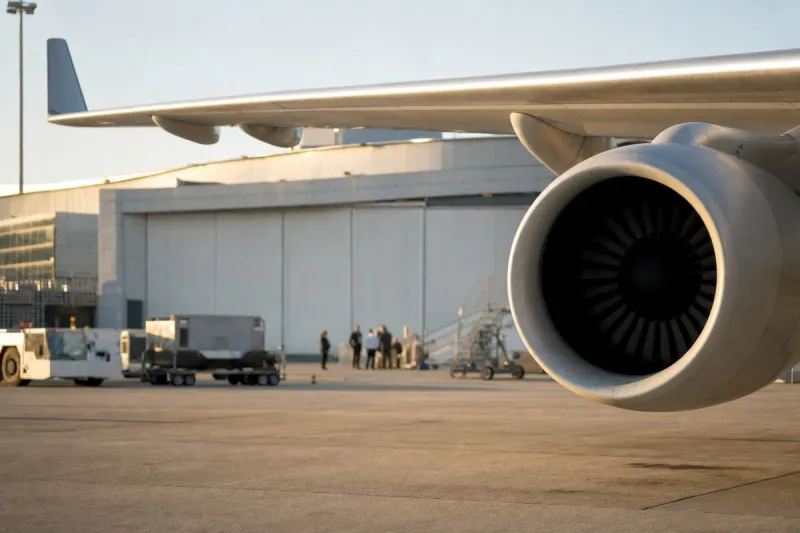
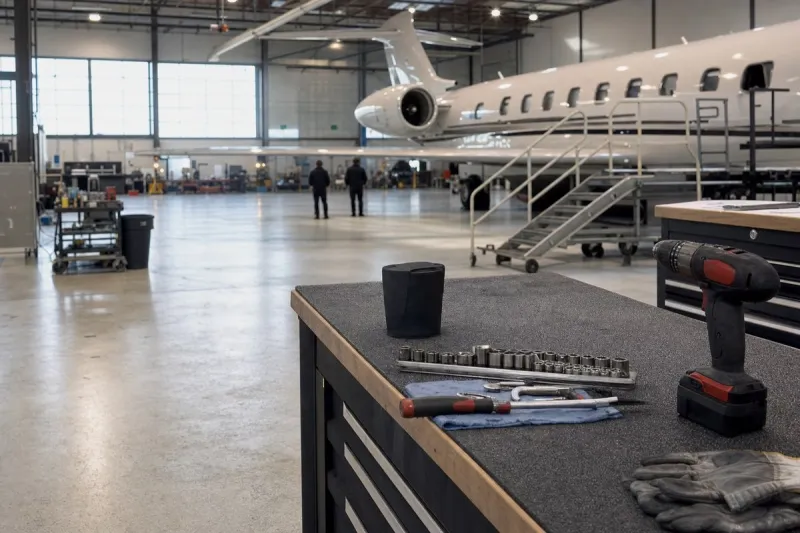
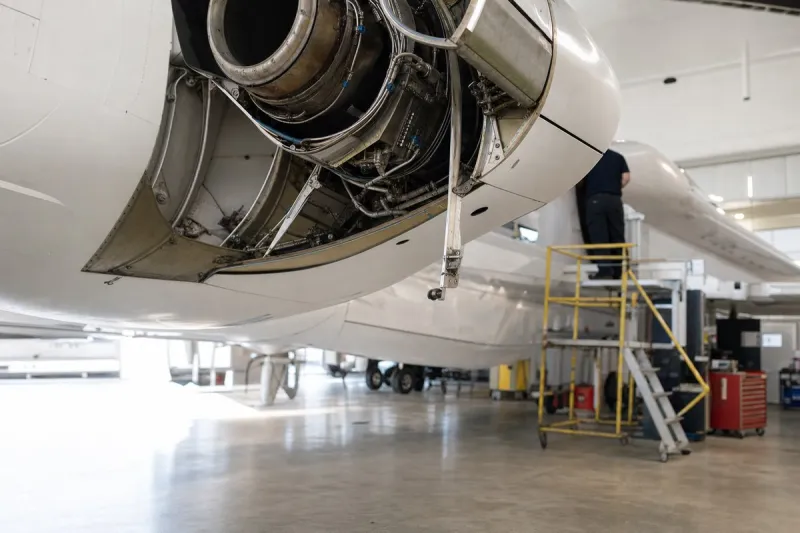
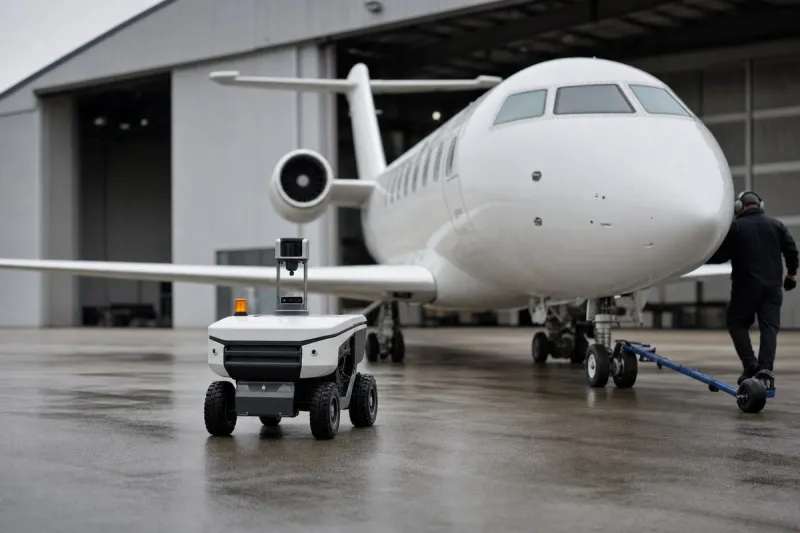
Predictive maintenance from GE Aerospace, Lufthansa Technik, and ST Engineering is cutting unscheduled repairs by 30% to 40%, alongside emerging technologies such as AI-powered digital twins, agentic AI for supply chain optimization, computer vision-driven non-destructive testing, and AI-augmented robotics for composite assembly. Alphabet, Amazon, Meta Platforms, and Microsoft are projected to collectively invest about $650 billion expanding global AI infrastructure, while sector-specific deals include Dassault Aviation leading a $200 million round in Harmattan AI, Singapore's Economic Development Board securing $591 million in MRO investments anchored by Collins Aerospace, Rolls-Royce, and Safran, and Azul Airlines securing $850 million for machine learning-driven maintenance optimization.
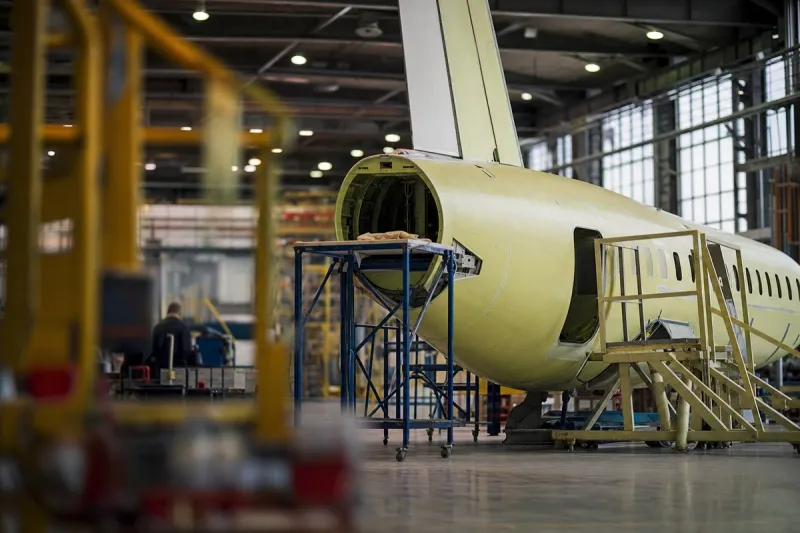
Record aircraft production backlogs are pushing Airbus and Boeing toward thermoplastic composites and automated processes targeting up to 100 aircraft per month. The report names Airbus, GE Aerospace, Hexcel, PhysicsX, and QuesTek Innovations among firms best positioned to capture value from AI-accelerated materials development, and notes AI-led optimization is enhancing advanced aluminum recycling, which already saves about 95% of the energy needed for virgin production.