EHang Launches Global Fast Track Program to Deploy Pilotless eVTOL Aircraft in International Markets, Starting with Sri Lanka
Why It MattersLetting regulators validate an already-certified aircraft rather than build a certification process from scratch could compress the timeline other countries need to authorize pilotless air taxi operations.
What happened
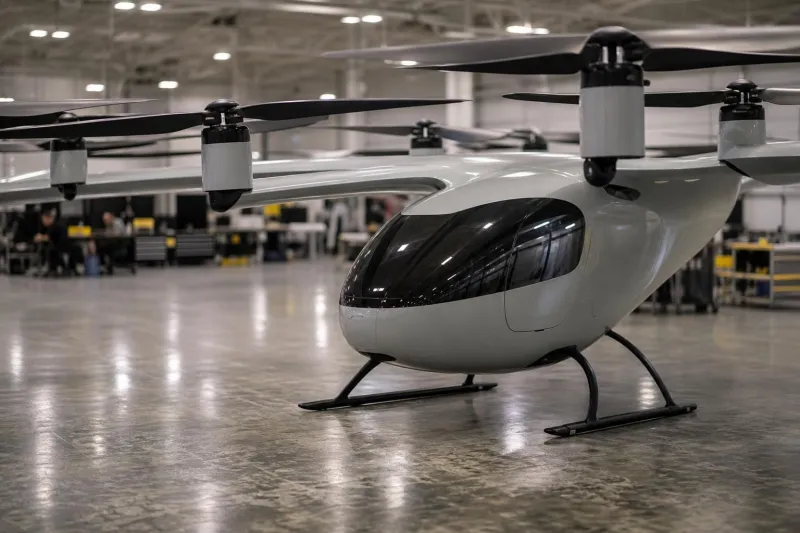
EHang Holdings, a Guangzhou-based advanced air mobility company, announced on Wednesday the launch of its global fast track program, aimed at accelerating the assessment and introduction of pilotless electric vertical takeoff and landing aircraft operations in international markets.
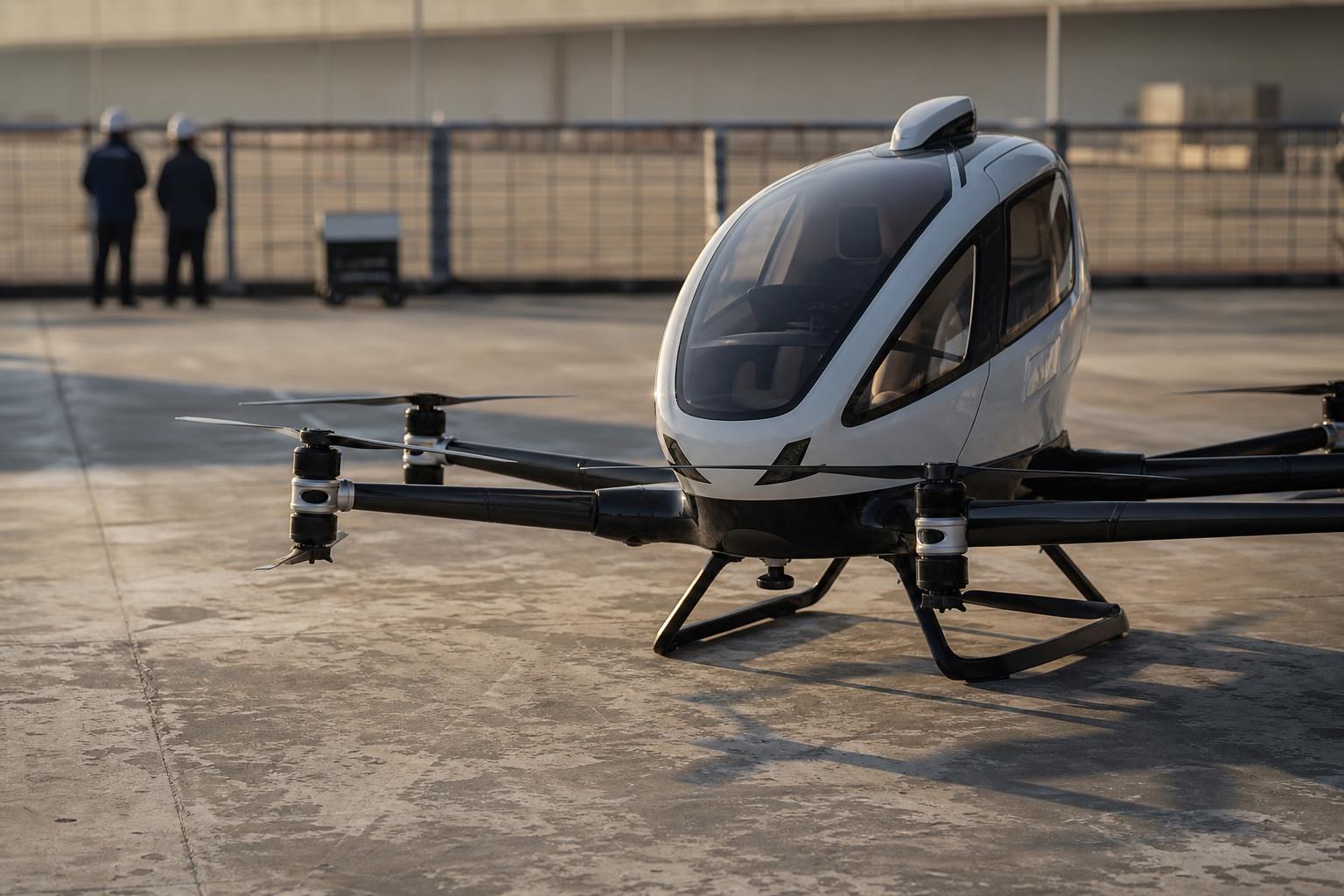
The program covers infrastructure and ground operation systems, validation flights, and commercial flights, allowing authorities to move from validation to commercialization using already-certified aircraft. Sri Lanka is the inaugural market, with the country's ports and civil aviation authorities adopting the program; initial commercialization there is expected within four months, subject to the completion of mandatory regulatory, technical, operational, and safety assessments.
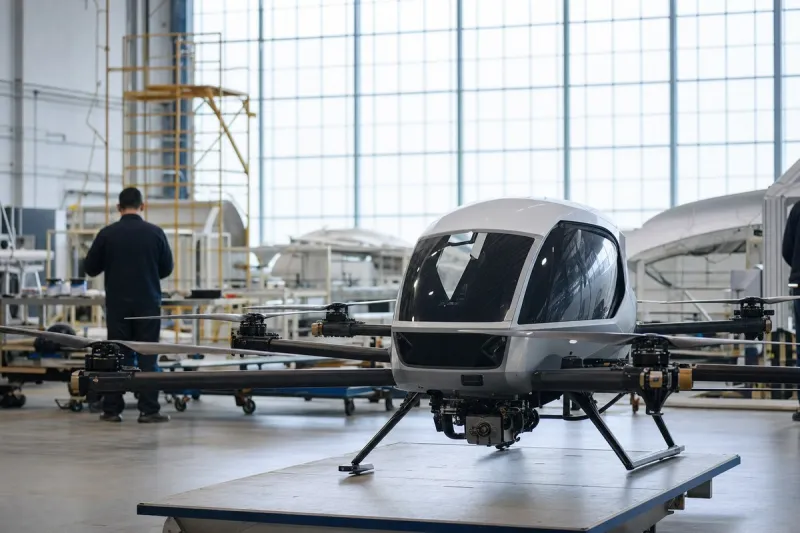
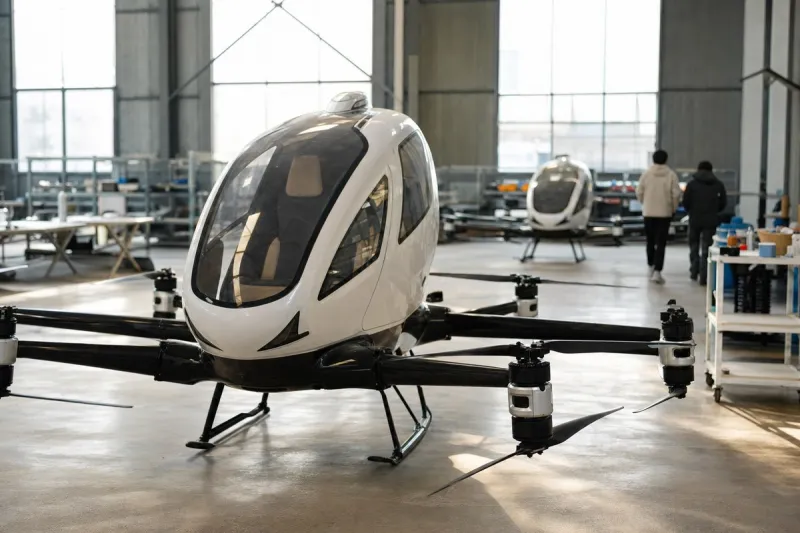
Hu Huazhi, founder, chairman and CEO of EHang, said the program, known internally as the sandbox model, allows civil aviation authorities to validate an already-certified aircraft rather than start from scratch. He said this turns regulatory exploration into actionable progress more effectively. EHang plans to expand the program to other markets where it has been in active dialogue with civil aviation authorities. The company's flagship model, the EH216-S, holds the world's first type certificate, production certificate, and standard airworthiness certificate for a pilotless eVTOL aircraft, all issued by the Civil Aviation Administration of China.
Industry impact & what to watch
This case sits inside a broader push by eVTOL makers to convert a single home-market certification into a template other regulators can reuse, rather than requiring each country to run its own ground-up airworthiness review. EHang is positioning its Chinese certificates for the EH216-S as the asset that lets Sri Lankan authorities skip straight to validation and operational assessment.
How fast that actually works depends on whether Sri Lanka's ports and civil aviation authorities can complete the mandatory regulatory, technical, operational, and safety assessments inside the stated four-month window, since none of those steps has been reported as finished. The sandbox structure only shortens the calendar if the validation flights and ground-operation checks clear without added conditions.
The next marker is whether Sri Lanka reaches commercialization on the stated timeline, since that outcome would be the first real test of whether the fast track program shortens approval elsewhere. EHang's own next move, expanding into the other markets it says it is in dialogue with, will likely wait on that result.