Broken Arrow, Oklahoma Seeks Consultant to Study Feasibility of New General Aviation Airport
Why It MattersHangar shortages in growing metro areas can push based aircraft to airports states away long before a city commits to building new general aviation capacity.
What happened
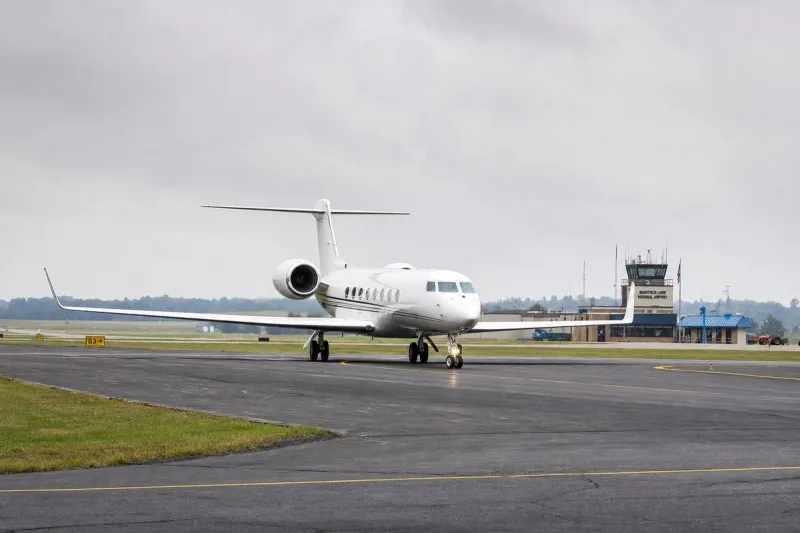
The city of Broken Arrow, Oklahoma, is soliciting a consulting firm to conduct a feasibility study for a new general aviation airport. The city issued a request for qualifications in July, with responses due August 27, and expects to select a consultant as early as September.
The proposed study, estimated to cost approximately $150,000, would analyze aviation demand, operational needs, economic impact, regulatory requirements, potential site locations, environmental considerations, and possible federal grant funding. No specific site has been selected. City officials have described the concept as a municipal airport serving private and corporate aircraft, not scheduled airline service.
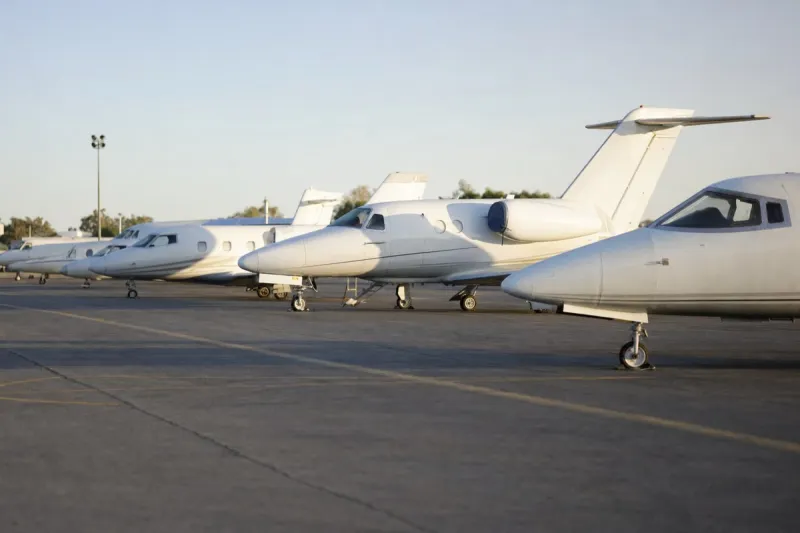
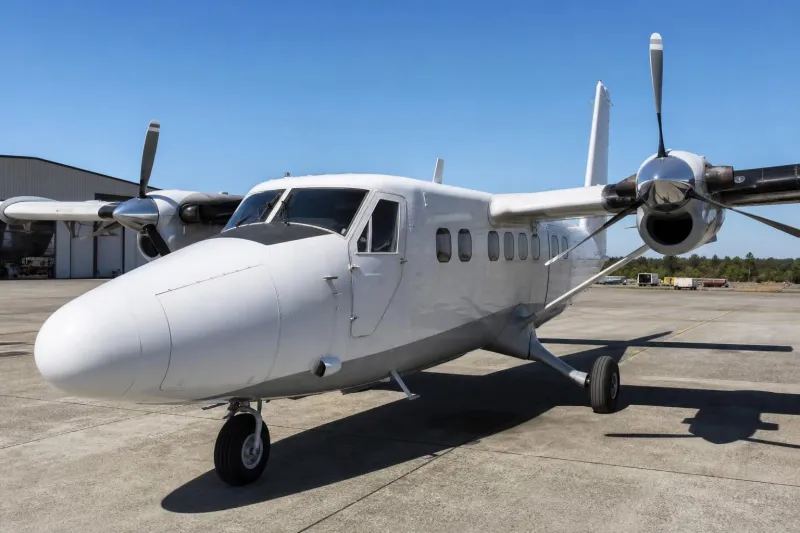
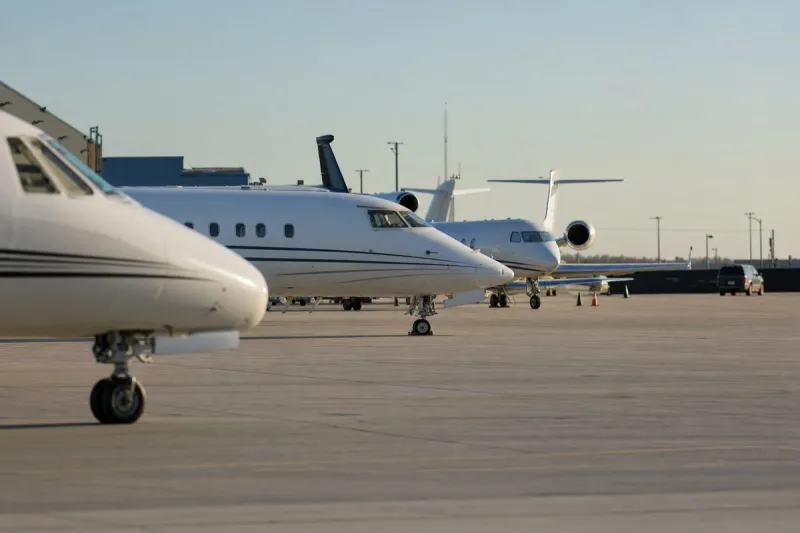
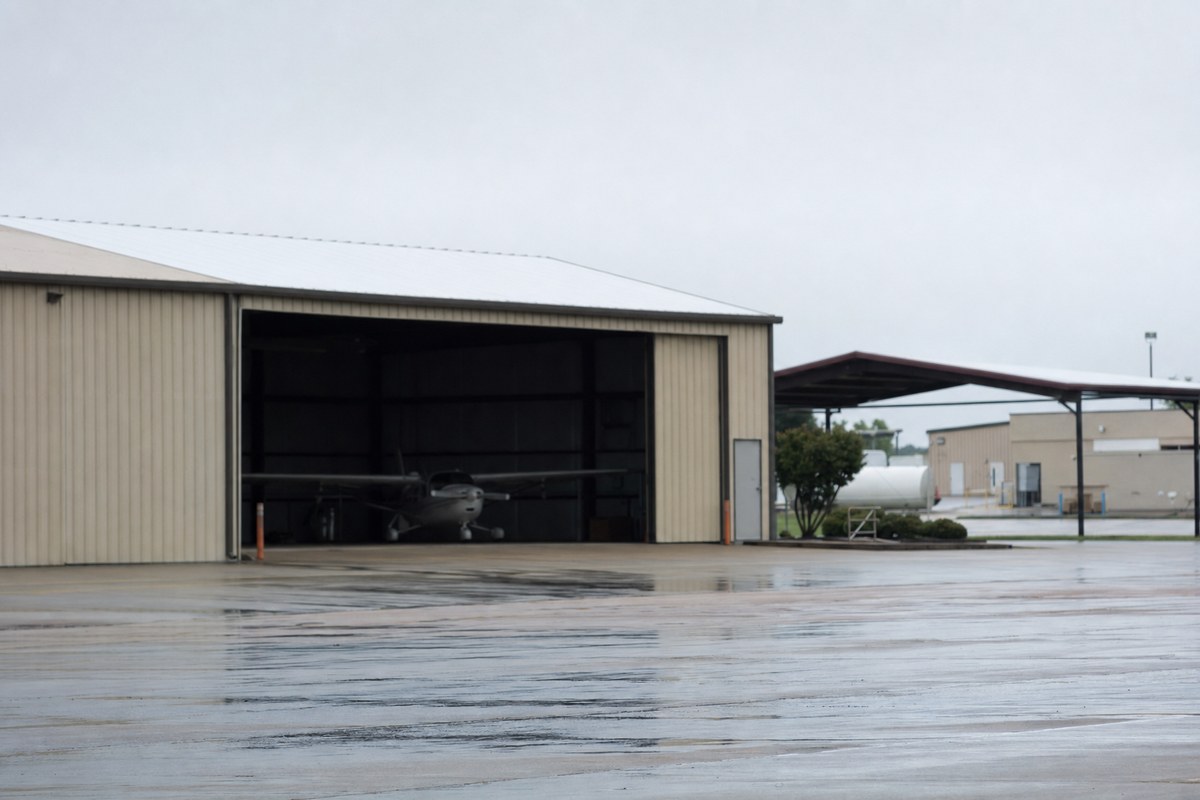
Local business owners and pilots have questioned why a city of Broken Arrow's size lacks an airport. Some pilots are storing aircraft as far away as Northwest Arkansas due to a shortage of hangar space at closer facilities. The resulting analysis is expected to take 12 to 18 months to complete. Local opposition has already emerged, though city officials have emphasized that the study does not authorize airport construction.
Even if the study recommends proceeding, the project would still require additional planning, environmental review, financing, and regulatory approvals, with construction likely at least a decade away. Broken Arrow previously studied the possibility of a municipal airport in the 1980s. That study found an airport to be feasible, but the areas considered at the time have since been developed.
Industry impact & what to watch
This case shows how base capacity for general aviation lags behind local growth: a city can reach a size where owners and pilots want hangar space years before any land is set aside to provide it. The gap gets filled informally in the meantime, with aircraft parked at whatever airport has room, even if that means a location in another state.
Feasibility studies of this kind work through demand, siting, environmental and funding questions before any land use decision is made, and a favorable finding is only the first of many gates: planning, environmental review, financing and regulatory approval all still have to follow, which is why officials are already framing construction as roughly a decade out even in the best case. The city's own 1980s study, which found an airport feasible only to see the sites it considered built over before anything moved forward, is the clearest evidence that a positive study result does not by itself secure land.
What happens now depends on who responds to the request for qualifications by August 27 and whether a consultant is chosen in September as planned. The next dated marker worth watching is the completion of the 12-to-18-month study itself, and separately, whether the city can identify and hold a site before development claims it the way it did in the 1980s.